
China's Electric Vehicle Dominance: 6.2 Million Cars Exported in 8 Months Led by BYD and Tesla
China exported 6.2 million passenger vehicles in the first 8 months of 2026, surpassing its total exports for all of 2025. BYD and Tesla lead this overseas expansion while the domestic market suffers a bloody price war due to production capacity exceeding 40 million vehicles annually. Chinese companies target global markets with higher profit margins reaching 20%, focusing on the Middle East and Africa after the US imposed 100% tariffs.
China achieved a historic milestone in the global automotive market, exporting 6.2 million passenger vehicles in the first 8 months of 2026, surpassing its total exports for all of 2025. This record-breaking figure reveals a strategic shift in China's auto industry, with BYD and Tesla leading this overseas expansion while the domestic market faces immense pressure.
Bloody Price War in the World's Largest Auto Market
The reason is straightforward. China's production capacity exceeds 40 million vehicles annually, while consumer purchasing power has declined due to the real estate crisis and economic slowdown. This gap between supply and demand ignited an unprecedented discount war since 2023, when BYD slashed prices by 20%, forcing Tesla to respond similarly. More than 100 domestic brands found themselves forced into a battle with no winners. Profit margins on some models collapsed to less than 2%.
Why Manufacturers Are Fleeing Overseas
Three reasons drive Chinese companies to export. First, higher profit margins — a car sold in Shanghai at 3% margin achieves 15% to 20% in Brazil or Australia. Second, disposing of massive production surplus. CAAM data revealed a 67.1% jump in August exports alone, reaching 890,000 vehicles. Third, building a global brand — in Australia, Chinese brands now represent a third of the market thanks to improved quality and design.
Chinese consumers are postponing purchases, waiting for newer and cheaper models launching in 6 months. The rapid introduction of government-supported electric and plug-in hybrid vehicles has made gasoline cars a depreciating commodity overnight. This situation pushes manufacturers to seek foreign markets that can absorb their production capacity.
Electric and Hybrid Vehicles Lead China's Global Offensive
An InsideEVs report confirmed that electric vehicles and hybrids spearhead this offensive across Europe, Latin America, and Southeast Asia. In Brazil and Australia, Chinese models achieve strong sales thanks to competitive pricing and advanced technology. BYD and Geely are no longer just cheap cars — they've become genuine competitors to traditional brands in global markets.
Trade Barriers.. But China Innovates Solutions
The road ahead isn't paved with roses. The United States imposed 100% tariffs on Chinese cars. The European Union is studying restrictions on plug-in hybrids. But China circumvented these barriers and opened new markets in the Middle East and Africa. These emerging markets provide alternative outlets for disposing massive production, with potential for lucrative profit margins.
What This Means for the Future of the Auto Industry
China's transformation from a struggling domestic market to the world's largest exporter of electric and hybrid vehicles is redrawing the global industry map. As BYD continues its overseas expansion, traditional brands face unprecedented competition in their home markets. The final outcome will depend on Chinese companies' ability to maintain competitive offerings despite increasing trade barriers.
Frequently Asked Questions
3 questions answered
Related News
View All News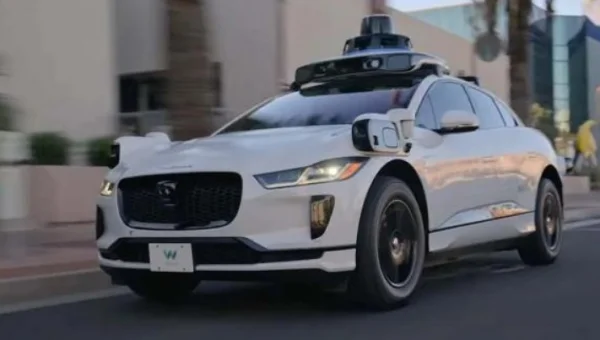
Waymo Targets First Commercial Robotaxi Service in Japan by 2027
Waymo aims to launch Japan's first fully commercial robotaxi service in Tokyo by 2027 in partnership with GO and Nihon Kotsu. The service will be driverless from day one, starting…
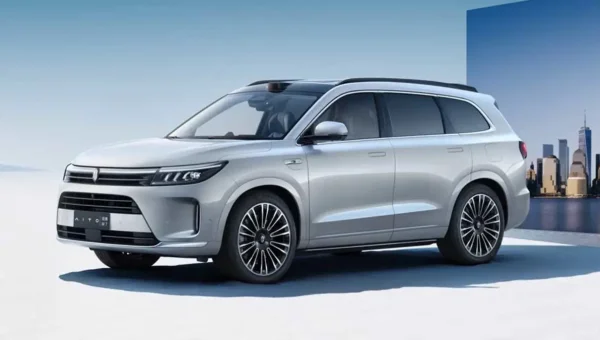
Chinese Li Auto Invades Europe: New Electric Li 6 to Rival Tesla and BMW at Paris Motor Show
Chinese automaker Li Auto has announced it is accelerating its global expansion plan and will unveil the European version of its Li 6 electric vehicle at the Paris Motor Show…

Ford Maverick: From a Texas Cow to a Car Young People Avoid
The Ford Maverick name goes back to Samuel A. Maverick, a Texas businessman in the 1840s known for letting his cattle roam without branding. In April 1969, the first Ford…
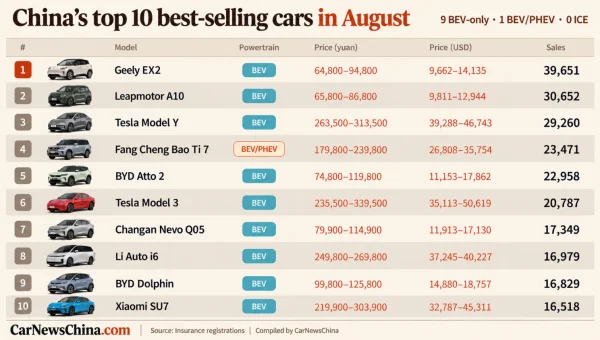
China August Sales: EVs Dominate Top 20 as Geely EX2 Leads
Electric vehicles swept nine of the top ten spots in China's August passenger car sales rankings, with the Geely EX2 leading at 39,651 units. The Toyota Corolla Cross was the…

"Rox" Begins Producing Rox Adamas in Abu Dhabi with "Made in UAE" Label
Rox has started local production of Rox Adamas vehicles in Abu Dhabi, with the first 3 units rolling off the line bearing the 'Made in UAE' label. The move follows…