Waymo Targets First Commercial Robotaxi Service in Japan by 2027
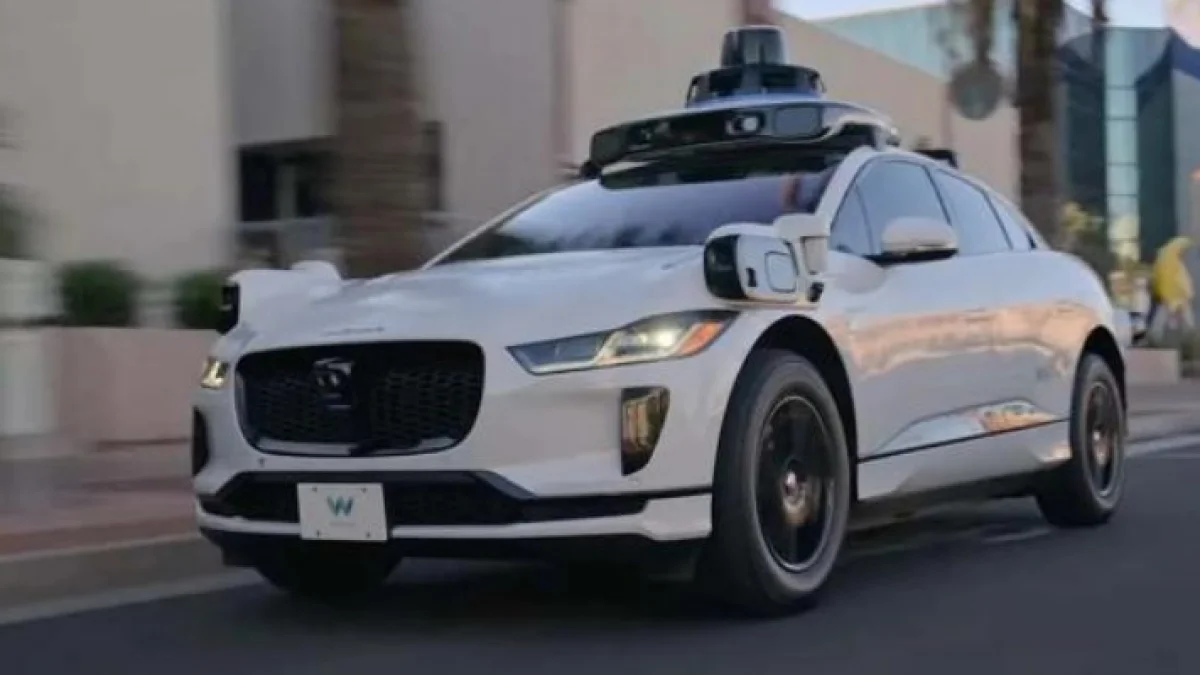
Waymo aims to launch Japan's first fully commercial robotaxi service in Tokyo by 2027 in partnership with GO and Nihon Kotsu. The service will be driverless from day one, starting with a small fleet that will gradually expand to around 100 vehicles. Waymo began collecting data in Tokyo in 2025 using Jaguar I-PACE cars. The project targets Japan's growing driver shortage.
Waymo, Alphabet's self-driving unit, aims to launch Japan's first fully commercial robotaxi service in Tokyo by 2027. The plan is a partnership with Japanese taxi app operator GO and Nihon Kotsu. The service will operate without drivers once regulatory approvals are secured.
Fleet Starts Small, Scales to 100 Vehicles
The three companies plan to begin with a small fleet of vehicles. From there, they will gradually expand to around 100 cars across several key wards of the Japanese capital. This expansion depends on completing verification of Waymo technology and the service operating model, alongside obtaining regulatory approvals.
Booking Rides Through Mobile Apps
Once approvals are complete and the system is confirmed ready, customers will be able to book rides through the GO and Waymo apps. Tekedra Mawakana, co-CEO of Waymo, said at a joint press conference in Tokyo that the service will be "driverless for the public from day one." She stressed that the company will expand the fleet gradually and responsibly until anyone in Tokyo can use the app and request a ride.
Waymo Strengthens Its Japan Presence
This project marks the latest step in Waymo's expansion strategy within Japan. The company began collecting data in Tokyo during 2025 using Jaguar I-PACE vehicles driven by humans. Those were its first public operations on roads outside the United States. The initial trials helped Waymo understand Japanese driving behavior and the challenges of Tokyo's roads.
Betting on Solving Driver Shortages
The three companies are betting that robotaxis can help address Japan's growing shortage of drivers. Challenges linked to population decline are increasing pressure on the transportation sector. Services like this could offer a practical solution for maintaining mobility in major cities. The business model relies on reducing dependence on human labor while maintaining service levels.
The move reflects a broader shift in the global transportation industry. Waymo is positioning itself ahead in the Asian market. But success depends on the company's ability to meet Japan's strict regulatory requirements. The 2027 timeline gives the team enough time to test and refine the system before full commercial launch.
Frequently Asked Questions
3 questions answered
Related News
View All News
China's Electric Vehicle Dominance: 6.2 Million Cars Exported in 8 Months Led by BYD and Tesla
China exported 6.2 million passenger vehicles in the first 8 months of 2026, surpassing its total exports for all of 2025. BYD and Tesla lead this overseas expansion while the…
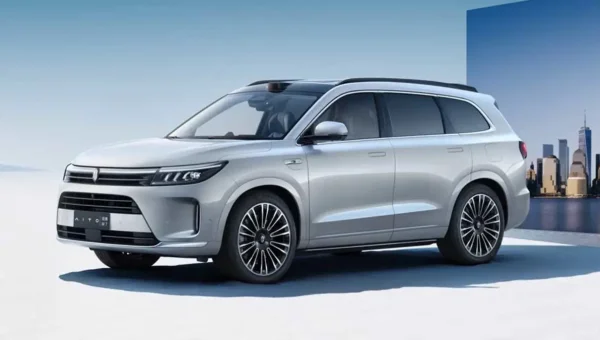
Chinese Li Auto Invades Europe: New Electric Li 6 to Rival Tesla and BMW at Paris Motor Show
Chinese automaker Li Auto has announced it is accelerating its global expansion plan and will unveil the European version of its Li 6 electric vehicle at the Paris Motor Show…

Ford Maverick: From a Texas Cow to a Car Young People Avoid
The Ford Maverick name goes back to Samuel A. Maverick, a Texas businessman in the 1840s known for letting his cattle roam without branding. In April 1969, the first Ford…
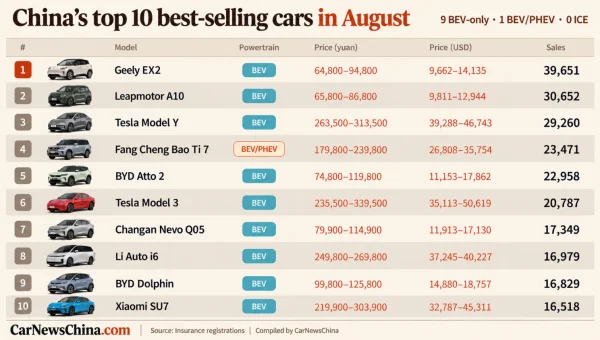
China August Sales: EVs Dominate Top 20 as Geely EX2 Leads
Electric vehicles swept nine of the top ten spots in China's August passenger car sales rankings, with the Geely EX2 leading at 39,651 units. The Toyota Corolla Cross was the…

"Rox" Begins Producing Rox Adamas in Abu Dhabi with "Made in UAE" Label
Rox has started local production of Rox Adamas vehicles in Abu Dhabi, with the first 3 units rolling off the line bearing the 'Made in UAE' label. The move follows…