Ford Maverick: From a Texas Cow to a Car Young People Avoid
The Ford Maverick name goes back to Samuel A. Maverick, a Texas businessman in the 1840s known for letting his cattle roam without branding. In April 1969, the first Ford Maverick debuted and sold 127,883 units in its first year, beating Mustang's comparable launch. After the four-door version arrived in 1971, sales surpassed two million vehicles in North America. The name was later used in Australia in 1988 on a Nissan Patrol-based version, and recently returned on a compact pickup aimed at young buyers.
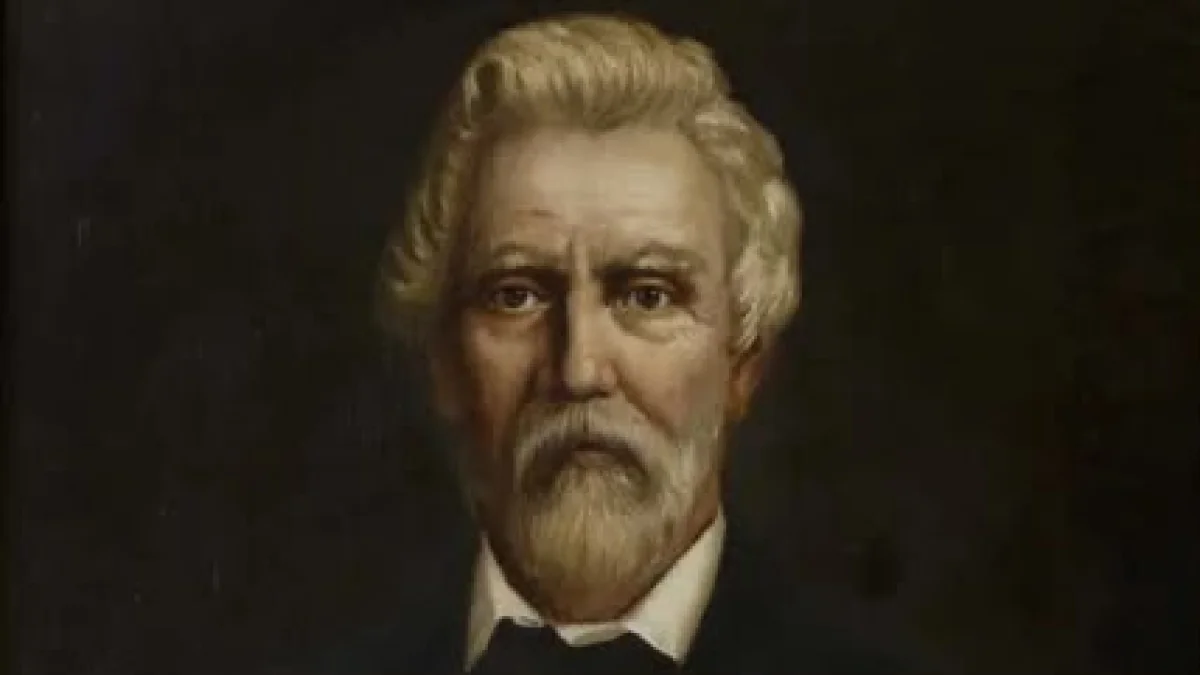
The Ford Maverick name traces back to Texas, where Samuel A. Maverick lived in the 1840s and became famous for letting his cattle roam without branding them. He refused to even put his own mark on his herd. That strange refusal gave the word 'Maverick' its meaning of independence and nonconformity — exactly what Ford later wanted for a car aimed at a new generation of young buyers.
How a Rancher's Name Became a Marketing Icon for Ford
By the late 1960s, Lee Iacocca, then Ford's executive vice president, was pushing to develop a small, affordable car to compete with cheap imports gaining popularity in the U.S. market. Ford needed a name that carried a spirit of rebellion and freedom. It already had names tied to farms and the American West like Mustang, Pinto, and Bronco. Maverick seemed perfect — a car for young people, free and unconventional, just like the unbranded cattle.
The First Ford Maverick and Its Sales Numbers
In April 1969, the first Ford Maverick officially debuted. It sold 127,883 units in its first year. That figure beat Mustang's sales during its comparable first launch period in 1964 by more than a thousand cars. A small, cheap, youthful car — that was Ford's bet. The bet paid off. After the four-door version arrived in 1971, Maverick sales surpassed two million vehicles in North America, not counting its Mercury Comet sibling. A marketing achievement by any measure, especially since the car targeted a completely new demographic for Ford.
One Name... Four Different Cars Across Decades
The name's journey didn't stop with the original car. In 1988, Ford revived it in Australia on a version based on the Nissan Patrol, produced until 1994. The Australian car was completely different from the original — bigger, more powerful. Aimed at a different market. This hopping between markets and platforms proves the Maverick name was always flexible and open to reinterpretation. But was this strategic or just exploiting a successful name?
The Modern Return: Maverick as a Compact Pickup
In the current decade, the Maverick name returned on a compact pickup aimed at young buyers once again. The new car carries the same rebellious spirit — small, practical, and cheaper than traditional trucks. Ford bet that millennials want a small truck they can use daily without high operating costs. The modern Maverick isn't just a car; it's an extension of a story over 150 years old that began with a runaway cow in Texas. From a rancher who refused to brand his cattle, to a youthful car that rejects convention — the name itself carries a story that hasn't changed.
Frequently Asked Questions
3 questions answered
Related News
View All News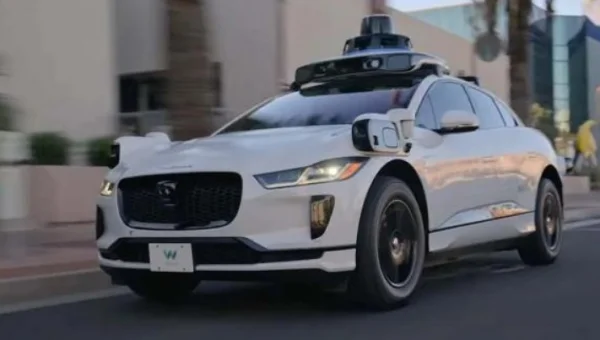
Waymo Targets First Commercial Robotaxi Service in Japan by 2027
Waymo aims to launch Japan's first fully commercial robotaxi service in Tokyo by 2027 in partnership with GO and Nihon Kotsu. The service will be driverless from day one, starting…

China's Electric Vehicle Dominance: 6.2 Million Cars Exported in 8 Months Led by BYD and Tesla
China exported 6.2 million passenger vehicles in the first 8 months of 2026, surpassing its total exports for all of 2025. BYD and Tesla lead this overseas expansion while the…
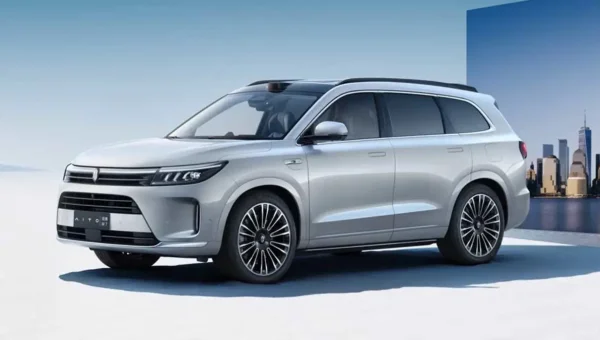
Chinese Li Auto Invades Europe: New Electric Li 6 to Rival Tesla and BMW at Paris Motor Show
Chinese automaker Li Auto has announced it is accelerating its global expansion plan and will unveil the European version of its Li 6 electric vehicle at the Paris Motor Show…
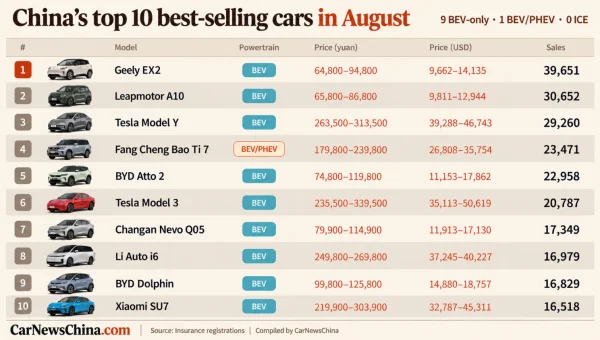
China August Sales: EVs Dominate Top 20 as Geely EX2 Leads
Electric vehicles swept nine of the top ten spots in China's August passenger car sales rankings, with the Geely EX2 leading at 39,651 units. The Toyota Corolla Cross was the…

"Rox" Begins Producing Rox Adamas in Abu Dhabi with "Made in UAE" Label
Rox has started local production of Rox Adamas vehicles in Abu Dhabi, with the first 3 units rolling off the line bearing the 'Made in UAE' label. The move follows…