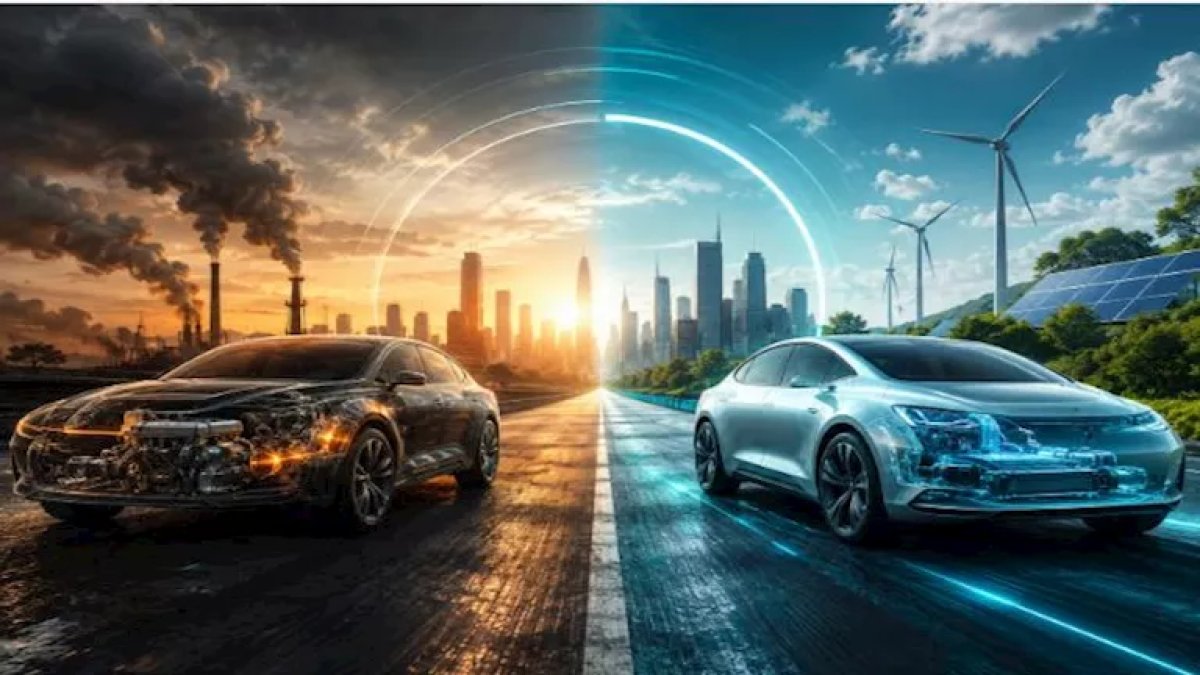
From DMi to REEV: Are Hybrid and Electric Vehicles Accelerating the Shift Away from Gasoline?
The global automotive industry is undergoing a significant transformation as hybrid and electric vehicles continue to gain momentum, while traditional gasoline-powered engines face a gradual decline in interest. Stricter emissions regulations, rising fuel prices, and ongoing advances in battery technology and modern powertrain systems are driving this transition.
This trend is no longer limited to European and Chinese markets. It has expanded strongly into emerging markets, including Egypt, where several new models equipped with advanced technologies such as DMi and REEV have recently been introduced, combining fuel efficiency with extended driving range.
Fuel Costs and Environmental Goals Drive Change
Automotive industry experts believe that increasing operating costs and environmental pressures are among the key factors encouraging global manufacturers to invest heavily in next-generation propulsion technologies.
Governments worldwide are also pursuing lower transportation-related carbon emissions, prompting automakers to develop vehicles that consume less fuel and deliver higher efficiency than conventional internal combustion engines.
DMi Technology: Lower Consumption, Longer Range
Developed by BYD, DMi is one of the leading plug-in hybrid powertrain systems. It relies primarily on the electric motor for everyday driving, while the gasoline engine serves as an additional power source when required.
The technology delivers exceptionally low fuel consumption compared with conventional vehicles and allows drivers to travel hundreds of kilometers without frequent stops for refueling or battery charging.
REEV: Electric Driving Without Charging Anxiety
REEV, or Range-Extended Electric Vehicle technology, takes a different approach by powering the wheels entirely through an electric motor, while the gasoline engine functions solely as a generator to recharge the battery during operation.
This setup provides a fully electric driving experience while reducing concerns related to battery depletion and limited charging infrastructure, contributing to the growing popularity of this vehicle category in multiple markets.
Related News
View All News
Renault Invests Over €10 Billion to Challenge Chinese EVs with Affordable Electric Cars
Renault Group will invest more than €10 billion in France over the next five years, following €13 billion spent since 2021 on its electric shift. The goal is to lower…
Tesla Accelerates Cybercab Rollout Without Steering Wheel Amid US Probe Into 1,000 Vehicles
Tesla has started operating more than 40 Cybercab vehicles in its Robotaxi service in Austin, Texas, after completing engineering tests in 2026. The two-seat vehicle has no steering wheel or…
Volkswagen's MEB Platform in China: How the Electric Car Landscape Is Being Reshaped
Volkswagen has announced the localization of its MEB electric platform in China through a partnership with Xiaomi. The platform supports models like the ID.4 and SU7 and is key to…
China's Battery Tax Puts Chinese EV Prices to a New Test
China began applying a 2% consumption tax on lithium-ion batteries on September 1, 2026, set to rise to 4% in September 2027, ending an exemption in place since 2015. The…
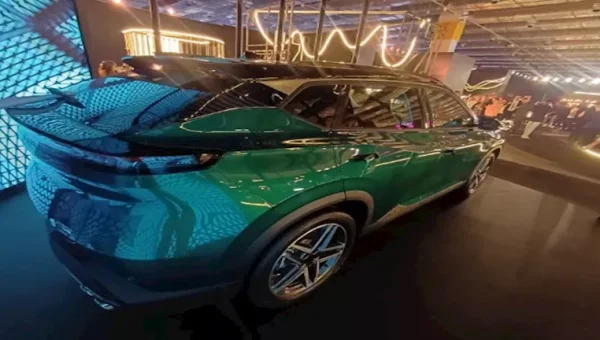
Dongfeng MAGE EV Set to Launch in Egypt as First Locally Assembled Electric SUV
SN Automotive is set to launch the Dongfeng MAGE EV in Egypt within days, marking the first locally assembled electric SUV in the country. The vehicle is built at El…