Home EV Charging Losses: The Hidden Cost Draining Your Wallet and How to Stop It
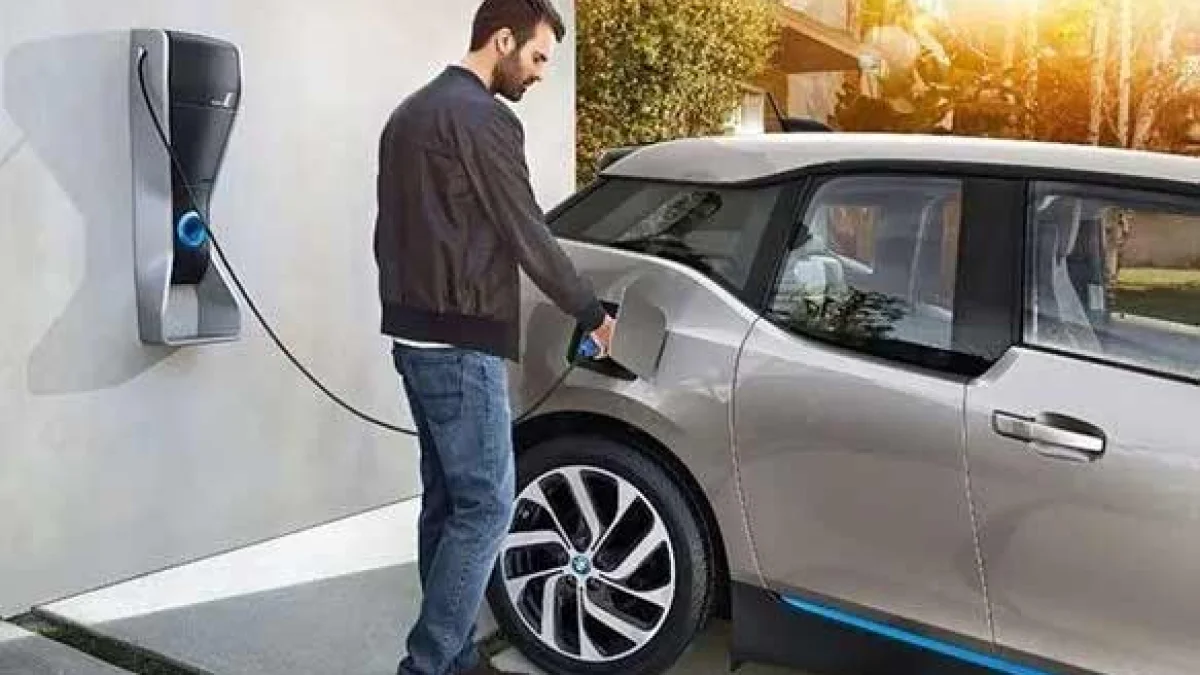
New ADAC tests reveal that a significant portion of the electricity paid for during home EV charging never reaches the battery. Charging losses range from 6% to 24% depending on the vehicle and charger type. Using an 11 kW home charger dramatically reduces losses. The Tesla Model Y showed the lowest losses, while the Mercedes CLA 350 had the highest with a portable charger.
Home charging remains the most economical option for electric vehicle owners, but a portion of the electricity you pay for never actually reaches the battery. When your home meter registers 30 kWh consumed, the car might only show 27 kWh received. That gap is called "charging loss," and new tests from Germany's ADAC automobile club reveal just how much money evaporates in the process.
What Causes Charging Loss and Why Does It Matter?
Both numbers are technically correct, yet the owner pays for the full 30 kWh regardless. The loss happens during the conversion from AC to DC power inside the car's onboard charger, with heat generated along the way. Different electric vehicles show wildly different loss rates, a fact that escapes most drivers until they see the bill.
Higher-Powered Chargers Deliver Bigger Savings
ADAC tested five electric vehicles to measure AC charging losses using three different power levels: a portable charger at 2.3 kW, a solar-simulation setup at 4.1 kW, and a high-capacity home wallbox at 11 or 22 kW. The test fleet included the Mercedes CLA 350 with EQ Technology, Renault 5 E-Tech, Tesla Model Y, Volvo EX30, and Volkswagen ID.7.
The results were surprising even for industry insiders. The Tesla Model Y recorded the lowest overall losses, dropping from 12.7% with the 2.3 kW portable unit to just 6.1% with an 11 kW home charger. A dramatic improvement that translates directly into lower electricity bills.
The opposite was true for the Mercedes CLA 350, which posted the highest loss figure of 24.2% using the portable charger, because the German brand limits the onboard charger to 8 amps in that configuration. Yet switching to an 11 kW wallbox slashed the loss to just 6.9%. A stunning turnaround that proves hardware choices matter immensely.
Practical Steps to Cut Your Charging Losses
The takeaway is clear: investing in a higher-capacity home charger (11 kW or above) cuts energy loss considerably and saves money over the long run. Experts also recommend charging when the battery level is moderately low, since losses spike during the final charging stages. Choosing the right charger isn't a luxury — it's a financially smart decision for every EV owner.
Frequently Asked Questions
3 questions answered
Related News
View All News
Cheapest 7 European Electric Cars in Egypt: Prices and Specs
The Smart 1 leads the list of the cheapest European electric cars in Egypt, a joint venture between Mercedes-Benz and Geely. It comes in four trims, with power from 272…
Renault Invests Over €10 Billion to Challenge Chinese EVs with Affordable Electric Cars
Renault Group will invest more than €10 billion in France over the next five years, following €13 billion spent since 2021 on its electric shift. The goal is to lower…
Tesla Accelerates Cybercab Rollout Without Steering Wheel Amid US Probe Into 1,000 Vehicles
Tesla has started operating more than 40 Cybercab vehicles in its Robotaxi service in Austin, Texas, after completing engineering tests in 2026. The two-seat vehicle has no steering wheel or…
Volkswagen's MEB Platform in China: How the Electric Car Landscape Is Being Reshaped
Volkswagen has announced the localization of its MEB electric platform in China through a partnership with Xiaomi. The platform supports models like the ID.4 and SU7 and is key to…
China's Battery Tax Puts Chinese EV Prices to a New Test
China began applying a 2% consumption tax on lithium-ion batteries on September 1, 2026, set to rise to 4% in September 2027, ending an exemption in place since 2015. The…