Egypt's Renewable Energy Push: The Road to an EV Revolution and a Powerful Charging Network
Egypt is executing a massive renewable energy program that will power the country's electric vehicle future. The Obelisk solar plant alone delivers 1000 MW with 200 MWh of storage, while Scatec's portfolio reaches 3100 MW plus 4000 MWh of batteries. This infrastructure will support thousands of future EV charging stations across the country. The Ras Shokeir wind farm (900 MW) and Minya solar plant (1700 MW) are key components of the strategy.
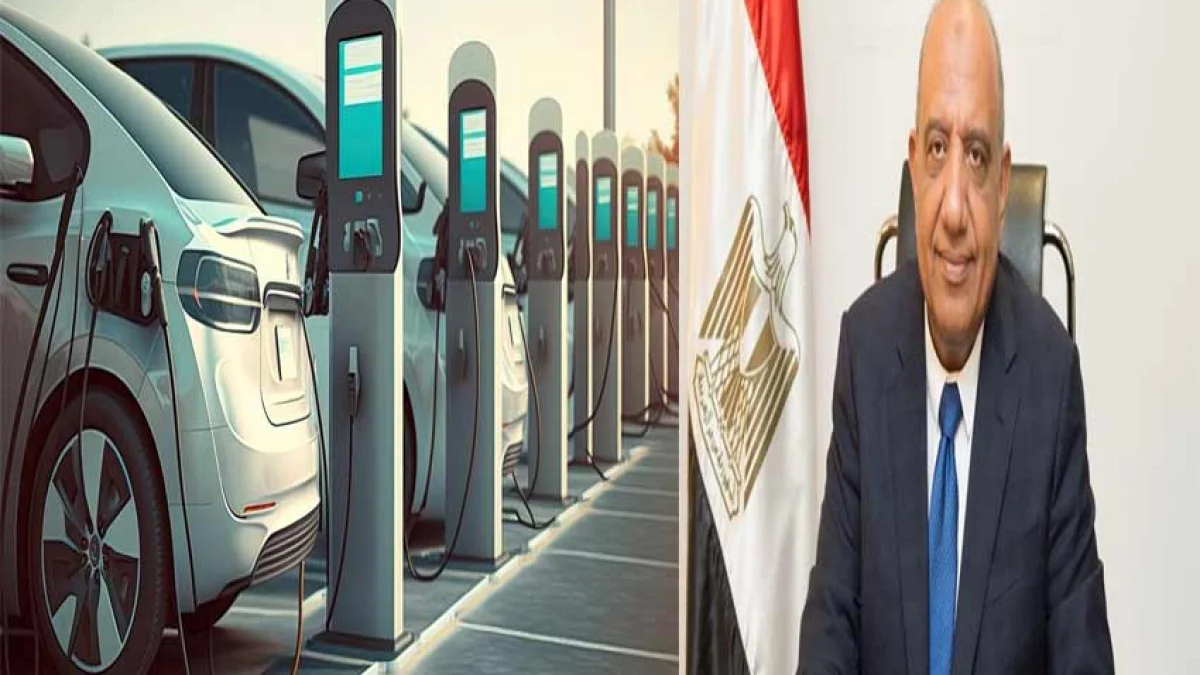
What does a solar farm in the desert have to do with the car you'll drive in 2027? Everything, as it turns out. Egypt's massive renewable energy projects are building the foundation for an electric vehicle revolution, creating the grid capacity needed to support thousands of future charging stations. The numbers being discussed now are staggering — over 3000 MW of new capacity plus 4000 MWh of battery storage.
Key Meeting in the New Administrative Capital Reviews Giant Solar and Wind Projects
Dr. Mahmoud Esmat, Egypt's Minister of Electricity and Renewable Energy, held a crucial meeting with representatives from Norway's Scatec company, led by regional director Mohamed Amer. The agenda was packed: execution rates for the country's largest solar and wind farms, plus cutting-edge electricity storage systems that will transform grid reliability. Decisions made here will shape Egypt's energy landscape for decades.
The flagship project is the Obelisk solar plant, delivering 1000 MW of clean power. Last week marked a major milestone when its second phase — 500 MW — was successfully connected to the national grid. The first phase of equal capacity came online earlier this year. This facility also features an integrated 200 MWh energy storage system, meaning clean electricity remains available long after sunset.
Strategic Plans for Wind and Solar Across Multiple Governorates
Beyond Obelisk, Scatec is executing a portfolio totaling 3100 MW of solar and wind capacity, paired with 4000 MWh of battery storage spread across the Red Sea, Qena, Minya, and Alexandria governorates. The Ras Shokeir wind farm will add 900 MW and is scheduled for grid connection in 2027, while a massive 1700 MW solar installation in Minya is also underway. These aren't incremental additions — they represent a fundamental shift.
The connection between this energy infrastructure and the future of electric vehicles can't be overstated. Every fast-charging station requires a stable, robust power source, and that's precisely what these projects deliver. The EV market in Egypt has been waiting for this moment — a grid that can actually handle mass adoption. Brands like BYD and other global manufacturers are closely watching these developments as they plan their market entry strategies.
The implications for the Egyptian consumer are clear. With grid stability improving over the next three years, range anxiety — the biggest psychological barrier to EV adoption — begins to fade. More charging stations will dot highways and urban centers, while the grid remains resilient. BYD Song Plus and similar models will soon have the infrastructure to match their capabilities. This isn't just an energy story — it's the prelude to a complete transformation of Egypt's automotive market.
Frequently Asked Questions
3 questions answered
Related News
View All News
Renault Invests Over €10 Billion to Challenge Chinese EVs with Affordable Electric Cars
Renault Group will invest more than €10 billion in France over the next five years, following €13 billion spent since 2021 on its electric shift. The goal is to lower…
Tesla Accelerates Cybercab Rollout Without Steering Wheel Amid US Probe Into 1,000 Vehicles
Tesla has started operating more than 40 Cybercab vehicles in its Robotaxi service in Austin, Texas, after completing engineering tests in 2026. The two-seat vehicle has no steering wheel or…
Volkswagen's MEB Platform in China: How the Electric Car Landscape Is Being Reshaped
Volkswagen has announced the localization of its MEB electric platform in China through a partnership with Xiaomi. The platform supports models like the ID.4 and SU7 and is key to…
China's Battery Tax Puts Chinese EV Prices to a New Test
China began applying a 2% consumption tax on lithium-ion batteries on September 1, 2026, set to rise to 4% in September 2027, ending an exemption in place since 2015. The…
Dongfeng MAGE EV Set to Launch in Egypt as First Locally Assembled Electric SUV
SN Automotive is set to launch the Dongfeng MAGE EV in Egypt within days, marking the first locally assembled electric SUV in the country. The vehicle is built at El…