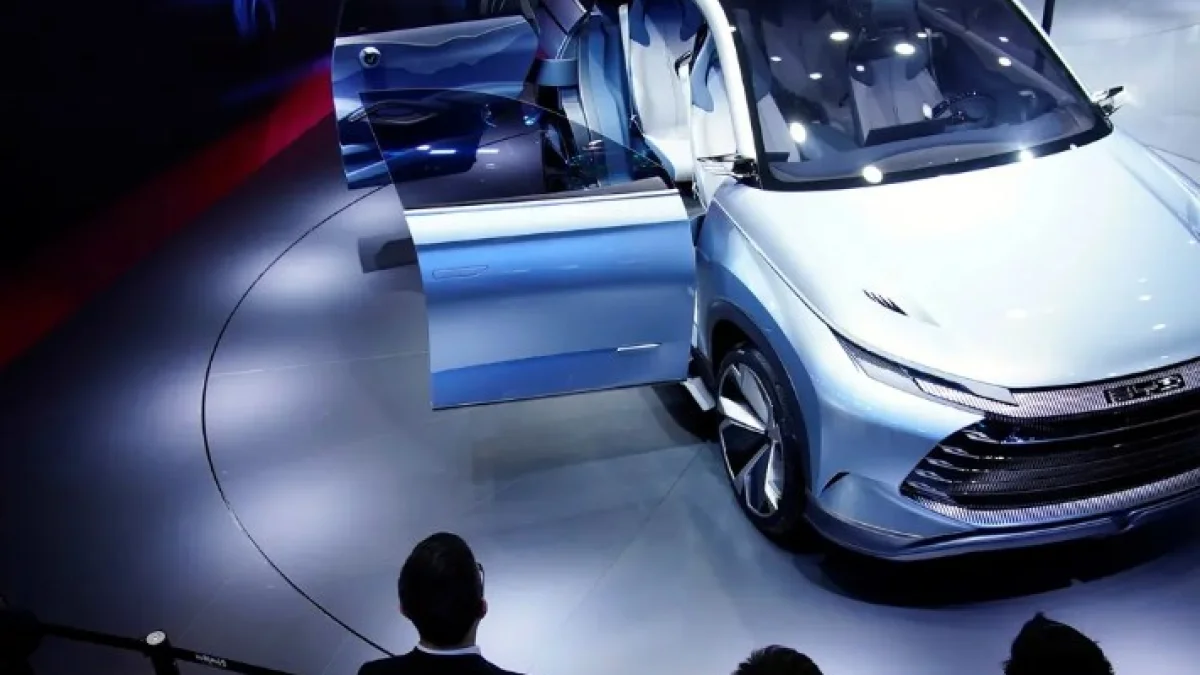
BYD Takes on Japan with Affordable Electric ‚Racco‘ Kei Car
The stakes are high. Chinese automaker BYD has officially launched its first electric Kei car in Japan, a compact model named Racco designed to crack one of the world's toughest markets for foreign brands. The move signals a major push into a segment that prizes affordability and practicality.
Pricing and Subsidies
Price matters. BYD set the Racco's starting price at 1.95 million yen before taxes and government incentives. After applying subsidies, buyers can get the base model for under 2 million yen — roughly $12,200. Analysts believe this price point could be a decisive factor for price-sensitive Japanese consumers navigating a volatile economy.
But Nissan's Sakura tells a different story. The Sakura remains the best-selling electric minivehicle in Japan and still undercuts the Racco after subsidies. Despite the Racco's lower base price, it qualifies for less government support, leaving the Nissan offering as the more affordable choice for buyers seeking maximum savings. The competition here is fierce.
Ambitious Sales Targets and Unique Features
10,000 orders by 2026. That's the target BYD has set for the Racco in Japan. Mizuho Bank researcher Tang Jin says the goal is ambitious. BYD may need to ramp up marketing or add features if demand stalls. Atsuki Tofukuji, head of BYD Auto Japan, explains that the target reflects confidence in the product rather than detailed market studies.
Tofukuji adds that just one order per dealer per day would be enough to hit the target. The Racco offers a driving range of 320 kilometers per charge and features sliding rear doors — a first for a Japanese electric minivehicle. That feature is a big draw for families and urban drivers. Analysts see the car as a smart bet on a segment where consumers care deeply about price and practicality.
Related News
View All News
Renault Invests Over €10 Billion to Challenge Chinese EVs with Affordable Electric Cars
Renault Group will invest more than €10 billion in France over the next five years, following €13 billion spent since 2021 on its electric shift. The goal is to lower…
Tesla Accelerates Cybercab Rollout Without Steering Wheel Amid US Probe Into 1,000 Vehicles
Tesla has started operating more than 40 Cybercab vehicles in its Robotaxi service in Austin, Texas, after completing engineering tests in 2026. The two-seat vehicle has no steering wheel or…
Volkswagen's MEB Platform in China: How the Electric Car Landscape Is Being Reshaped
Volkswagen has announced the localization of its MEB electric platform in China through a partnership with Xiaomi. The platform supports models like the ID.4 and SU7 and is key to…
China's Battery Tax Puts Chinese EV Prices to a New Test
China began applying a 2% consumption tax on lithium-ion batteries on September 1, 2026, set to rise to 4% in September 2027, ending an exemption in place since 2015. The…
Dongfeng MAGE EV Set to Launch in Egypt as First Locally Assembled Electric SUV
SN Automotive is set to launch the Dongfeng MAGE EV in Egypt within days, marking the first locally assembled electric SUV in the country. The vehicle is built at El…