
EU Pressures China to Curb Hybrid Car Exports to 15% of Its Market
The European Union has asked China to voluntarily limit its hybrid car exports to around 15% of the EU market. The bloc threatened to impose its own restrictions if China refuses, as part of efforts to protect its industrial base. The move comes amid rising trade tensions and mutual accusations between the two sides.
The European Union has asked China to voluntarily restrict its exports of hybrid cars, in a bid to avoid escalating trade tensions and protect the European industrial base, according to the Financial Times on Thursday. Brussels aims to cap Chinese hybrid car sales at around 15% of the EU market.
European Pressure on BYD and Chinese Auto Industry
The request comes amid growing European concerns over the impact of Chinese goods flooding local industries. An EU official told the newspaper that the bloc could impose restrictions itself if China doesn't agree to limit its exports, noting the goal is to halt the decline of the European industrial base. The moves are part of the EU's efforts to address trade imbalances with China.
Beyond Hybrid Cars: Demands for Other Sectors
The EU also asked China to restrict exports of other products, including chemicals, alongside Brussels' efforts to increase Beijing's purchases of European goods. Brussels believes the rise in Chinese exports, including chemicals, batteries. Vehicles, is linked to overcapacity at Chinese companies. Chinese electric and hybrid vehicles from brands like BYD and MG are a key focus in these discussions.
China's Response: Accusations of Protectionism
China rejects these criticisms, viewing concerns about economic imbalances and overcapacity as a reflection of protectionist tendencies aimed at restricting trade with China. No immediate comment was available from the Chinese government on the EU's latest request. Analysts suggest these tensions could affect hybrid car prices in the Egyptian market, especially with Chinese brands like BYD and Chery.
Potential Impact on Toyota and Other Brands
Amid these trade tensions, the question remains how these restrictions will affect Chinese hybrid car exports to Europe. According to the report, the EU aims to cut the share of Chinese cars in its market to 15%. That could impact European brands like Volkswagen and Mercedes that produce hybrid cars in China. For Egyptian consumers, hybrid car prices could see fluctuations if these tensions continue.
Frequently Asked Questions
3 questions answered
Related News
View All News
Toyota China Restructuring: FAW-GAC Merger Talks Signal Wave of Auto Consolidation
GAC announced plans to acquire part of FAW Group's stake in a joint venture with Toyota in China. The deal could pave the way for a larger merger between Toyota's…
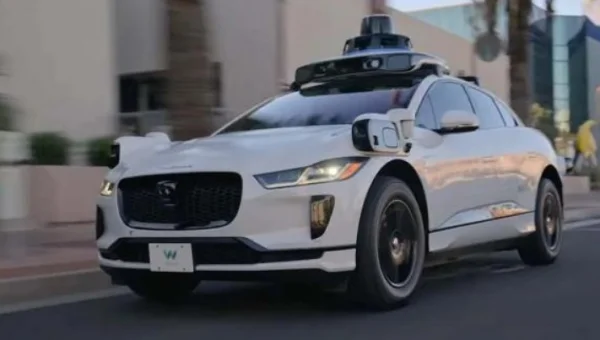
Waymo Targets First Commercial Robotaxi Service in Japan by 2027
Waymo aims to launch Japan's first fully commercial robotaxi service in Tokyo by 2027 in partnership with GO and Nihon Kotsu. The service will be driverless from day one, starting…
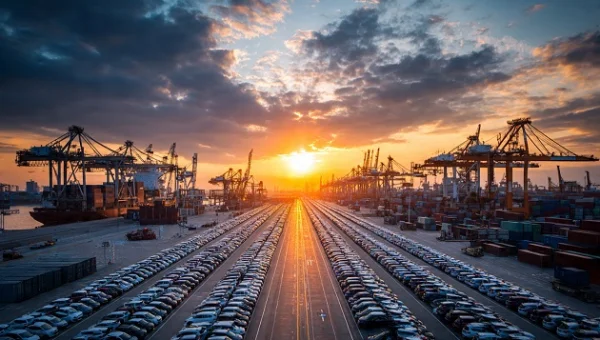
China's Electric Vehicle Dominance: 6.2 Million Cars Exported in 8 Months Led by BYD and Tesla
China exported 6.2 million passenger vehicles in the first 8 months of 2026, surpassing its total exports for all of 2025. BYD and Tesla lead this overseas expansion while the…
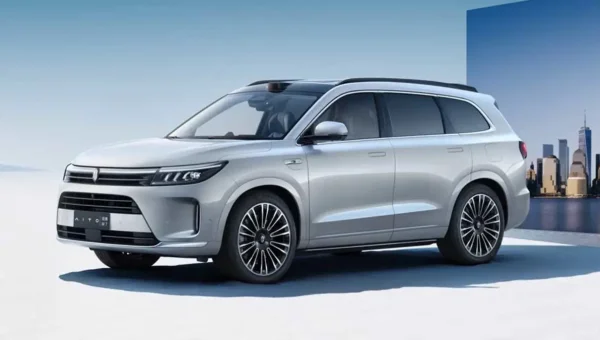
Chinese Li Auto Invades Europe: New Electric Li 6 to Rival Tesla and BMW at Paris Motor Show
Chinese automaker Li Auto has announced it is accelerating its global expansion plan and will unveil the European version of its Li 6 electric vehicle at the Paris Motor Show…

Ford Maverick: From a Texas Cow to a Car Young People Avoid
The Ford Maverick name goes back to Samuel A. Maverick, a Texas businessman in the 1840s known for letting his cattle roam without branding. In April 1969, the first Ford…