Why Electric Cars Are Beating Petrol in Europe: The Numbers Behind the Shift
A new study by the International Council on Clean Transportation (ICCT) reveals that electric vehicles in Europe cost about 33% less to run than petrol cars when combining home and public charging, and 28% less on public charging alone. In Germany, EV model count nearly quadrupled to around 160 between 2020 and 2025, with about 35 models priced under €30,000. Lead author Marie Rajon Bernard says these savings are hard to ignore, and ICCT expects EV adoption to keep rising as costs fall.
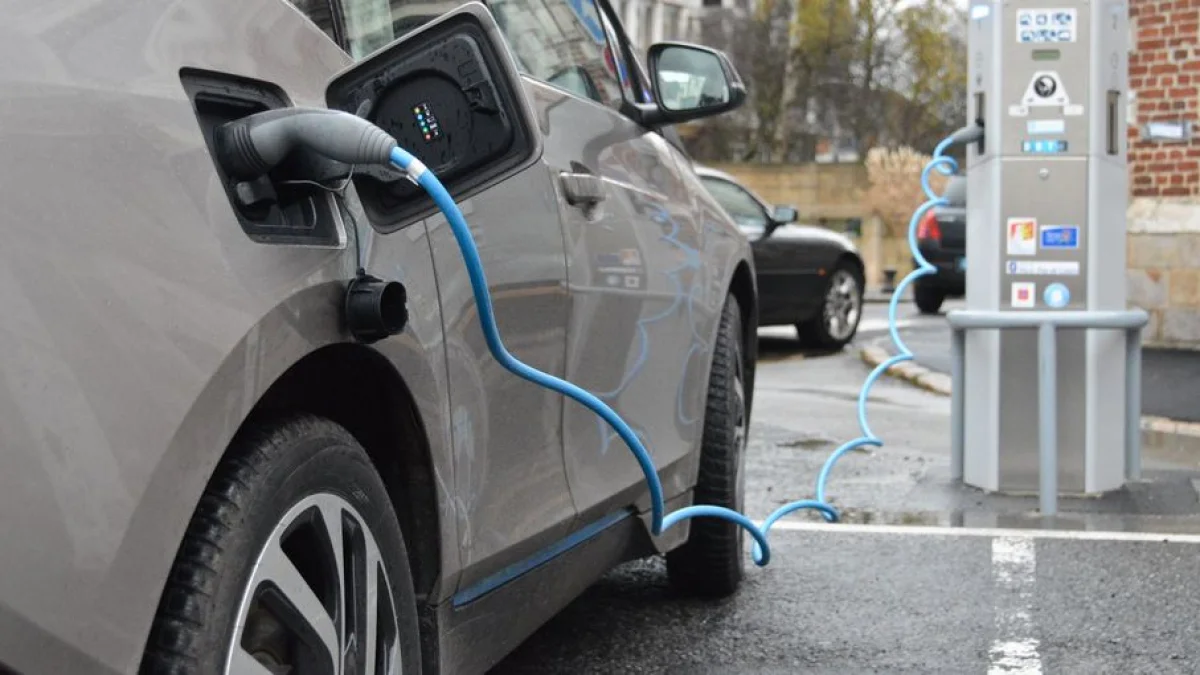
Electric cars in Europe cost about 33% less to run than petrol cars when combining home and public charging. That figure comes from a recent study by the International Council on Clean Transportation (ICCT), and it shows the cost gap is no longer a minor perk — it's a direct reason drivers are abandoning combustion engines.
Public Charging Doesn't Erase the EV Advantage
Surprisingly, Tesla and other electric vehicles held their ground even when relying entirely on public charging. That is usually far pricier than charging at home. According to ICCT data, running an EV on European roads cost about 28% less than comparable petrol cars. Those savings matter more as fuel prices climb — petrol in the EU sits at roughly $9 per gallon, or about €2 per liter.
160 Electric Models in Germany Alone
Running costs aren't the only draw. In Germany, the region's largest car market, the number of passenger EVs nearly quadrupled between 2020 and 2025, reaching about 160 models. More importantly, around 35 of them are priced below €30,000, giving buyers more affordable electric options. That range of choice is shifting the buying equation toward electric.
Savings That Go Beyond the Price Tag
Marie Rajon Bernard, a senior researcher at ICCT and lead author of the study, says EV drivers in Europe pay about a third less than petrol car owners. She argues these savings are hard to ignore. The data backs her up: the gap is wide enough to change purchase decisions, not just trim a few euros off monthly bills.
According to ICCT, current policies could push battery-electric vehicle adoption even higher in the coming years, as running costs keep falling and consumer choices expand. The math clearly favors electric — and the numbers alone are enough to convince the skeptics.
Frequently Asked Questions
3 questions answered
Related News
View All News
Volvo Launches Longer-Range Hybrid XC60 and XC90 for US and European Markets
Volvo has announced upgraded hybrid versions of the XC60 and XC90 with extended electric range for European and American markets. The new XC60 offers 200 km on a single charge,…
BYD Atto 2 Electric SUV Makes Egyptian Debut on September 18
BYD is set to officially launch the Atto 2 electric SUV in Egypt on September 18, 2026, through local distributor Man Dream. The compact SUV measures 4,310 mm long with…

CATL Signs Deal to Build Egypt's First Major EV Battery Plant with EGP 2 Billion Investment
CATL has signed a contract to build an electric vehicle battery plant in Egypt through BME, a company founded by MCV and Auto D. Phase one carries an estimated EGP…

Expert: Charging from Home Meter May Cancel Out EV Savings
Hesham El-Ziny, editor-in-chief of Ahram Auto, warned that charging an electric vehicle from a standard home meter may cancel out expected savings on running costs. He explained the ideal scenario…

Before Buying an EV: Expert Says Garage and Home Charger May Decide Your Purchase
Hisham El-Ziny, editor-in-chief of Ahram Auto Portal, advised potential EV buyers not to base their decision solely on price or running costs. Speaking on "Kol El Abaad" on Extra News,…