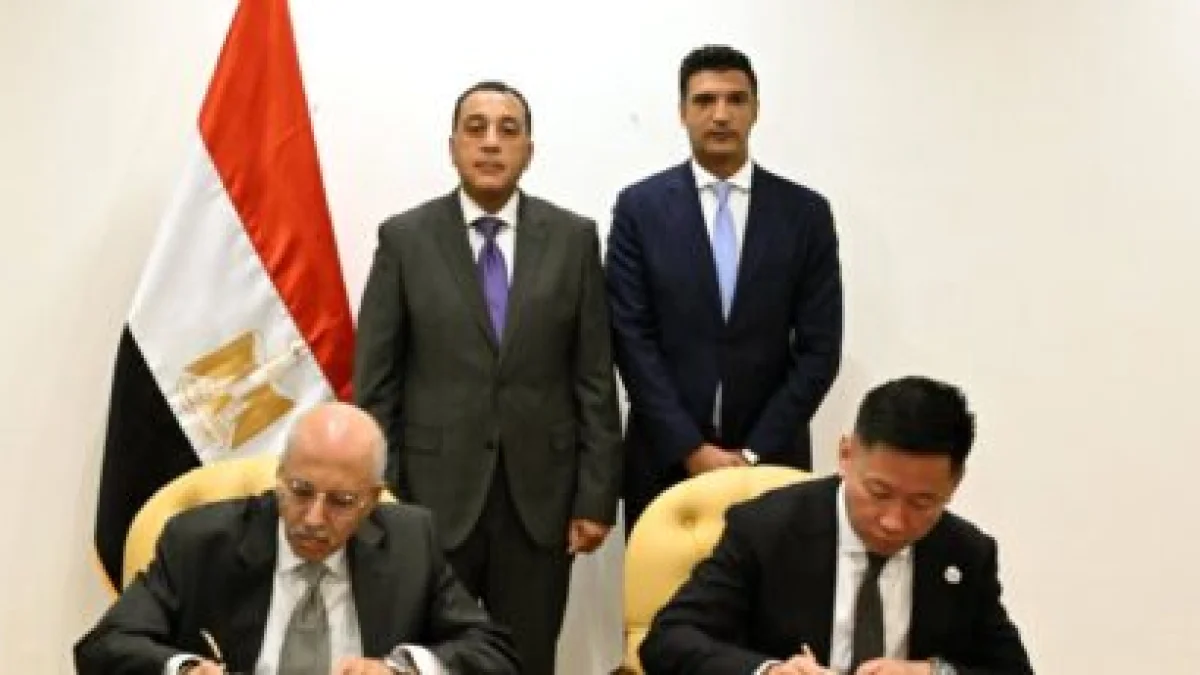
CATL Signs Deal to Build Egypt's First Major EV Battery Plant with EGP 2 Billion Investment
CATL has signed a contract to build an electric vehicle battery plant in Egypt through BME, a company founded by MCV and Auto D. Phase one carries an estimated EGP 2 billion investment and 1 GWh annual capacity, starting with heavy commercial vehicle batteries. Phase two lifts capacity to 5 GWh and adds passenger car and energy storage batteries. The plant targets exports and 40% local content, reducing Egypt's reliance on imported battery systems.
CATL, the world's largest electric vehicle battery manufacturer, has signed a contract to build an EV battery plant in Egypt. The project involves an estimated EGP 2 billion investment in its first phase, with initial production capacity of 1 gigawatt-hour annually — a direct stake in localising battery manufacturing.
BME Brings CATL, MCV and Auto D Together
The deal is a three-way alliance. BME Battery Manufacturing Egypt, set up by MCV for Transport Means Manufacturing, and Auto D for Industry, Trade and Supplies, joined forces with CATL of China.
Prime Minister Mostafa Madbouly attended the signing, alongside Luo Haining, CATL's director of international investment management. The mission is straightforward: establish a new manufacturing base in Egypt for batteries and their systems, moving beyond import dependency.
Heavy Commercial Batteries First, Passenger Cars Next
Phase one won't target passenger vehicles. The plant will start with batteries for heavy commercial vehicles, then expand to passenger car batteries and energy storage solutions, according to the announcement.
Part of the output is earmarked for export. Capacity sits at 1 GWh per year in phase one, then climbs to 5 GWh annually in phase two, when passenger car and clean energy batteries enter production. Local content is targeted at 40%. Those aren't throwaway figures — they signal a serious break from import reliance.
What the Plant Means for Egypt's Vehicle Makers
Vehicle manufacturers in the Egyptian market will get locally produced battery systems instead of waiting for imported shipments. That cuts import dependency, shipping costs and logistics burdens, and puts the systems close to vehicle assembly lines.
The bigger gain is response speed and flexibility in developing EV programmes. Tweaking an electric model no longer depends on an overseas supply calendar. That alone could shift electric vehicle pricing dynamics in Egypt over the medium term, especially as brands like Toyota, Hyundai and Nissan push further into electrified lineups.
The Bet on Localising Battery Production
The first-phase investment stands at roughly EGP 2 billion — no small sum for an industrial project of this scale. Egyptian demand for commercial and passenger vehicle batteries keeps rising, and imports have carried the supply load so far.
With Chery, BYD and Kia bringing electric models to the local market, having a battery plant on the ground becomes a core enabler for any scalable EV programme. The new facility is a supply-chain turning point, not just an investment headline.
Frequently Asked Questions
3 questions answered
Related News
View All News
Volvo Launches Longer-Range Hybrid XC60 and XC90 for US and European Markets
Volvo has announced upgraded hybrid versions of the XC60 and XC90 with extended electric range for European and American markets. The new XC60 offers 200 km on a single charge,…
BYD Atto 2 Electric SUV Makes Egyptian Debut on September 18
BYD is set to officially launch the Atto 2 electric SUV in Egypt on September 18, 2026, through local distributor Man Dream. The compact SUV measures 4,310 mm long with…
Expert: Charging from Home Meter May Cancel Out EV Savings
Hesham El-Ziny, editor-in-chief of Ahram Auto, warned that charging an electric vehicle from a standard home meter may cancel out expected savings on running costs. He explained the ideal scenario…
Before Buying an EV: Expert Says Garage and Home Charger May Decide Your Purchase
Hisham El-Ziny, editor-in-chief of Ahram Auto Portal, advised potential EV buyers not to base their decision solely on price or running costs. Speaking on "Kol El Abaad" on Extra News,…
Not Just Electricity: Hisham El-Zeiny Offers 3 Hybrid Alternatives for Car Buyers
Hisham El-Zeiny says the future of cars is not limited to choosing between petrol and fully electric vehicles, with intermediate technologies gaining wider adoption. These include conventional hybrids, plug-in hybrids,…