Expert: Charging from Home Meter May Cancel Out EV Savings
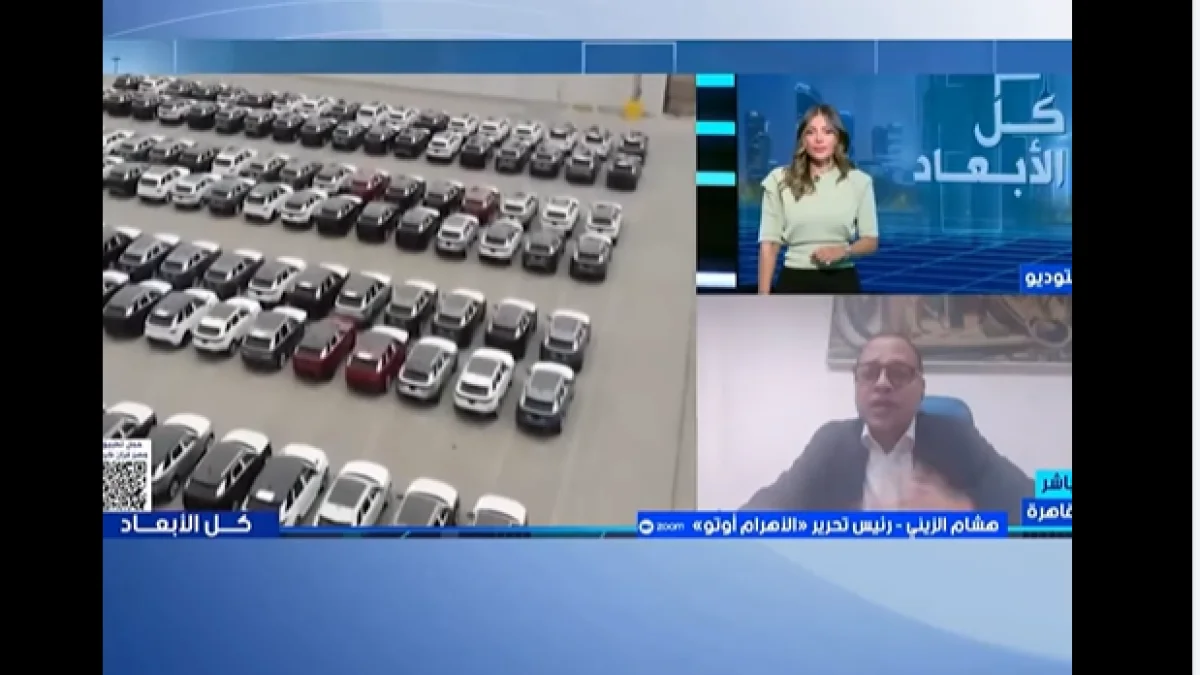
Hesham El-Ziny, editor-in-chief of Ahram Auto, warned that charging an electric vehicle from a standard home meter may cancel out expected savings on running costs. He explained the ideal scenario is a fixed charging spot with a dedicated electricity meter to track actual consumption. He stressed that buyers must ask themselves before purchasing: where will I charge the car daily?
Hesham El-Ziny, editor-in-chief of Ahram Auto, has warned that a common mistake among electric vehicle buyers could wipe out the expected savings on running costs. The number isn't guaranteed. Real savings depend on how you charge, not just on the car itself, he explained during an interview with Hadir Abu Zeid on the "Kol El Abaad" program on Extra News.
Why Some Owners Never Feel the Savings
The reason is straightforward. When you rely on charging your EV from a standard home electricity meter, consumption rises noticeably, and the difference in your monthly bill may not match what you imagined before buying. El-Ziny said EV ownership becomes truly practical when you have a fixed place to charge at home, along with a dedicated meter for charging that lets you track actual consumption accurately.
The Ideal Setup for EV Owners
What does the optimal scenario look like? According to the editor-in-chief of Ahram Auto, it means having a private garage or a fixed spot where a charger can be installed, plus an independent electricity meter. This setup separates the car's consumption from the household's, making the math clear. El-Ziny compared an EV to a mobile phone — you come home, plug it in overnight, and start your day with a ready car. Simple and effective.
One Question Before You Buy
Before any purchase decision, El-Ziny says a buyer needs to ask one question: "Where will I charge the car every day?" If the answer isn't clear, ownership could become more of a burden than expected. The experience may be less comfortable and more expensive. This doesn't mean electric vehicles are inherently uneconomical, but savings hinge on available infrastructure, charging method, and daily mileage.
The Real Economics Are Beyond the Car Itself
The conclusion El-Ziny draws is clear: an EV can be genuinely economical, but achieving those savings depends on factors outside the vehicle. The user's infrastructure, charging approach. Daily driving distance — these are the variables that determine the real gap. Without them, an owner might end up paying more than anticipated. That is exactly the common mistake he warned against.
Frequently Asked Questions
3 questions answered
Related News
View All News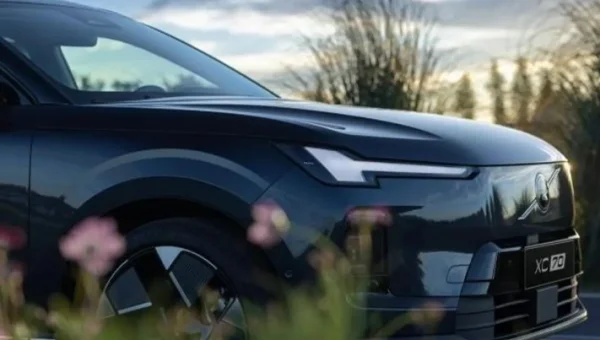
Volvo Launches Longer-Range Hybrid XC60 and XC90 for US and European Markets
Volvo has announced upgraded hybrid versions of the XC60 and XC90 with extended electric range for European and American markets. The new XC60 offers 200 km on a single charge,…
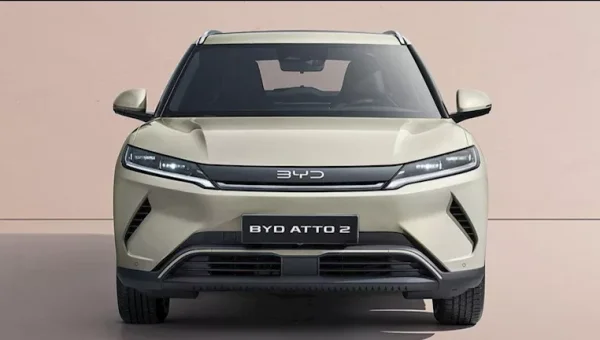
BYD Atto 2 Electric SUV Makes Egyptian Debut on September 18
BYD is set to officially launch the Atto 2 electric SUV in Egypt on September 18, 2026, through local distributor Man Dream. The compact SUV measures 4,310 mm long with…

CATL Signs Deal to Build Egypt's First Major EV Battery Plant with EGP 2 Billion Investment
CATL has signed a contract to build an electric vehicle battery plant in Egypt through BME, a company founded by MCV and Auto D. Phase one carries an estimated EGP…

Before Buying an EV: Expert Says Garage and Home Charger May Decide Your Purchase
Hisham El-Ziny, editor-in-chief of Ahram Auto Portal, advised potential EV buyers not to base their decision solely on price or running costs. Speaking on "Kol El Abaad" on Extra News,…
Not Just Electricity: Hisham El-Zeiny Offers 3 Hybrid Alternatives for Car Buyers
Hisham El-Zeiny says the future of cars is not limited to choosing between petrol and fully electric vehicles, with intermediate technologies gaining wider adoption. These include conventional hybrids, plug-in hybrids,…