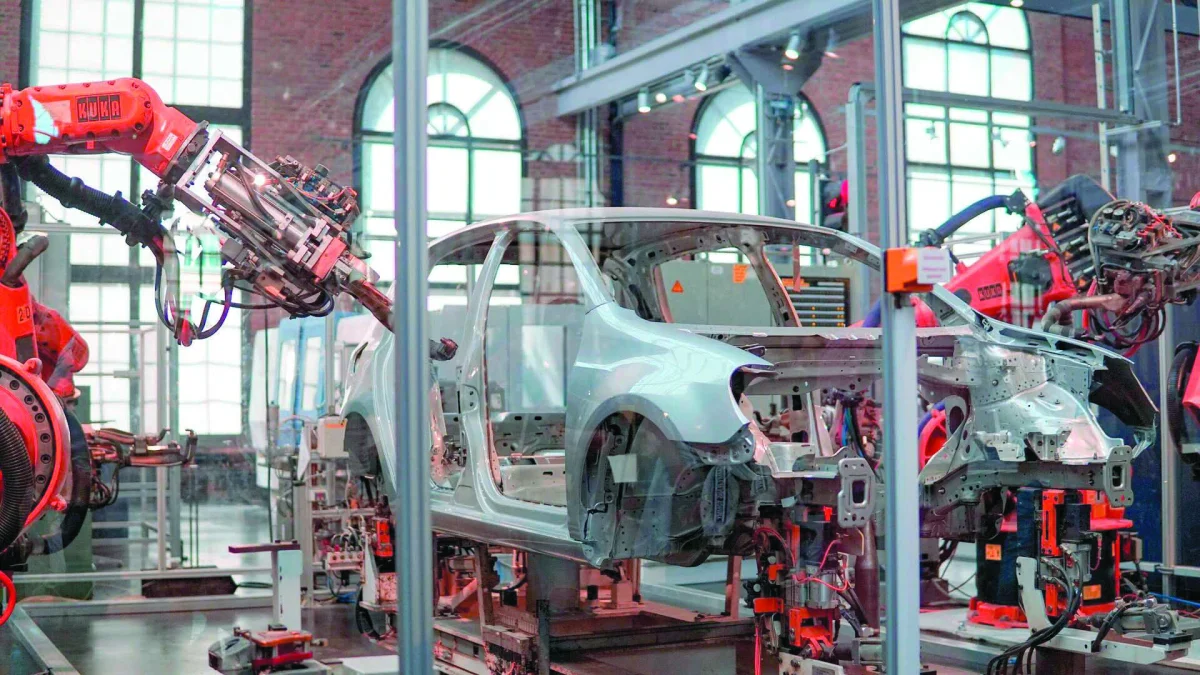
Locally Assembled Passenger Car Sales Rise 9.5% in Egypt's First 7 Months of 2026
Locally assembled passenger car sales in Egypt grew 9.5% in the first seven months of 2026, reaching 37,943 units. Imported vehicle sales surged 40% to 49,197 units. Data from the Automobile Market Information Council (AMIC) shows imports are outpacing local production, reflecting a notable shift in Egypt's automotive market dynamics.
Locally assembled passenger car sales in Egypt climbed 9.5% in the first seven months of 2026, reaching 37,943 units compared to 34,656 vehicles a year earlier. The numbers reveal real movement in the Egyptian automotive market.
Imported Vehicles Gain Momentum
Imported passenger car sales surged far ahead. They jumped 40% to hit 49,197 vehicles, up from 35,137 units in the same period. The gap between the two growth rates raises an obvious question about shifting buyer preferences. Are Egyptian consumers turning toward imports? The data suggests yes.
The figures from the Automobile Market Information Council (AMIC) paint a clearer picture. Locally assembled sales grew, but at a slower pace than imports. The spread between 9.5% and 40% isn't marginal. It signals that the new car market in Egypt is reshuffling its priorities.
What Is Driving Import Demand?
A 40% jump in imported vehicle sales doesn't happen in a vacuum. Egyptian buyers now find wider options in models shipped from abroad, especially in the economy and mid-range segments. Toyota prices and those of other imported brands have become more competitive as availability improves. Meanwhile, local production faces cost pressures that weigh on its growth pace.
The figures speak for themselves. With 37,943 locally assembled units against 49,197 imported vehicles, imports now claim a larger share. The landscape differs from earlier years when local production led the charge. That shift deserves close attention.
What This Means for Buyers
In the short term, competition between locally assembled and imported vehicles benefits the buyer. Options multiply, and pricing enters a more competitive equation. Yet the challenge remains whether local factories can narrow the gap. A 9.5% increase is positive, but it doesn't match the momentum behind imports. The market's trajectory will hinge on production costs, exchange rates, and the ease of importing.
Frequently Asked Questions
3 questions answered
Related News
View All News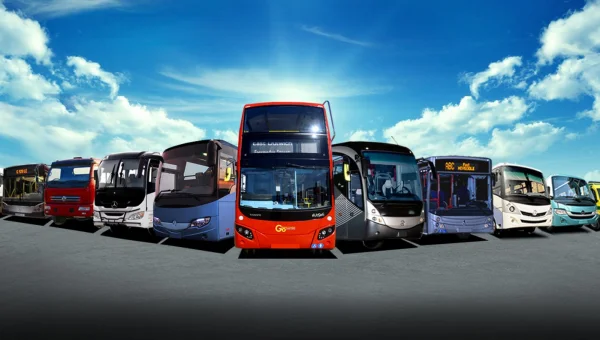
Egypt Bus Sales Surge 62% in July to 1,835 Units
Bus sales in Egypt grew 62% in July to 1,835 units, up from 1,133 in the same month last year. King Long topped the brand rankings with 664 vehicles, followed…
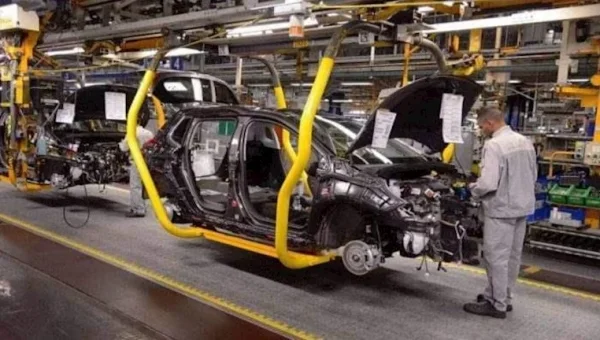
Local 60% Component Equals Full Manufacturing, Says Automotive Traders Association
Mahmoud Hammad, Vice President of the Automotive Traders Association, said a local component ratio of 60% to 70% is equivalent to full manufacturing globally. He explained that the engine and…

Automobile Club Launches 'On the Road' Campaign to Boost Traffic Safety
The Egyptian Automobile and Touring Club, in cooperation with the FIA, has launched a new awareness campaign called 'On the Road' to raise awareness about the dangers of distracted driving.…

Used Car Market Bounces Back Ahead of School Year: Dealer Reveals Top-Selling Models
Egypt's used car market saw a rebound ahead of the new school year, with strong demand for Chinese cars used by ride-hailing drivers, priced between 250,000 and 800,000 Egyptian pounds.…

Auto Center Point Opens Test Drives for 4 Cars Until September 12
The fifth edition of Auto Center Point has launched at Axis Mall on the Suez Road and runs until September 12. The exhibition offers test drives for four cars: Geely…