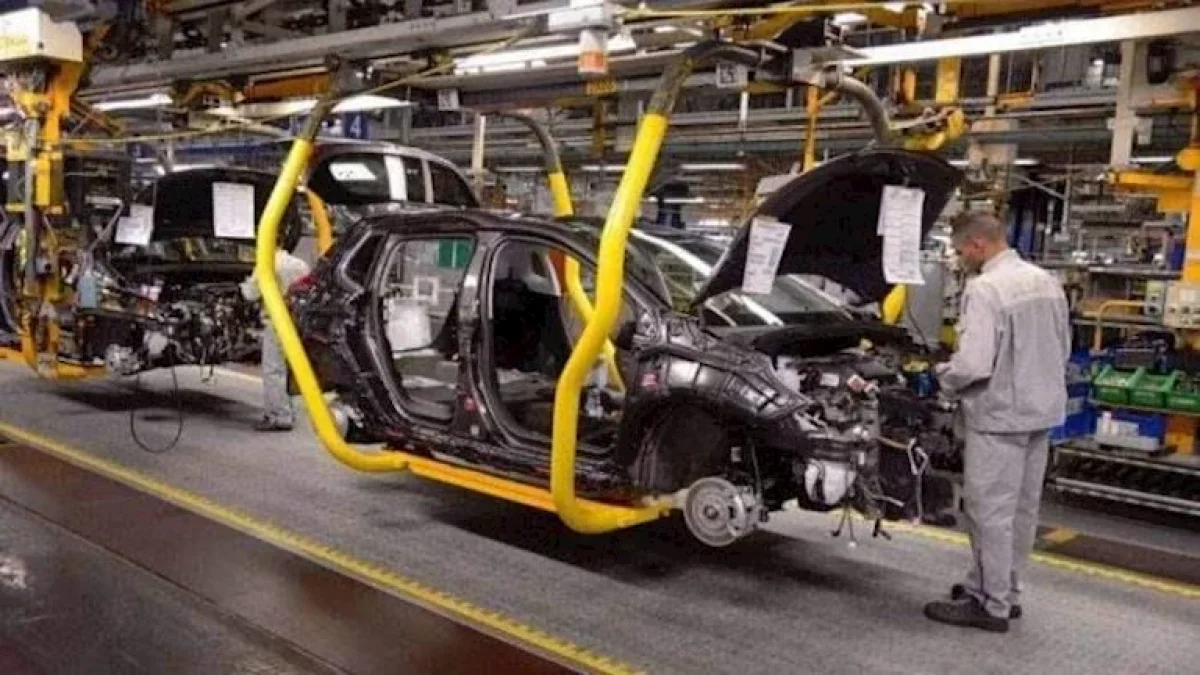
Local 60% Component Equals Full Manufacturing, Says Automotive Traders Association
Mahmoud Hammad, Vice President of the Automotive Traders Association, said a local component ratio of 60% to 70% is equivalent to full manufacturing globally. He explained that the engine and gearbox account for 40% of local component value, and overcoming this hurdle opens export doors. He cited Egypt's success in manufacturing buses with 60-70% local content and exporting them worldwide. The ultimate goal is to make Egyptian cars globally competitive.
Mahmoud Hammad, Vice President of the Automotive Traders Association, said that reaching a local component ratio of 60% to 70% in car manufacturing is equivalent to full manufacturing according to global standards. He explained that this figure isn't just an ambitious target—it represents the real turning point for Egypt's economy. Hammad made these remarks during a TV interview, stressing that the Egyptian auto industry needs a realistic outlook, away from exaggeration.
Why No Single Country Builds a Car Alone
No country in the world manufactures a car with 100% local components. Hammad gave a clear example: global supply chains stretch across 20 to 30 countries, each providing parts and technologies. "No country makes a car on its own," he said. This interdependence isn't a weakness—it's the reality of modern industry. Egypt is moving within this framework, aiming to deepen local manufacturing instead of chasing an impossible goal.
Egyptian Buses: A Success Story to Repeat
Did you know Egypt has already achieved high local content ratios in bus manufacturing? Hammad revealed that the bus sector reached a local component ratio of 60% to 70%. The result was exports to the entire world. The experience proved that the Egyptian market can compete when the will and proper infrastructure exist. Success in buses offers a model that can be applied to passenger cars, but the road isn't paved with roses.
Engine and Gearbox: The Biggest Hurdle
Core components like the engine and transmission alone account for about 40% of a car's local component value. Hammad described this as the biggest challenge. "The engine and gearbox are the biggest challenge," he summed up. Add to that the wiring harness, glass. Electronic chips, and overcoming the engine and transmission hurdle opens unprecedented horizons for the national industry. Without these parts, the dream remains incomplete.
What Does 70% Local Content Mean for the Economy?
Achieving a 70% local component ratio means the Egyptian car will enter global markets with confidence. Hammad noted that this level gives the product a high competitive edge and real added value, opens export doors. Directly supports the national currency. "When we reach 70% local content, the Egyptian car will be globally competitive." Exporting isn't just an option—it's a necessity to turn the local industry into an engine of economic growth.
Government Efforts to Localize the Industry
There are serious government moves to localize car manufacturing in Egypt. Hammad pointed to encouraging global companies to set up local factories and develop local supply chains. The Egyptian market has an industrial base capable of absorbing this promising industry, but success requires time and massive investments. Looking at the bus experience, the road is long but possible.
Frequently Asked Questions
3 questions answered
Related News
View All News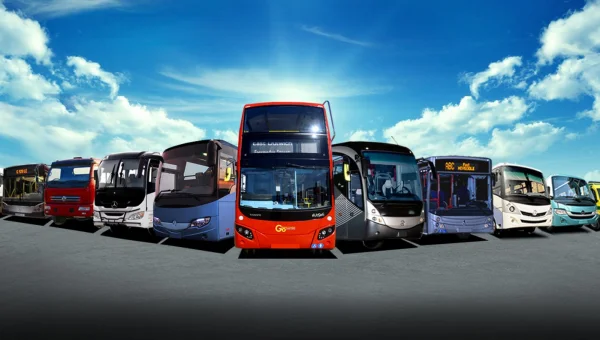
Egypt Bus Sales Surge 62% in July to 1,835 Units
Bus sales in Egypt grew 62% in July to 1,835 units, up from 1,133 in the same month last year. King Long topped the brand rankings with 664 vehicles, followed…
Locally Assembled Passenger Car Sales Rise 9.5% in Egypt's First 7 Months of 2026
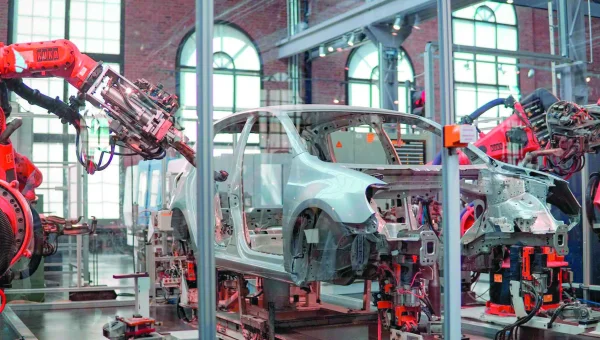
Locally assembled passenger car sales in Egypt grew 9.5% in the first seven months of 2026, reaching 37,943 units. Imported vehicle sales surged 40% to 49,197 units. Data from the…

Automobile Club Launches 'On the Road' Campaign to Boost Traffic Safety
The Egyptian Automobile and Touring Club, in cooperation with the FIA, has launched a new awareness campaign called 'On the Road' to raise awareness about the dangers of distracted driving.…
Used Car Market Bounces Back Ahead of School Year: Dealer Reveals Top-Selling Models
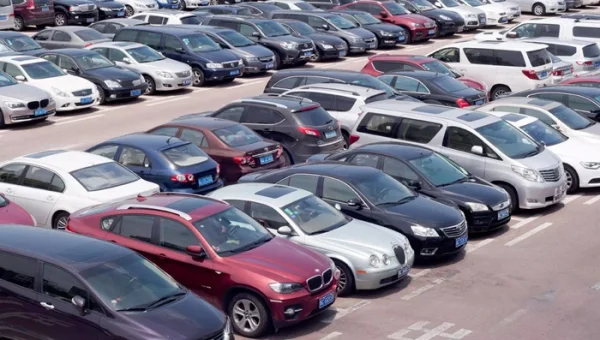
Egypt's used car market saw a rebound ahead of the new school year, with strong demand for Chinese cars used by ride-hailing drivers, priced between 250,000 and 800,000 Egyptian pounds.…
Auto Center Point Opens Test Drives for 4 Cars Until September 12
The fifth edition of Auto Center Point has launched at Axis Mall on the Suez Road and runs until September 12. The exhibition offers test drives for four cars: Geely…