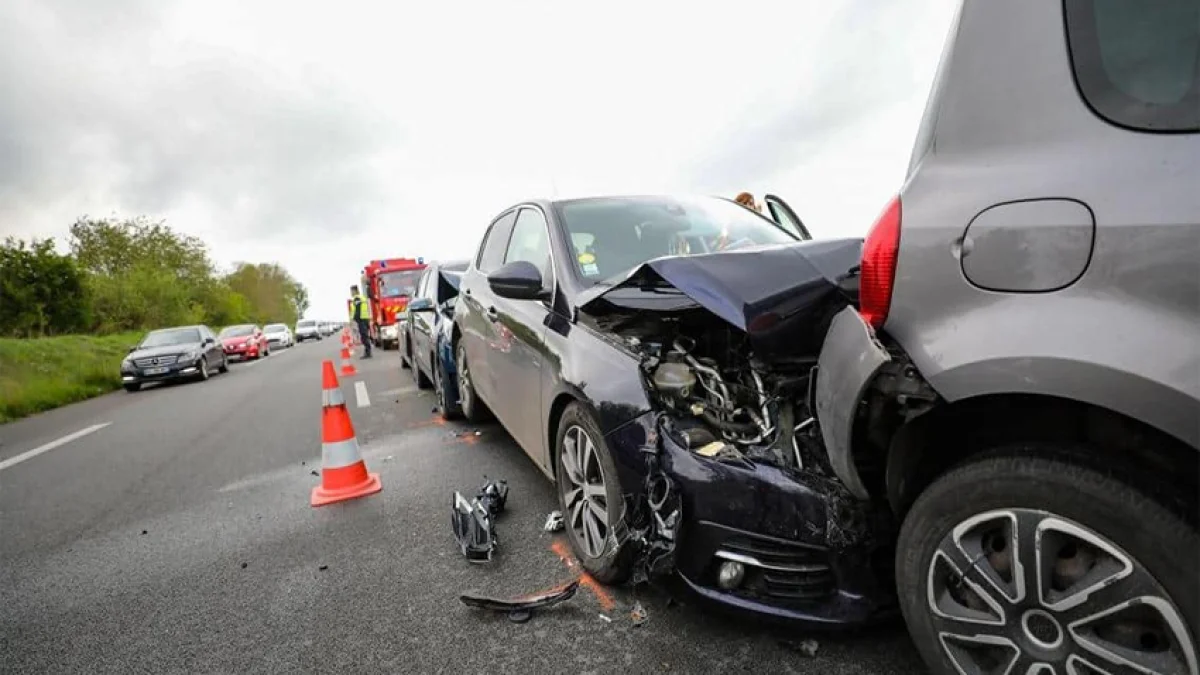
Global Road Traffic Deaths Drop 21% but Remain Leading Cause of Youth Death
New data from the World Health Organization reveals a significant 21% decline in global road traffic deaths between 2011 and 2025. Despite this positive trend, road crashes still claim over 1.1 million lives annually, maintaining their position as the leading cause of death for children and young people aged 5 to 29 years old.
The Gap Between Rich and Poor Nations
According to a study published in The Lancet Public Health, global rates of road traffic injuries and fatalities have each declined by more than 30% between 1990 and 2023. However, improvements have not been evenly distributed across countries. While high-income nations have made substantial progress in reducing deaths, low-income countries continue to suffer from elevated rates, accounting for 90% of all road fatalities despite having lower injury rates compared to wealthier nations.
Safety Challenges in Developing Countries
In many low-income nations, safety measures have not kept pace with rapid urban growth and increased motor vehicle usage. For instance, mandatory seatbelt laws are less widespread in these countries, and vehicle safety features such as airbags are not as commonly available as in high-income nations. Road traffic deaths include fatal injuries sustained by pedestrians, cyclists, and occupants of cars, trucks, and other vehicles. The lack of complete data in some countries led researchers to rely on estimates based on available information.
Rising Deaths in Some Nations Despite Global Decline
Despite the global reduction, the study found that pedestrian and vehicle occupant deaths increased in six countries, including the United States, between 1990 and 2023. However, more recent data shows a decline in U.S. road traffic deaths during 2024 and 2025. Researchers from the Institute for Health Metrics and Evaluation at the University of Washington note that the absence of comprehensive data in some countries forced them to base their findings on available estimates.
These figures underscore the long road ahead in achieving global road safety targets, particularly in low-income countries where the gap between urban growth and safety infrastructure remains wide. The WHO calls for strengthening safety laws and their strict enforcement, alongside improving road design and vehicle standards, to curb this ongoing tragedy that continues to claim millions of lives each year.
Related News
View All News
Egypt Bus Sales Surge 62% in July to 1,835 Units
Bus sales in Egypt grew 62% in July to 1,835 units, up from 1,133 in the same month last year. King Long topped the brand rankings with 664 vehicles, followed…

Locally Assembled Passenger Car Sales Rise 9.5% in Egypt's First 7 Months of 2026
Locally assembled passenger car sales in Egypt grew 9.5% in the first seven months of 2026, reaching 37,943 units. Imported vehicle sales surged 40% to 49,197 units. Data from the…
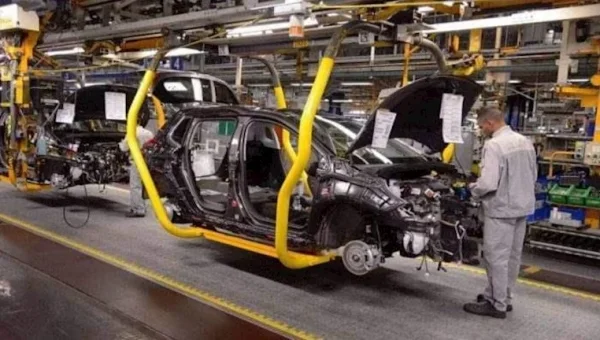
Local 60% Component Equals Full Manufacturing, Says Automotive Traders Association
Mahmoud Hammad, Vice President of the Automotive Traders Association, said a local component ratio of 60% to 70% is equivalent to full manufacturing globally. He explained that the engine and…

Automobile Club Launches 'On the Road' Campaign to Boost Traffic Safety
The Egyptian Automobile and Touring Club, in cooperation with the FIA, has launched a new awareness campaign called 'On the Road' to raise awareness about the dangers of distracted driving.…

Used Car Market Bounces Back Ahead of School Year: Dealer Reveals Top-Selling Models
Egypt's used car market saw a rebound ahead of the new school year, with strong demand for Chinese cars used by ride-hailing drivers, priced between 250,000 and 800,000 Egyptian pounds.…