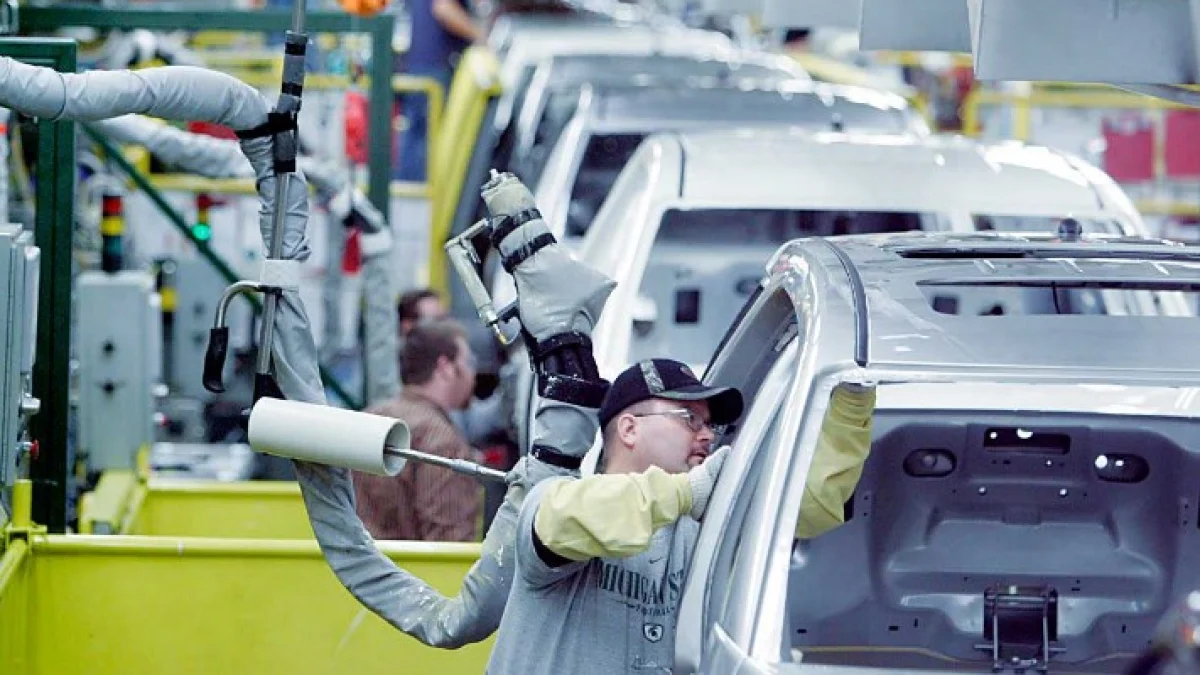
Car Dealers Association: 60% Local Content Means Full Manufacturing and Radical Economic Change
Mahmoud Hammad, Vice President of the Car Dealers Association, confirmed that reaching 60-70% local content equals full manufacturing by global standards. He explained that engine and gearbox alone account for 40% of local content value. Egypt's bus industry already exports worldwide with over 60% local content, proving the path forward.
Mahmoud Hammad, Vice President of the Car Dealers Association and head of its used car division, confirmed that raising local content in car manufacturing to 60% or 70% effectively equals full manufacturing by global standards. He stressed that this achievement would radically reshape the Egyptian economy, citing Egypt's success in bus manufacturing which currently exports worldwide with local content ratios between 60% and 70%.
Why No Country Manufactures 100% of Any Car
Global manufacturing depends on industrial integration between nations. No single country produces a complete car from scratch at 100%, but instead relies on supply chains spanning 20 to 30 different countries. Egypt wants to become a key player in these chains rather than a mere importer.
Hammad explained during his television interview that core components like the engine and gearbox alone represent about 40% of a car's local content value. The wiring harness, glass, and electronic chips add further complexity to the national industry's challenge.
The gap is real. Overcoming the engine and transmission production hurdle will push domestic manufacturing toward unprecedented horizons. A vehicle with locally produced engine and gearbox gains genuine added value that can't be achieved through any other means.
Impact on Exports and National Currency
Achieving these local content ratios grants Egyptian-made products in Cairo and all governorates a strong competitive edge. A local factory reaching this percentage can compete in foreign markets, directly opening export doors for Egyptian car companies.
The benefits extend beyond factory walls. Supporting the national currency follows naturally from increased exports and reduced import dependency—every additional percentage point in local content value means saving foreign currency that would otherwise leave the country for imported parts.
Egypt already possesses the expertise and infrastructure required. The bus sector proved that national industry can exceed 60% local content and compete globally, leaving one question open: when will this success transfer to the passenger car segment? Integration across industrial components and supportive policies will determine how quickly Egypt reaches this ambitious goal.
Frequently Asked Questions
3 questions answered
Related News
View All News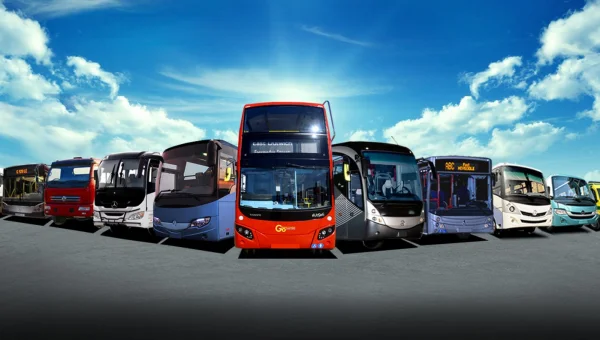
Egypt Bus Sales Surge 62% in July to 1,835 Units
Bus sales in Egypt grew 62% in July to 1,835 units, up from 1,133 in the same month last year. King Long topped the brand rankings with 664 vehicles, followed…
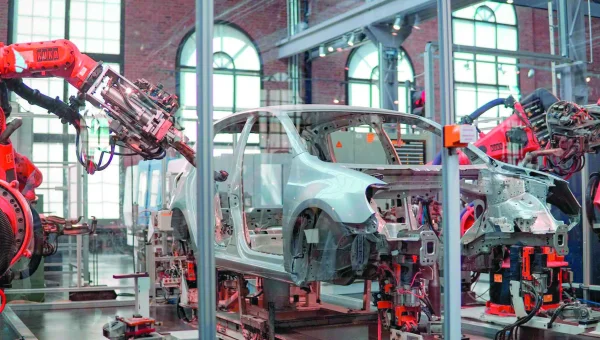
Locally Assembled Passenger Car Sales Rise 9.5% in Egypt's First 7 Months of 2026
Locally assembled passenger car sales in Egypt grew 9.5% in the first seven months of 2026, reaching 37,943 units. Imported vehicle sales surged 40% to 49,197 units. Data from the…
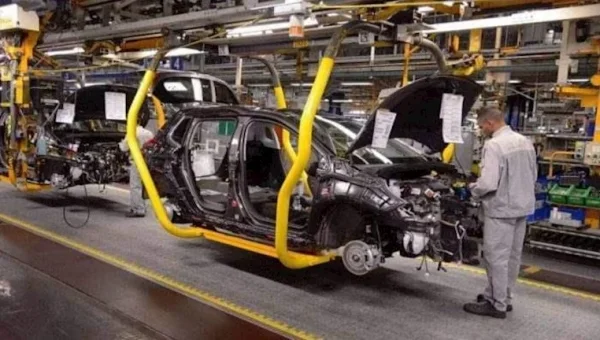
Local 60% Component Equals Full Manufacturing, Says Automotive Traders Association
Mahmoud Hammad, Vice President of the Automotive Traders Association, said a local component ratio of 60% to 70% is equivalent to full manufacturing globally. He explained that the engine and…

Automobile Club Launches 'On the Road' Campaign to Boost Traffic Safety
The Egyptian Automobile and Touring Club, in cooperation with the FIA, has launched a new awareness campaign called 'On the Road' to raise awareness about the dangers of distracted driving.…
Used Car Market Bounces Back Ahead of School Year: Dealer Reveals Top-Selling Models
Egypt's used car market saw a rebound ahead of the new school year, with strong demand for Chinese cars used by ride-hailing drivers, priced between 250,000 and 800,000 Egyptian pounds.…