Ezz El Sewedy to Manufacture New Vehicles in Egypt Through Partnerships With Global Automakers
Ezz El Sewedy has outlined plans to expand its industrial operations in Egypt, with a strong focus on increasing investments across several key sectors, particularly the automotive industry. The plans were discussed during a meeting between Prime Minister Mostafa Madbouly and Ahmed El Sewedy, Chief Executive Officer and Managing Director of El Sewedy Electric, attended by several company officials.
Expansion in Conventional and Electric Vehicle Manufacturing
Ahmed El Sewedy reviewed the company's ongoing industrial and investment projects across multiple sectors, highlighting future plans that include expanding vehicle manufacturing activities, with special attention given to electric vehicles. The strategy also involves injecting additional investments to support growth in the coming period.
Boosting Investment in the Golden Triangle Region
The meeting also addressed cooperation and coordination between the company and the General Authority for the Golden Triangle Economic Zone. El Sewedy noted ongoing efforts to attract more industrial investors to the promising region and called for an increase in the land allocated to the company, citing significant infrastructure investments and the expected influx of new industrial investments.
New Vehicle Production With Global Manufacturing Partners
Company officials also presented their expansion strategy for the automotive sector, confirming that new vehicles will be manufactured in Egypt in cooperation with global manufacturers. The initiative is aimed at strengthening local vehicle production capabilities and supporting the country's automotive industry.
Production Capacity Reaches 80,000 Vehicles
According to the company, the Ezz El Sewedy plant has an annual production capacity of approximately 80,000 new vehicles. The facility is expected to help meet domestic market demand while increasing export volumes through a project backed by investments worth billions of Egyptian pounds.
Related News
View All News
Medhat Awad: Peugeot Combines Safety Tech and Reliability at Competitive Prices in Egypt
Medhat Awad, Managing Director of Mansco Automotive, affirmed that Peugeot cars stand out for their safety technology and reliability versus mere comfort features. He pointed to braking systems, torque, and…
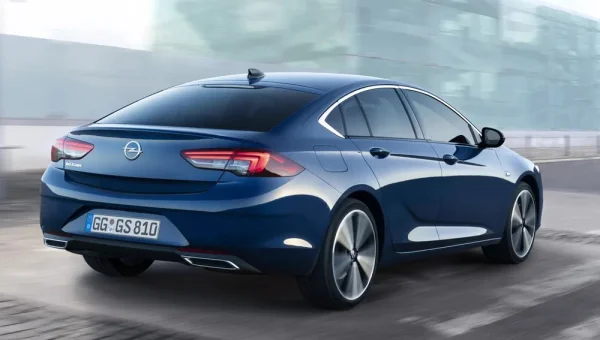
Opel CEO Settles Insignia's Future: No Return Anytime Soon
Opel CEO Florian Huettl confirmed there is no near-term project to develop a new Insignia generation. He said the car's segment has limited growth and does not justify major investment…
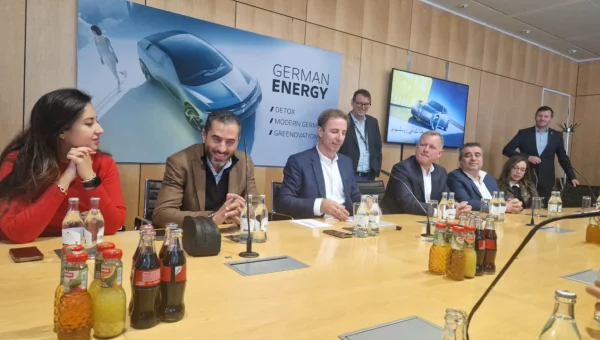
Opel Picks Historic Corsa Plant in Spain to Build New EV with Leapmotor
Opel has selected its Zaragoza plant in Spain to produce a new vehicle developed with China's Leapmotor, launching in 2028. The car belongs to the compact C-SUV segment and combines…
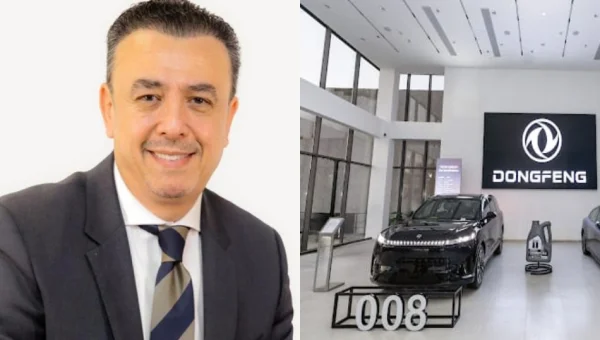
SN Automotive to Open New Branch in Alexandria, Expands Dongfeng Network Across Delta
SN Automotive, the authorized agent for Chinese brand Dongfeng in Egypt, has announced plans to open a new branch in Alexandria following the recent launch of a large facility in…
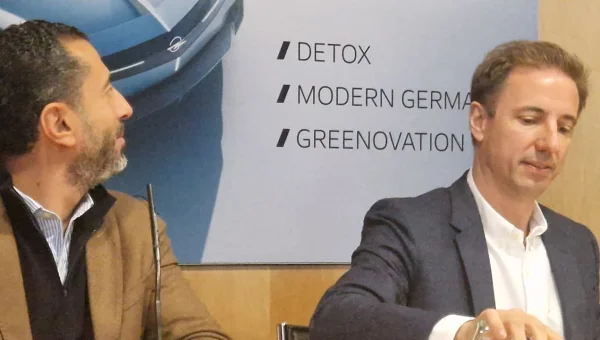
Opel CEO: I've Driven an EV for 3 Years and Only Need Public Chargers Twice a Month
Florian Huettl, CEO of Opel, has revealed that he has been driving a fully electric car for three years and uses public charging stations only once or twice a month…