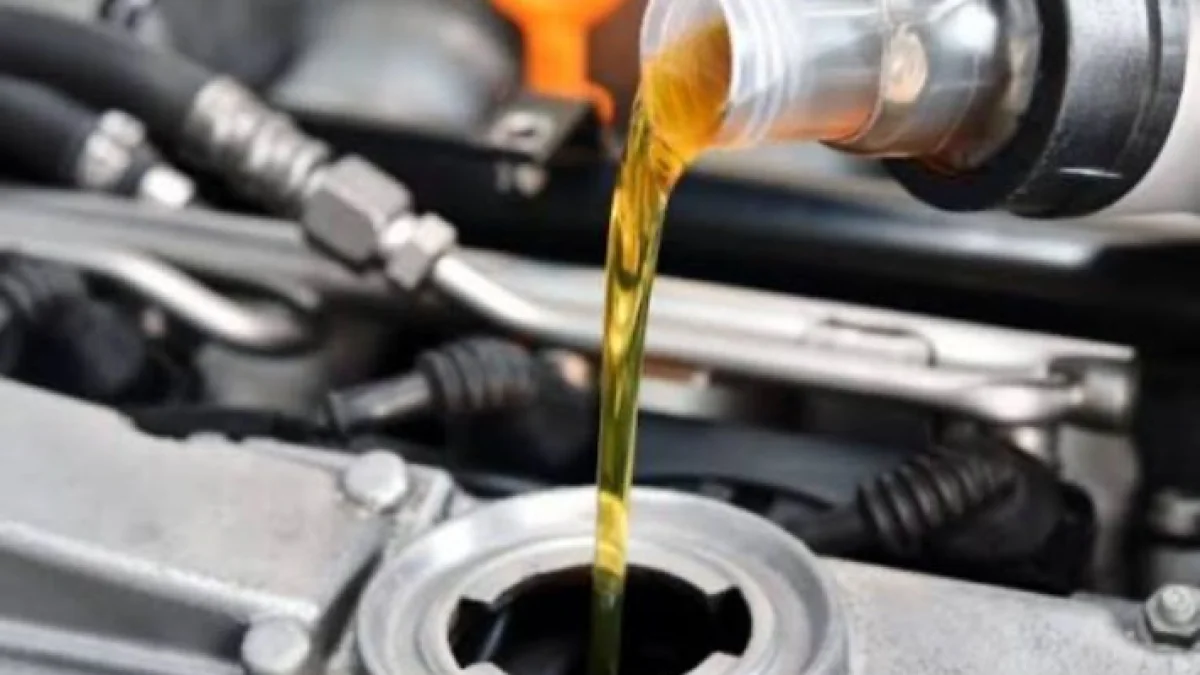
Signs That Reveal Counterfeit Car Oils Before You Buy
An unlicensed warehouse in Dakahlia was seized for recycling used car oils and repackaging them in containers with famous brand names. Signs of counterfeit oils include unclear product source and fake branded packaging. Using these oils threatens engine efficiency, accelerates wear, and causes sudden breakdowns. The Consumer Protection Agency warns against these products.
Counterfeit car oils are a real threat to your engine. The seizure of an unlicensed warehouse in Dakahlia governorate—where used and damaged car oils were being recycled and repackaged into containers bearing famous brand names—revealed several signs consumers must watch for when buying car oils. The goal? Avoiding products of unknown origin or non-compliant specifications.
Signs That Reveal Counterfeit Car Oils
Lack of clarity about the product's source or nature is the first red flag. Some illicit practices rely on reconditioning used and damaged oils for reintroduction to the market. Containers bearing famous brand names illegally are another sign. Those brands may be used to mislead consumers into thinking the product is genuine and compliant, despite no legal basis or authorization from the trademark owner. Caution is required.
The Danger of Buying Unknown-Source Car Oils
Buying car oils from unknown or recycled sources is dangerous. There's no guarantee they meet technical specifications and approved requirements. This affects engine efficiency and accelerates wear and damage to internal parts. Using these oils may lead to reduced operating efficiency and increased likelihood of sudden breakdowns. Car owners bear additional financial burdens from damaged engine components and repair costs. Risks may also arise from breakdowns while driving. The solution? Vigilance and careful inspection before purchase.
Consumer Protection Against Counterfeit Car Oils
The regional branch of the Consumer Protection Agency in Dakahlia governorate seized an unlicensed warehouse recycling used car oils and mixing them with chemicals and additives. Famous brand names were used illegally and without a license. This incident highlights the importance of regulatory bodies in protecting consumers. But consumer awareness remains the first line of defense.
How to Protect Your Car from Counterfeit Oils
When buying engine oil, verify the product's source. Inspect the container carefully. Look for the manufacturer's seal, production date, and batch number. Don't trust unusually low prices. Genuine oils have a set price. Buy from authorized suppliers. If the price is much cheaper, something is suspicious. Your car's engine deserves the best.
Frequently Asked Questions
3 questions answered
Related News
View All News
Local Assembly Drives 30.7% Growth in Egypt Truck Sales During First 7 Months
Egypt's truck sales rose 30.7% in the first seven months of the year to 19,280 units, up from 14,754 units in the same period last year. Local assembly drove this…
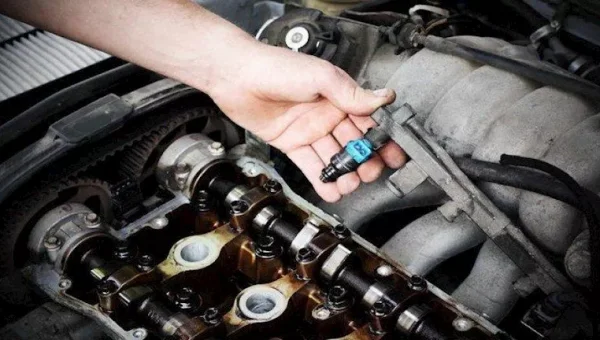
7 Car Parts That Quietly Raise Your Fuel Bill When Neglected
Seven key car components can significantly increase fuel consumption if left unmaintained: air filter, spark plugs, fuel injectors, oxygen sensor, tire pressure, engine oil, and fuel filter. Clogged or worn…

Best Time to Buy a Used Car in Egypt: Wait or Buy Now?
There is no specific month that is best for buying a used car in Egypt, because the market moves on supply and demand and vehicle condition. Falling new car prices,…
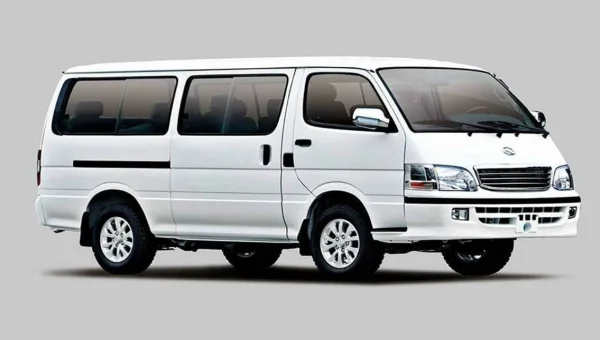
King Long Dominates Egypt Minibus Sales with 51% Share in 7 Months
King Long led Egypt's minibus sales in the first seven months of the year with a 51% market share and 3228 units sold. Golden Dragon followed with 30% and 1857…

Egypt's Plan to Expand Local Auto Components Manufacturing: From Brakes to Batteries
Egypt is expanding local manufacturing of auto components to include brakes, filters, batteries, and tires. The move coincides with growth in vehicle assembly and manufacturing activity in the Egyptian market.…