7 Car Parts That Quietly Raise Your Fuel Bill When Neglected
Seven key car components can significantly increase fuel consumption if left unmaintained: air filter, spark plugs, fuel injectors, oxygen sensor, tire pressure, engine oil, and fuel filter. Clogged or worn parts disrupt combustion efficiency and force the engine to burn extra fuel. The fix starts with sticking to routine maintenance schedules and inspecting these parts on time. Proper care of these components protects the engine and noticeably reduces monthly fuel costs.
Seven critical components in your car could be silently driving up your fuel bill. Air filter, spark plugs, fuel injectors, oxygen sensor, tire pressure, engine oil. Fuel filter top the list. Neglecting any of them hurts more than performance — it hits your wallet at every fill-up.
Routine maintenance isn't optional. Most drivers focus only on oil and coolant changes, yet several sensitive parts directly affect combustion efficiency. When the air filter clogs, the engine suffocates. It burns extra fuel trying to compensate for the lack of oxygen. The result? Less power. Higher consumption. A clogged filter on any Toyota or any other brand tells the same story.
Spark Plugs and Injectors — The Heart of Clean Combustion
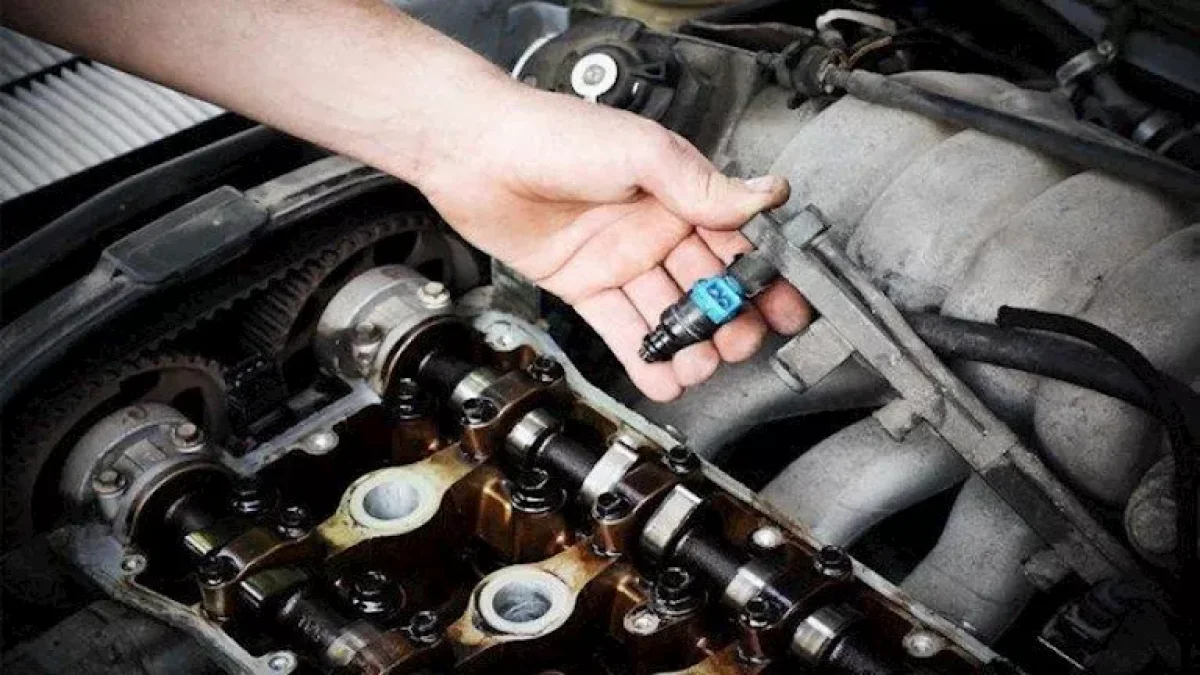
Worn spark plugs or carbon buildup weaken the ignition spark. Fuel inside the combustion chamber doesn't burn completely. Energy goes to waste. Dirty or clogged injectors spray fuel unevenly, which spikes consumption sharply. Cleaning or replacing them on schedule solves the problem fast — and restores smooth acceleration.
Oxygen Sensor — The Computer's Eye on Fuel Mixture
The oxygen sensor tells your car's computer the exact air-to-fuel ratio. When it fails, it sends wrong readings. The computer dumps more gasoline than needed. A faulty sensor won't kill resale value for used Toyota models, but it will drain your daily running budget. Check it regularly, especially if you notice sudden power loss or unexplained thirst for fuel.
Tire Pressure and Engine Oil — Small Checks, Big Savings
Low tire pressure increases the contact patch with the road. Friction rises. The engine works harder to move the car, burning extra fuel. Checking pressure monthly is a simple habit with outsized returns. Wrong engine oil or overdue changes raise internal friction too. Always use the manufacturer-recommended oil grade and replace the filter with every oil change — no exceptions.
Fuel Filter — Keeping the Flow Steady
A clogged fuel filter restricts fuel flow to the engine. Performance drops. Acceleration feels sluggish. The engine may even stumble. Drivers naturally press harder on the gas pedal to compensate, pushing consumption up without realizing why. Replacing the filter on time solves this and keeps the engine running efficiently. Regular maintenance of these seven parts doesn't just extend your car's lifespan — it cuts your monthly fuel bill in a way you can actually measure.
Frequently Asked Questions
3 questions answered
Related News
View All News
Local Assembly Drives 30.7% Growth in Egypt Truck Sales During First 7 Months
Egypt's truck sales rose 30.7% in the first seven months of the year to 19,280 units, up from 14,754 units in the same period last year. Local assembly drove this…

Best Time to Buy a Used Car in Egypt: Wait or Buy Now?
There is no specific month that is best for buying a used car in Egypt, because the market moves on supply and demand and vehicle condition. Falling new car prices,…

King Long Dominates Egypt Minibus Sales with 51% Share in 7 Months
King Long led Egypt's minibus sales in the first seven months of the year with a 51% market share and 3228 units sold. Golden Dragon followed with 30% and 1857…
Signs That Reveal Counterfeit Car Oils Before You Buy
An unlicensed warehouse in Dakahlia was seized for recycling used car oils and repackaging them in containers with famous brand names. Signs of counterfeit oils include unclear product source and…

Egypt's Plan to Expand Local Auto Components Manufacturing: From Brakes to Batteries
Egypt is expanding local manufacturing of auto components to include brakes, filters, batteries, and tires. The move coincides with growth in vehicle assembly and manufacturing activity in the Egyptian market.…