

Ford Partners with Apple to Transform Navigation Experience in Electric Vehicles
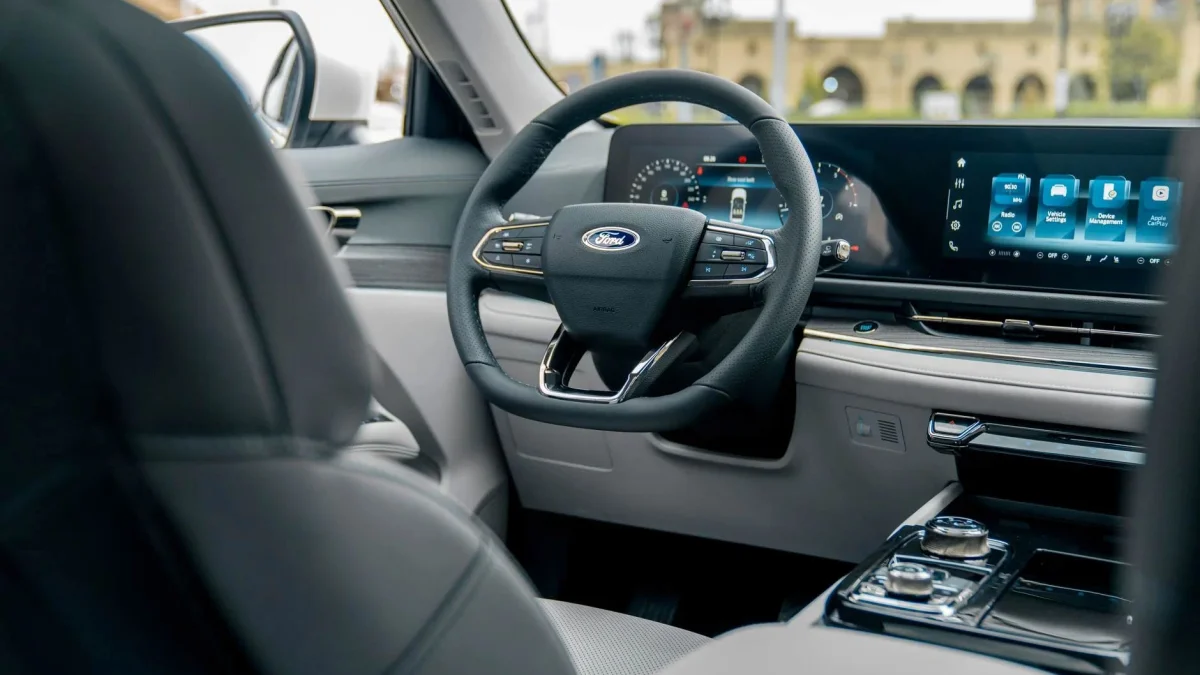
Ford has announced a new partnership with Apple to integrate Apple Maps directly into its next generation of electric vehicles, moving beyond the traditional reliance on Apple CarPlay. The new system gives drivers a built-in navigation experience that works even without connecting an iPhone.
The New UEV Platform
The technology will debut on the new Universal Electric Vehicle (UEV) platform, set to launch in 2027 with a mid-size electric truck priced at around $30,000. After that, the partnership will expand to other models in the future.
The numbers are striking. Apple Maps in Ford vehicles previously required an iPhone connection via CarPlay, but the new system will operate independently through Apple's MapKit for Automotive platform, developed specifically for car manufacturers. Drivers will get a fully integrated navigation experience on the vehicle's screen, including voice guidance, real-time traffic and incident updates, smart destination search, and map display on the instrument cluster and heads-up display if equipped.
EV-Specific Features
The most significant advantage is that the system won't just map the route, it will also account for the electric vehicle's own state. When planning a long trip, Apple Maps will calculate battery level, suggest appropriate charging stations along the way, and activate battery preconditioning before arriving at a fast-charging station — a process that raises or lowers battery temperature to achieve optimal charging speed when plugged in.
But the partnership goes beyond navigation. Ford will use detailed road data provided by Apple Maps to develop the next generation of its BlueCruise semi-autonomous driving system. This data is expected to help the system recognize highway entrances and exits, intersections, and driving lanes with greater precision, providing a smoother and safer hands-free driving experience from the start of the highway to its end.
This move raises questions about the future of Google Maps in Ford vehicles, especially since the company has relied on Google technologies for navigation and infotainment systems in recent years. Yet Ford now appears to be betting on Apple as a key player in smart driving, and this shift could redefine the relationship between the automotive industry and tech giants.
Related News
View All News
3 Valves That Protect Your Gas-Converted Car From Leaks and Overpressure
Specialists at Gastec explained that the natural gas conversion system relies on 3 main valves. The gas solenoid prevents flow when the engine stops, the filling valve secures refueling and…
NVIDIA Launches Halos SAFE Framework to Test Autonomous Driving Safety Before Trust
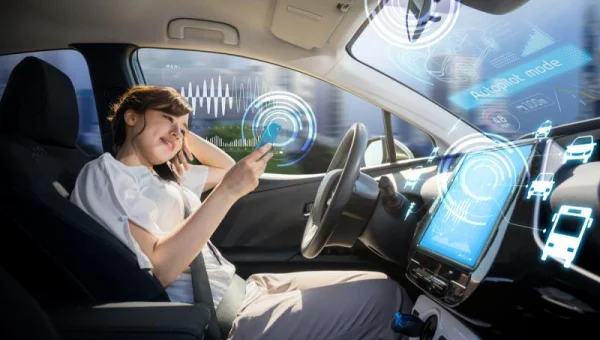
NVIDIA announced on October 21, 2026, the Halos SAFE framework to evaluate autonomous driving safety by combining virtual simulation, real-world testing, and fleet data analysis. The framework aims to produce…
Rivian Acquires Third Dimension AI to Accelerate Self-Driving Development
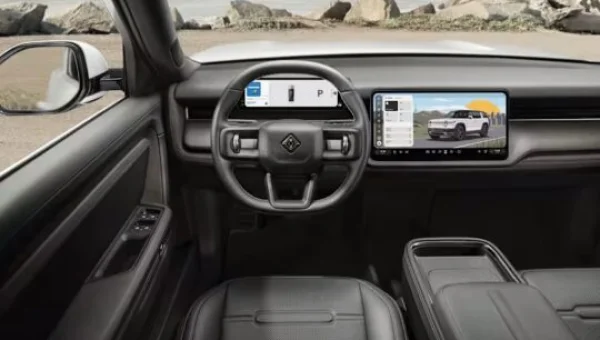
Rivian has acquired UK-based Third Dimension AI, a startup that uses AI to turn images and video into controllable 3D environments. The technology allows engineers to simulate rare and dangerous…

Agentic AI Set to Dominate Automotive Engineering: 68% of Carmakers Target Expansion Within 3 Years
A Capgemini Research Institute report reveals that 68% of automotive companies aim to increase reliance on agentic AI for non-core engineering activities to 68% within two to three years, up…
68% of Carmakers Adopt Agentic AI in Vehicle Development, Capgemini Report Finds
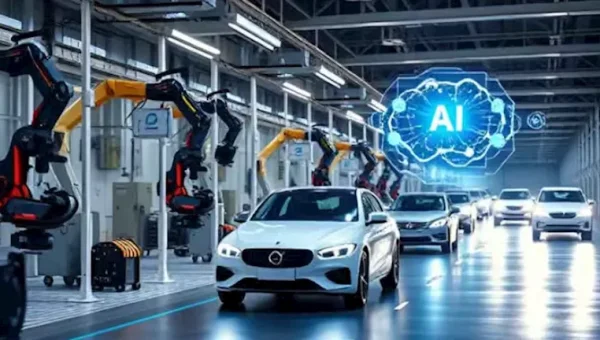
A Capgemini Research Institute report found that 68% of automotive companies are using or testing agentic AI in product development, with 33% in active use and 35% in pilot phases.…

