

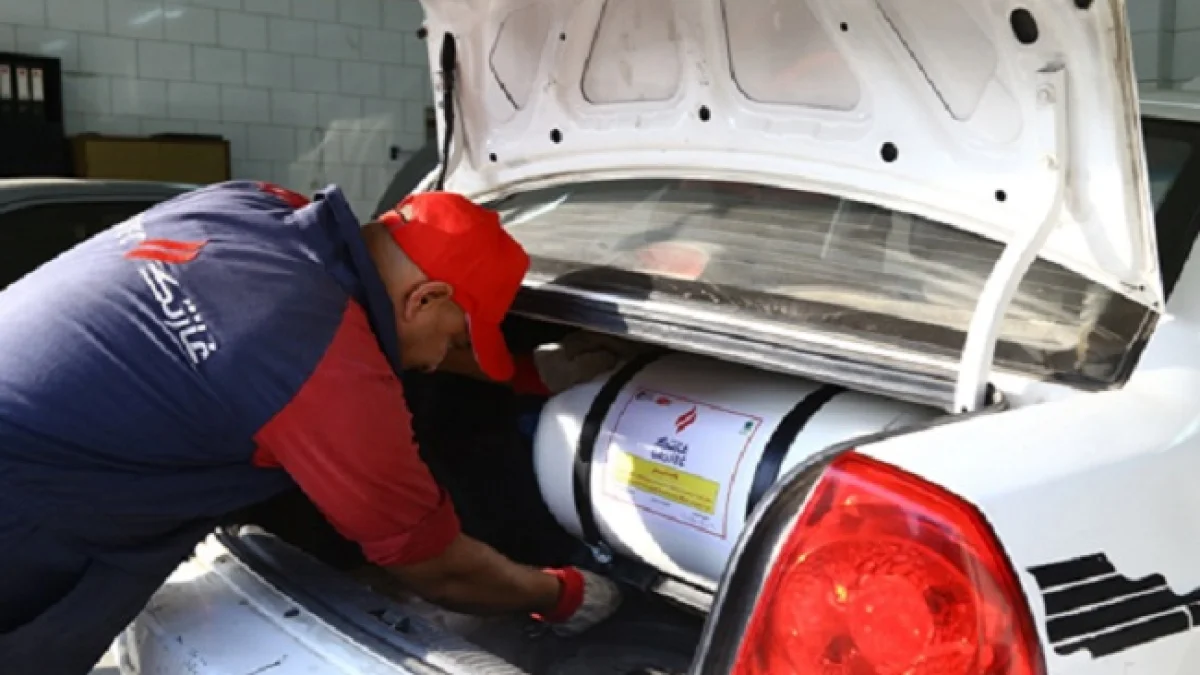
3 Valves That Protect Your Gas-Converted Car From Leaks and Overpressure
Specialists at Gastec explained that the natural gas conversion system relies on 3 main valves. The gas solenoid prevents flow when the engine stops, the filling valve secures refueling and prevents post-fill leaks, and the cylinder valve releases excess pressure and closes automatically when large amounts flow. The system aims to reduce risks and preserve vehicle and driver safety.
Three valves stand behind the safety system of any car converted to run on natural gas. The gas solenoid, filling valve, and cylinder valve are the components that protect drivers from leak and overpressure risks, according to specialists at Gastec.
Converting Cars to Gas: Safety Comes First
Converting a vehicle from petrol or diesel to natural gas is more than a fuel change. Behind it sits an integrated safety system designed to minimize potential risks and preserve vehicle and driver safety. The conversion kits used carry international specifications and are subject to procedures and requirements aimed at providing the highest safety levels during operation, refueling, and shutdown. The system is built to handle every possible scenario.
Gas Solenoid: The First Line of Defense When the Engine Stops
The first valve is the gas solenoid. Its primary function is to prevent gas flow once the engine is switched off or the vehicle breaks down. This valve acts as an automatic cut-off that closes the fuel path immediately, preventing any potential leak during sudden stops or failures. Its importance becomes clear in emergency situations where the engine needs to stop without driver intervention.
Filling Valve: Securing Refueling and Preventing Post-Fill Leaks
The second valve is the filling valve. Its role is central at refueling stations, where it secures the process of filling the cylinder with natural gas. After refueling ends, the valve ensures no gas leaks from the filling port, making it a key safety link in the entire conversion system. Any defect in this valve means a direct leak, which is why it undergoes periodic inspections.
Cylinder Valve: Protection Against Overpressure and Explosion
The third valve is the cylinder valve. It handles releasing excess pressure inside the cylinder, whether from rising ambient temperature or increased internal gas pressure, preventing any potential explosion. If the gas pipe breaks and large amounts flow from the cylinder, the valve closes automatically and limits gas flow in these emergency cases. This dual function makes it an indispensable element in any converted vehicle.
What Does This Mean for Car Owners?
Having these three valves doesn't mean absolute safety. Regular maintenance and inspection of conversion kits remain essential. Owners of gas-converted cars need to verify each valve's integrity regularly, especially the cylinder valve. That deals with the highest pressure levels. Safety is an integrated system, and these three valves are its cornerstone.
Frequently Asked Questions
3 questions answered
Related News
View All News
NVIDIA Launches Halos SAFE Framework to Test Autonomous Driving Safety Before Trust
NVIDIA announced on October 21, 2026, the Halos SAFE framework to evaluate autonomous driving safety by combining virtual simulation, real-world testing, and fleet data analysis. The framework aims to produce…

Rivian Acquires Third Dimension AI to Accelerate Self-Driving Development
Rivian has acquired UK-based Third Dimension AI, a startup that uses AI to turn images and video into controllable 3D environments. The technology allows engineers to simulate rare and dangerous…

Agentic AI Set to Dominate Automotive Engineering: 68% of Carmakers Target Expansion Within 3 Years
A Capgemini Research Institute report reveals that 68% of automotive companies aim to increase reliance on agentic AI for non-core engineering activities to 68% within two to three years, up…

68% of Carmakers Adopt Agentic AI in Vehicle Development, Capgemini Report Finds
A Capgemini Research Institute report found that 68% of automotive companies are using or testing agentic AI in product development, with 33% in active use and 35% in pilot phases.…
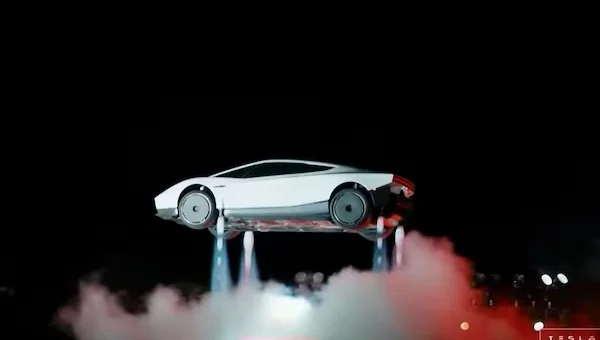
Tesla's New Roadster Jumps in the Air — But It's Not a Plane, and Regulators Are Scratching Their Heads
Tesla has revealed a new Roadster generation capable of short airborne jumps using cold-gas and compressed-air thrusters at a demonstration in Texas. The Federal Aviation Administration confirmed the vehicle does…

