Warning Against Quick Fixes: Technical Diagnosis Must Precede Catalytic Converter Removal
As car maintenance costs rise, some drivers turn to quick fixes to address poor engine performance or an illuminated Check Engine light. These solutions include removing the catalytic converter, installing oxygen sensor bypass simulators, or reprogramming the electronic control unit. However, experts warn that these procedures do not address the root cause of the problem and may lead to more serious technical and environmental complications.
Why Rushing to Remove the Catalytic Converter Is a Common Mistake
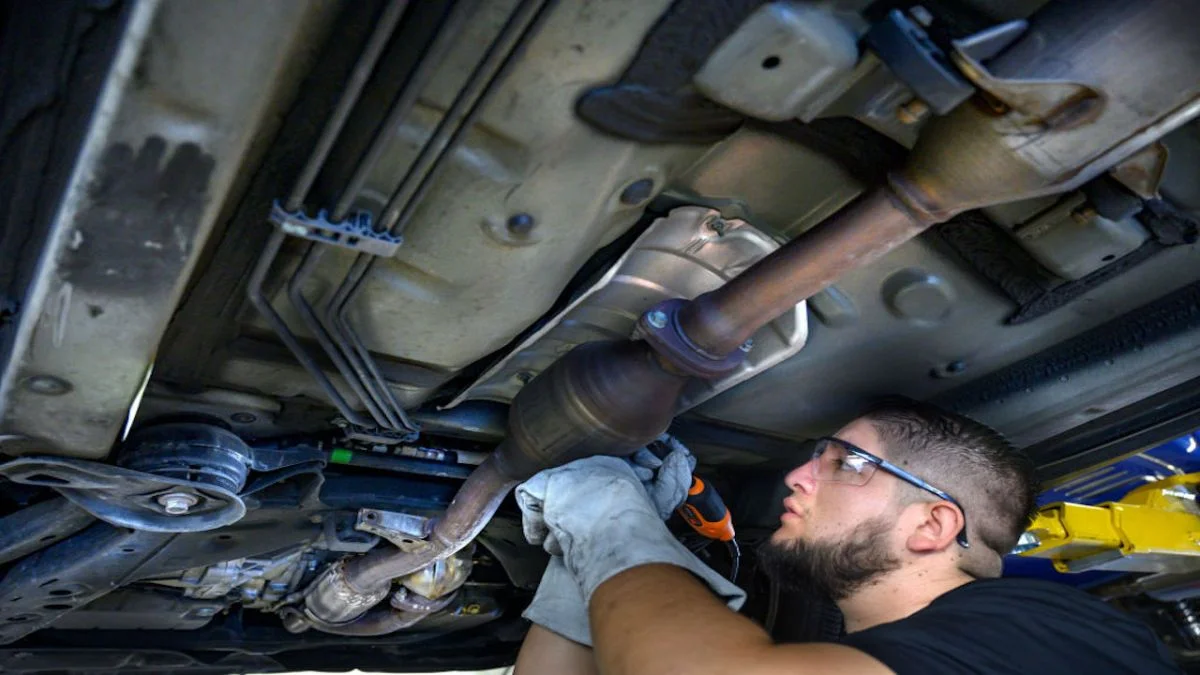
Engine mechanic expert Ayman Saeed cautioned against hastily removing the catalytic converter without conducting an accurate technical diagnosis. He emphasized that the catalytic converter is often a victim of other engine faults, not the primary cause of the issue. Saeed explained that removing it could result in the Check Engine light remaining on if the ECU is not reprogrammed, in addition to increased harmful emissions, unpleasant exhaust odors, and significantly higher engine noise with a noticeable change in sound tone.
Negative Effects Extending to Performance and Technical Inspection
Saeed added that removing the catalytic converter can affect fuel efficiency and the air-fuel mixture balance in some models. It may also cause vehicles to fail mandatory periodic technical inspections in countries with strict emission standards. He confirmed that oxygen sensor bypass simulators do not solve the fault, as their only function is to trick the ECU into turning off the warning light, while the actual blockage or damage inside the catalytic converter remains unaddressed.
Temporary Improvement Does Not Mean a Correct Solution
The expert noted that some drivers might observe a temporary improvement in engine torque if the catalytic converter is completely blocked, but this improvement does not mean its removal is the correct solution. He explained that addressing the cause of the blockage is the proper technical choice, as ignoring the underlying problem could damage any new catalytic converter installed later. Saeed stressed that the catalytic converter is often a victim of other internal engine faults, not the source of the problem.
Key Causes of Catalytic Converter Failure
Saeed outlined the main reasons leading to catalytic converter damage, including oil burning or leakage into the combustion chambers, weak spark plug or ignition coil efficiency, faulty fuel injectors, malfunctioning oxygen sensors, and incomplete combustion. He concluded by emphasizing that precise diagnosis using electronic diagnostic tools is the first and most crucial step before any intervention, to avoid wasting money and encountering more serious engine problems.
Related News
View All News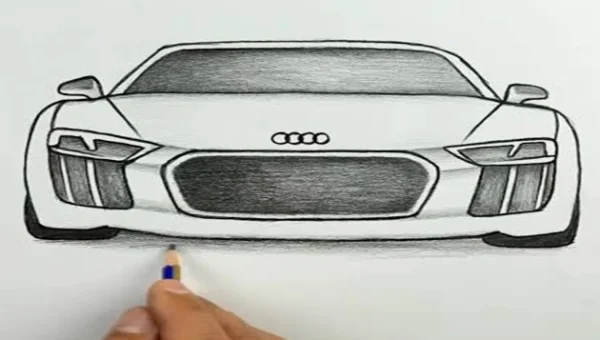
From Paper to Pavement: Inside the Making of a New Car
Developing a new car begins in the design studio with initial sketches that become a 3D digital model and then a full-size clay model. Engineering teams work in parallel to…

Tesla Drops 'Self-Driving' Name in Europe, Calls It 'Driver Assistant'
Tesla has renamed its 'Autopilot' system to 'Tesla Driver Assistant' in Europe after misleading claims. This change follows legal disputes and a retreat from full self-driving promises. In the U.S.,…

Chery Tiggo 9 CSH Survives Brutal Safety Tests: Saltwater Immersion and Underbody Impacts
Chery conducted extreme safety tests on the Tiggo 9 CSH, including a 24-hour saltwater immersion of its high-voltage battery and an underbody scraping test against a solid obstacle. Results showed…
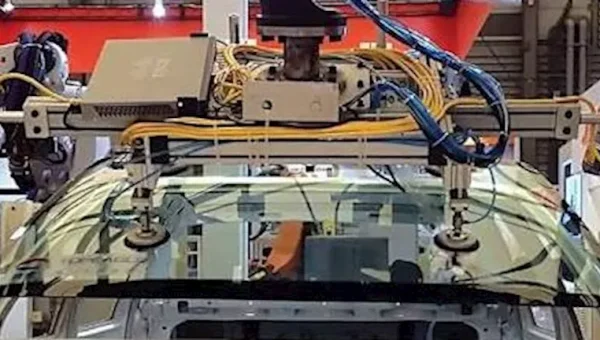
How a New Car Is Born: The Journey from Digital Sketches to the Production Line
Every new car undergoes a three-to-five-year development journey starting with segment definition and 3D digital design concepts. Engineers specify structural, powertrain, suspension, steering, and braking solutions during this phase. Prototypes…
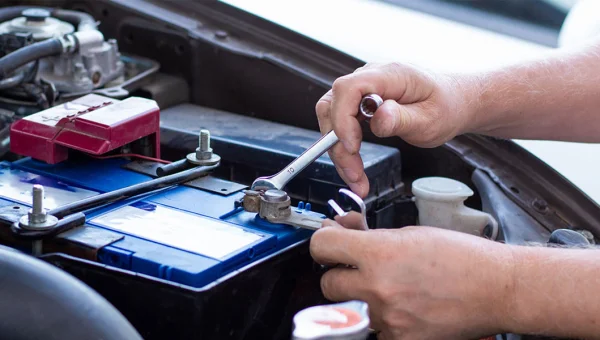
Before Replacing Your Car Battery: What Do CCA, CA, RC, and Ah Mean?
Choosing a car battery isn't just about size or price. It requires understanding the codes on the label, such as CCA, CA, RC, and Ah. CCA measures the battery's ability…