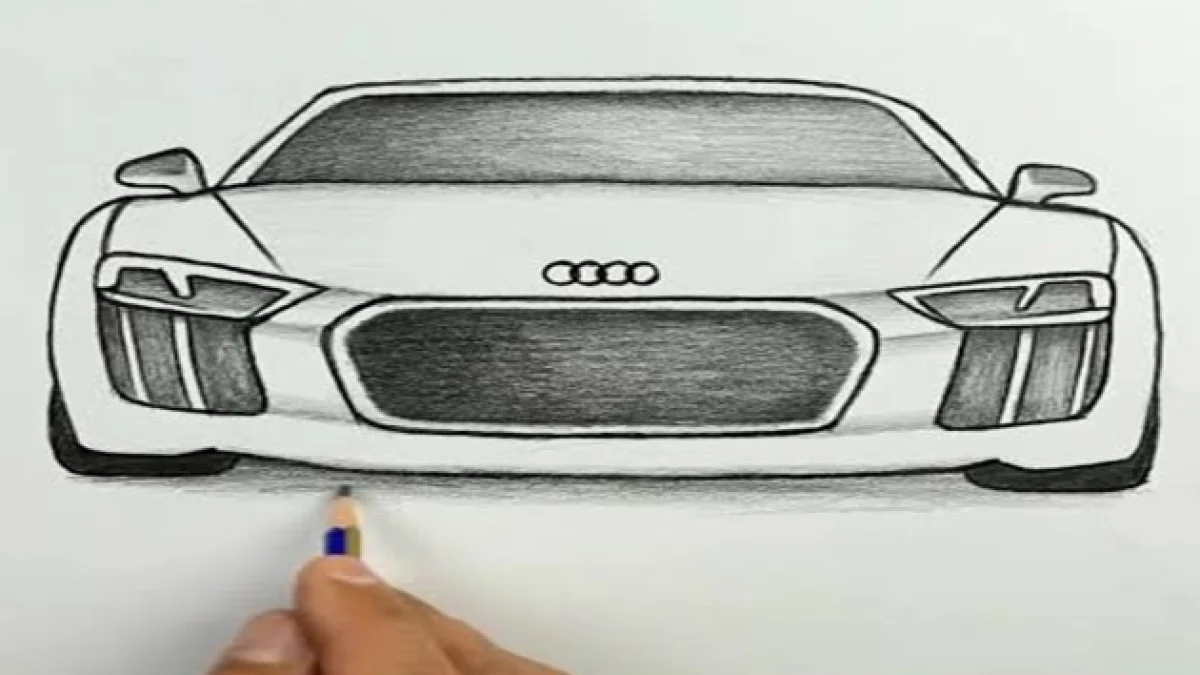
From Paper to Pavement: Inside the Making of a New Car
Developing a new car begins in the design studio with initial sketches that become a 3D digital model and then a full-size clay model. Engineering teams work in parallel to define the platform, engine, and electronic systems. The car then undergoes thousands of hours of real-world testing before receiving final production approval. The journey is not a straight line but a series of interconnected loops between design, engineering, and testing.
Every new car starts as a blank sheet of paper. Simple sketches gradually become a three-dimensional digital model, then a real test vehicle that endures thousands of hours of trials before mass production is approved. This long path separates a drawing from a showroom model. And the irony is that buyers only see the final product, while hundreds of engineers and designers work behind the scenes for years.
Why developing a car is more than design and engine
Developing a new car isn't just about exterior design and choosing an engine. It's a massive engineering project combining design, mechanics, software, aerodynamics, safety, manufacturing, and supply chains. All these elements run in parallel, and a flaw in one affects the final product. Engineers at Toyota, for instance, don't wait for designers to finish; they start work on the platform and electronic systems simultaneously.
The beginning on paper: the design studio
The journey starts inside the design studio. Designers sketch dozens or hundreds of ideas for both exterior and interior. The goal at this stage isn't a ready car but defining the model's character: sporty? family-friendly? electric? high-riding? And what type of customer does the company target? After selecting the direction closest to the brand's vision, drawings move to a more detailed stage using 3D design software. Here the real difference between a rough sketch and a study-ready model begins.
From sketch to digital model
The chosen design is converted into a 3D model that engineers and designers can view from all angles. They adjust proportions, lines, and dimensions before any real part is built. Digital models allow studying cabin space, battery or engine location, trunk volume, visibility angles. Even how passengers enter the car. At this stage, computer simulations begin for drag, load distribution, structural strength, and crash behavior. The result? Precise engineering decisions made before any metal is touched.
Clay models: where the eye tests what screens can't
Despite advances in digital design, some companies still use full-size models made of industrial clay or special materials. This model gives designers a chance to see the car in reality, check light reflections on the body. Evaluate lines and curves in a way a computer screen can't replicate. In some projects, tiny adjustments are made to the exterior after viewing the real model under different lighting. These small details make the difference between an ordinary car and one that turns heads.
Engineering works in parallel with design
While designers shape the exterior, engineering teams develop the car from the inside. They determine the platform type, suspension, engine or electric motors, transmission, brakes, steering system, battery in EVs, and electronic systems. These decisions aren't postponed until the end; they are made early because they affect the car's dimensions, weight, and cost. Toyota's new platform, for example, determines upfront whether the car can accommodate a large battery.
Testing: thousands of hours before the green light
After the prototype is complete, the car enters real-world testing. Thousands of hours on tracks, public roads, climate chambers, and crash tests. These tests aren't a luxury; they are essential because a small manufacturing error can turn into a massive recall later. Major companies like Hyundai allocate huge budgets for this phase before actual production. Only after passing all tests does the car get the final green light.
The journey from paper to production isn't a straight line. It's a series of interconnected loops between design, engineering, and testing, each affecting the other. Although buyers only see the final car, every new model represents years of meticulous work. That is what makes developing a new car a huge investment and a calculated adventure. The result? A vehicle that reaches the market after being tested in every possible condition.
Frequently Asked Questions
3 questions answered
Related News
View All News
Tesla Drops 'Self-Driving' Name in Europe, Calls It 'Driver Assistant'
Tesla has renamed its 'Autopilot' system to 'Tesla Driver Assistant' in Europe after misleading claims. This change follows legal disputes and a retreat from full self-driving promises. In the U.S.,…
Chery Tiggo 9 CSH Survives Brutal Safety Tests: Saltwater Immersion and Underbody Impacts
Chery conducted extreme safety tests on the Tiggo 9 CSH, including a 24-hour saltwater immersion of its high-voltage battery and an underbody scraping test against a solid obstacle. Results showed…
How a New Car Is Born: The Journey from Digital Sketches to the Production Line
Every new car undergoes a three-to-five-year development journey starting with segment definition and 3D digital design concepts. Engineers specify structural, powertrain, suspension, steering, and braking solutions during this phase. Prototypes…
Before Replacing Your Car Battery: What Do CCA, CA, RC, and Ah Mean?
Choosing a car battery isn't just about size or price. It requires understanding the codes on the label, such as CCA, CA, RC, and Ah. CCA measures the battery's ability…
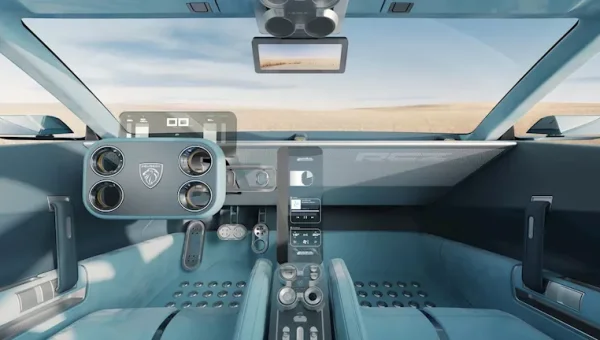
Peugeot Unveils RCZ Vision Concept with Square Steering Wheel
Peugeot has unveiled the RCZ Vision concept car featuring the Hypersquare® steering system with a square wheel and Steer-by-Wire technology. The system eliminates mechanical linkages and offers a maximum steering…