How a New Car Is Born: The Journey from Digital Sketches to the Production Line
Every new car undergoes a three-to-five-year development journey starting with segment definition and 3D digital design concepts. Engineers specify structural, powertrain, suspension, steering, and braking solutions during this phase. Prototypes then face comprehensive performance, durability, noise, vibration, and safety testing before production begins. Major automakers like Toyota, Hyundai, and Nissan invest billions in R&D to speed up the process without compromising quality.
Every new car that reaches showroom floors has survived a grueling engineering gauntlet stretching from the first design sketch to the final assembly check. Building a vehicle isn't about picking a pretty body style. It demands rigorous analysis of every mechanical and electrical component. The process takes years.
From Concept to Digital Design: Where Every New Car Begins
Development kicks off by defining the target segment, expected usage patterns, and desired specifications. Designers produce initial concepts for the exterior and cabin. That then evolve into three-dimensional digital models allowing engineers to study dimensions and component layout before any physical build starts. Simultaneously, engineering teams specify structural solutions, powertrain architecture, suspension, steering. Braking systems based on the vehicle's purpose and technology. Nothing is left to chance.
Prototypes: The Real-World Reckoning
Once designs and engineering solutions are locked in, prototype manufacturing begins to evaluate whether the concept holds up under real conditions. These prototypes face performance testing, control system evaluation. Brake assessment, alongside durability, noise, vibration, and mandatory safety tests. This stage exposes flaws before mass production. Catching problems here saves fortunes later.
Competitors in the Egyptian market like the Toyota Corolla and Hyundai Elantra went through this same journey before launch. Every model endures years of development and testing to meet quality and safety standards across different markets. The Kia Sportage followed the same path.
The Production Line: Moment of Truth
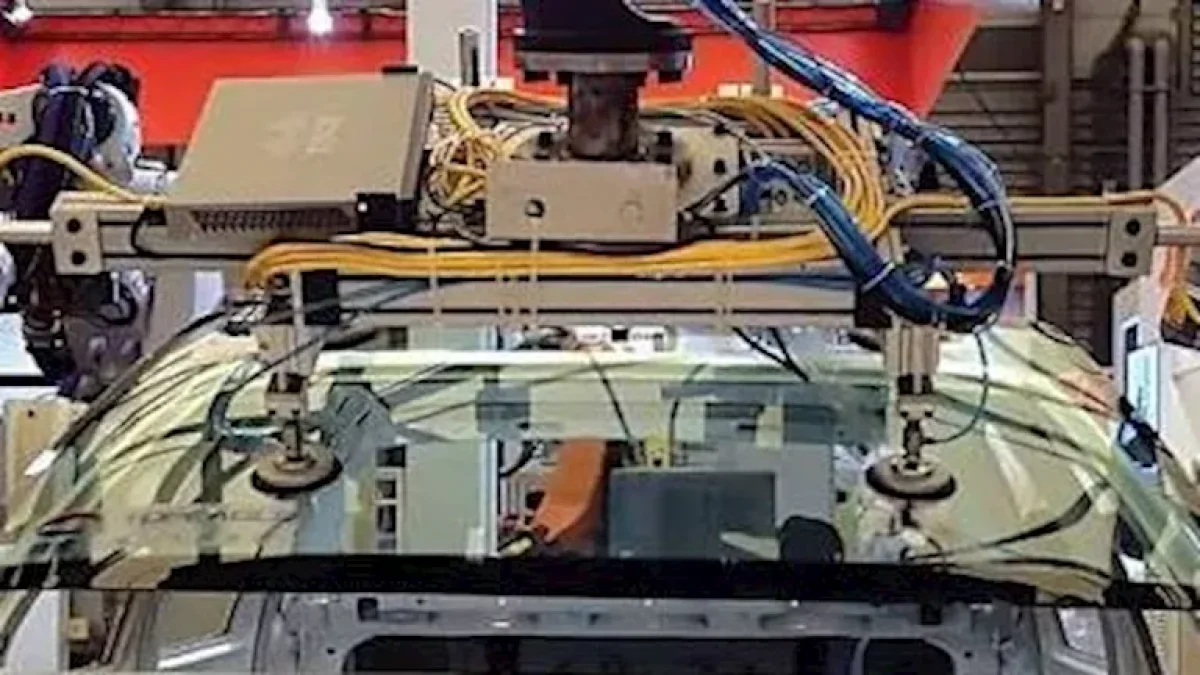
After successful testing, the project moves to actual production where components are assembled and inspected before reaching distributors. Modern factories deploy advanced automation to ensure assembly precision and reduce human error. Manufacturing quality here determines a model's reputation for years. No shortcuts allowed.
This journey typically takes three to five years from design to production. Companies like Nissan, Hyundai. Kia invest billions in R&D centers to accelerate the process without sacrificing quality. The end result is a vehicle ready to compete.
Frequently Asked Questions
3 questions answered
Related News
View All News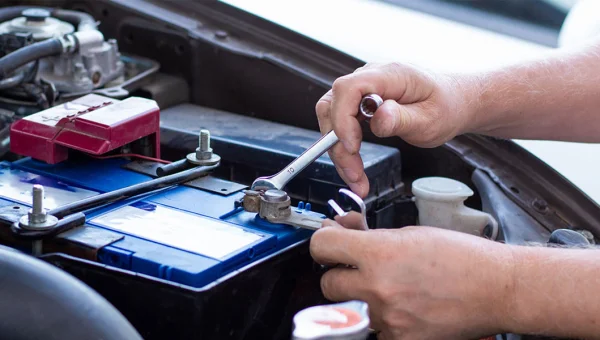
Before Replacing Your Car Battery: What Do CCA, CA, RC, and Ah Mean?
Choosing a car battery isn't just about size or price. It requires understanding the codes on the label, such as CCA, CA, RC, and Ah. CCA measures the battery's ability…
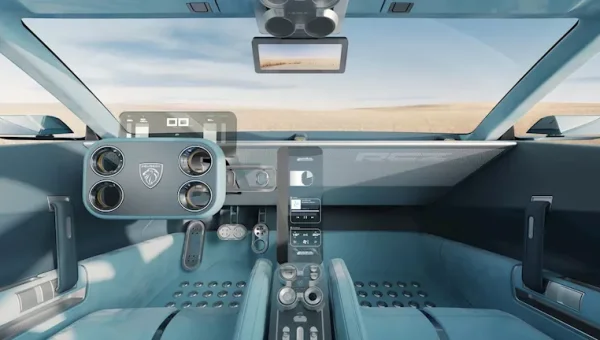
Peugeot Unveils RCZ Vision Concept with Square Steering Wheel
Peugeot has unveiled the RCZ Vision concept car featuring the Hypersquare® steering system with a square wheel and Steer-by-Wire technology. The system eliminates mechanical linkages and offers a maximum steering…

Betty Deploys Hydrogen Injection Tech in 104 Vehicles to Cut Emissions by 20%
Betty, a subsidiary of Almarai, has begun deploying hydrogen injection technology across 104 vehicles in its distribution fleet to reduce emissions by up to 20%. The project is in partnership…
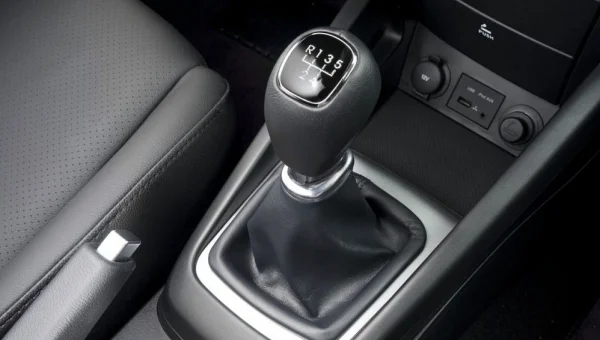
Porsche Explores Manual Feel in EV Era: Patent Reveals Real Gearbox with Electric Motor
Porsche has filed a patent for a mechanical gearbox designed for electric motors, featuring two mechanical gear ratios and a real clutch. The original filing dates back to March 2013,…
Not Fully Electric: What Does the PHEV Badge on Some Cars Really Mean?
PHEV cars are plug-in hybrids that combine a petrol engine with an electric motor and a larger battery than traditional hybrids. They can drive on electricity for a set distance…