Tesla Drops 'Self-Driving' Name in Europe, Calls It 'Driver Assistant'
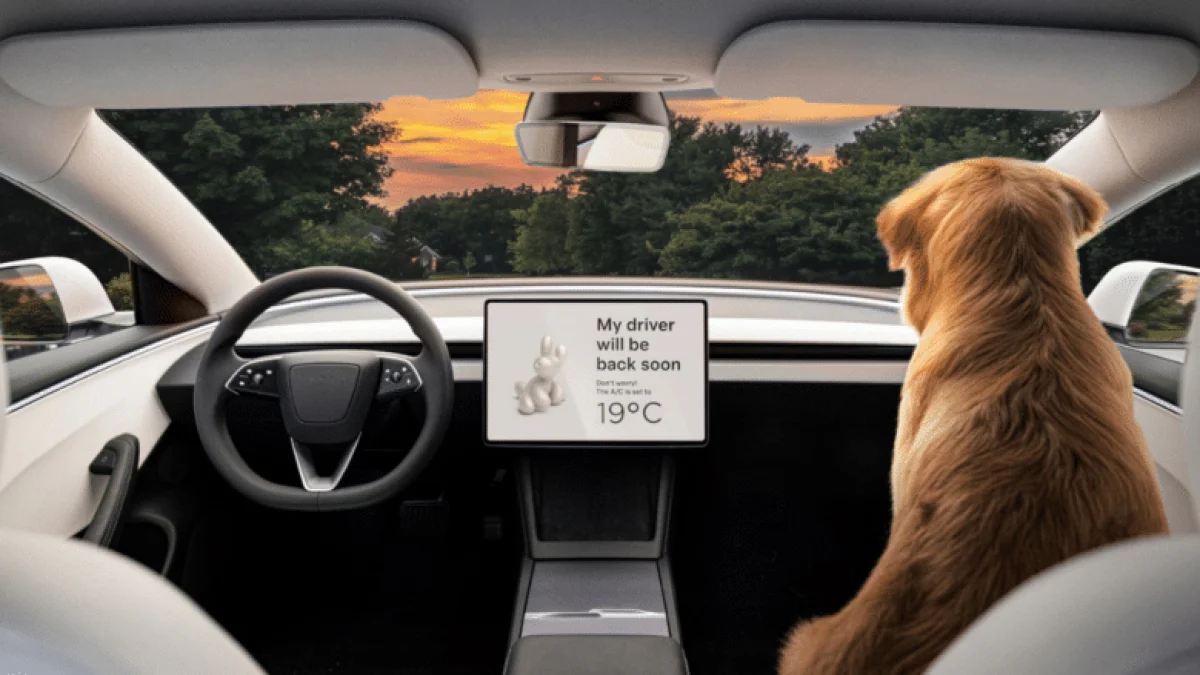
Tesla has renamed its 'Autopilot' system to 'Tesla Driver Assistant' in Europe after misleading claims. This change follows legal disputes and a retreat from full self-driving promises. In the U.S., the system is still called 'Full Self-Driving (Supervised)' amid ongoing debate. The move reflects a shift toward transparency with consumers.
Tesla has officially renamed its 'Autopilot' system to 'Tesla Driver Assistant' in the European market, ending years of disputes and misleading claims. This move signals a step back from the company's ambitious promises of full self-driving in Europe, as the system is now positioned as an electronic driver assistant. The change follows mounting legal and regulatory pressure across the continent.
Background of Disputes and Allegations
Since the 'Autopilot' name was introduced, Tesla has faced repeated accusations that the name implied full self-driving capabilities, while the system actually requires a driver to remain in control at all times. Although the company consistently denied these claims, legal pressures in Europe forced the name change. This step came after a series of regulatory cases focused on consumer safety and clear information.
Status in the United States
In the U.S., the system still bears the name 'Full Self-Driving (Supervised)', amid ongoing debate over the accuracy of that description. Despite Elon Musk's repeated promises over a decade that fully autonomous cars were just around the corner, Tesla only recently began producing a robotaxi—and in very limited numbers. This gap between promises and reality raises questions about the current technology's viability. The Tesla Model Y remains one of the key models relying on these systems globally.
Impact on the European Market
What does this change mean for car buyers in Europe? It's a step toward greater transparency, as consumers now understand the system is merely an assistant, not full self-driving. This clarity may boost long-term trust, but it could limit the appeal of Tesla cars that marketed themselves as leaders in self-driving. Observers wonder if this will affect Tesla prices in the secondary market.
Future and Challenges
The road ahead is long. Tesla faces stiff competition from the likes of Mercedes and BMW. That are also developing self-driving systems. While Tesla bets on software updates, the question remains: can it deliver on Musk's years-old promises? The answer may define its place in the EV market.
Frequently Asked Questions
3 questions answered
Related News
View All News
Chery Tiggo 9 CSH Survives Brutal Safety Tests: Saltwater Immersion and Underbody Impacts
Chery conducted extreme safety tests on the Tiggo 9 CSH, including a 24-hour saltwater immersion of its high-voltage battery and an underbody scraping test against a solid obstacle. Results showed…
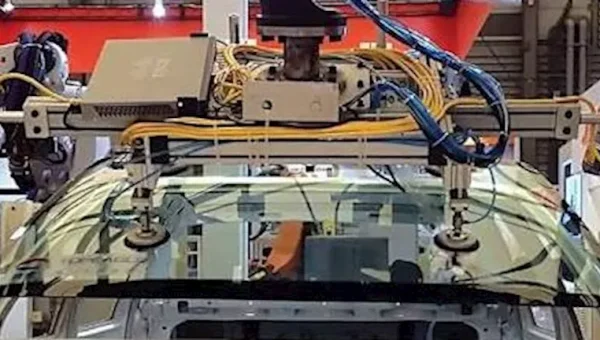
How a New Car Is Born: The Journey from Digital Sketches to the Production Line
Every new car undergoes a three-to-five-year development journey starting with segment definition and 3D digital design concepts. Engineers specify structural, powertrain, suspension, steering, and braking solutions during this phase. Prototypes…
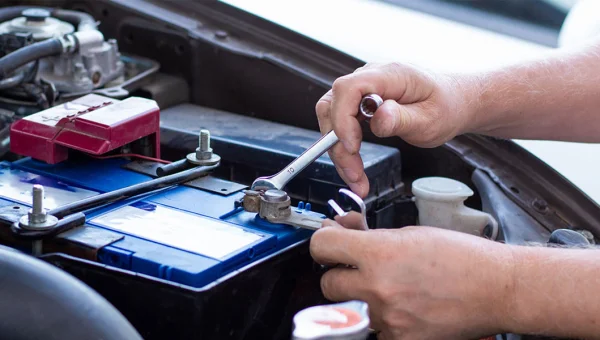
Before Replacing Your Car Battery: What Do CCA, CA, RC, and Ah Mean?
Choosing a car battery isn't just about size or price. It requires understanding the codes on the label, such as CCA, CA, RC, and Ah. CCA measures the battery's ability…
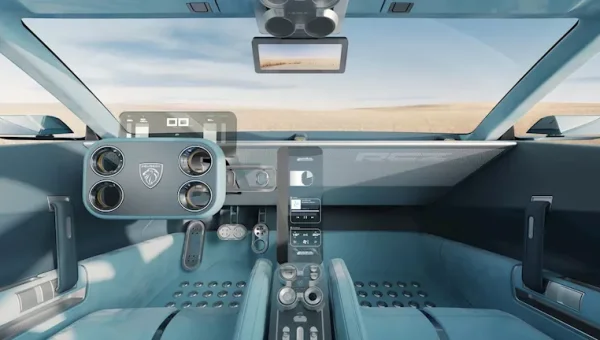
Peugeot Unveils RCZ Vision Concept with Square Steering Wheel
Peugeot has unveiled the RCZ Vision concept car featuring the Hypersquare® steering system with a square wheel and Steer-by-Wire technology. The system eliminates mechanical linkages and offers a maximum steering…
Betty Deploys Hydrogen Injection Tech in 104 Vehicles to Cut Emissions by 20%
Betty, a subsidiary of Almarai, has begun deploying hydrogen injection technology across 104 vehicles in its distribution fleet to reduce emissions by up to 20%. The project is in partnership…