Not Fully Electric: What Does the PHEV Badge on Some Cars Really Mean?
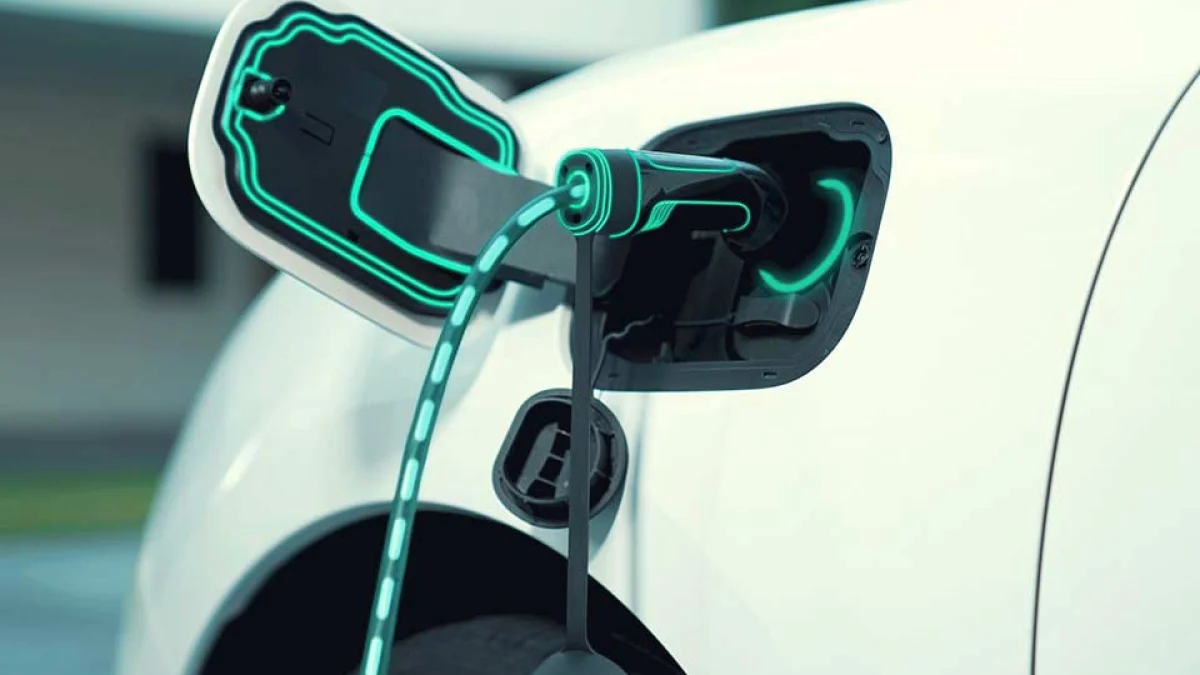
PHEV cars are plug-in hybrids that combine a petrol engine with an electric motor and a larger battery than traditional hybrids. They can drive on electricity for a set distance before the fuel engine takes over, offering more flexibility than pure electric vehicles. But fuel savings are not guaranteed if the battery is not charged regularly. In the Egyptian market, PHEV can be a practical choice for those wanting electric driving without range anxiety.
The PHEV badge is showing up more often on new models, including those listed in Toyota prices and other brands, but it doesn't mean the car is fully electric. PHEV stands for Plug-in Hybrid Electric Vehicle — a car that combines a petrol or diesel engine with an electric motor and a battery that can be charged from an external power source.
How Do PHEV Cars Work?
The car can drive on electricity alone for a set distance that depends on battery capacity. Once the charge drops, the internal combustion engine kicks in, either on its own or alongside the electric motor. This means the car doesn't rely entirely on a charging station like pure electric vehicles, nor does it depend solely on the petrol engine like a conventional car.
How PHEV Differs from HEV and EV
A traditional hybrid HEV also has a petrol engine and an electric motor, but it doesn't need to be plugged into an external charger in normal use because the battery charges while driving through the engine and regenerative braking. PHEV, by contrast, usually has a larger battery and can be charged at home or at a charging station, allowing it to cover a longer distance on electricity alone. A full electric vehicle EV or BEV has no internal combustion engine at all and relies entirely on the battery and electric motors. PHEV keeps a petrol engine alongside the electric system, so the journey can continue even after the electric charge runs out as long as there is fuel in the tank.
Why Some Drivers Choose PHEV
The main advantage is combining daily electric use with the ability to travel long distances without depending entirely on the charging network. If daily trips are short and the car is charged regularly, a large portion of them can be done on electricity only, while the petrol engine handles longer journeys. But does it always save fuel? Not necessarily. If the battery isn't charged regularly or trips are long, the petrol engine may consume more fuel than expected, especially with the added weight of the battery and electric system.
Is PHEV Right for the Egyptian Market?
In Egypt, where charging stations are still spreading slowly in some areas, PHEV can be a practical option for someone who wants to experience electric driving without worrying about range. Still, it isn't the perfect solution for everyone. The real benefit depends on daily driving patterns and having a home charging source. A pure electric car might be better for those who only drive short distances, while a traditional hybrid remains easier to live with for anyone who doesn't want the hassle of external charging.
Frequently Asked Questions
3 questions answered
Related News
View All News
How to Keep Your Car Battery Alive in Winter: 7 Practical Tips to Avoid Breakdowns
Car batteries are affected by cold winter temperatures, reducing their ability to start the engine. Tips include avoiding short trips, reducing electrical loads, cleaning terminals, turning off devices before leaving,…
Before Changing Your Car Oil: 5 Steps to Choose the Right Type for Your Engine
Choosing the right engine oil depends on the manufacturer's recommendations in the owner's manual, not on price or brand. Viscosity numbers like 5W-30 determine oil performance at different temperatures, and…

Do Egyptian Cars Really Need Winter Tires During Weather Shifts?
As winter approaches, many wonder whether winter tires are needed in Egypt. The mild climate in most regions makes summer or all-season tires sufficient. But in mountainous areas or those…
Traffic Reveals the Difference: Why Wet DCT Handles Heat Better Than Dry
Dual-clutch transmissions come in two versions: dry and wet. Wet DCT runs its clutches in oil, which absorbs heat and cools components, making it more tolerant of traffic and high…
Car Fire Extinguisher: Prices, Shelf Life, and How to Use It Correctly
Car fire extinguishers are a key safety item, with prices in Egypt ranging from EGP 900 to EGP 950 for basic models. Water, dry powder, and foam extinguishers should be…