
Do Egyptian Cars Really Need Winter Tires During Weather Shifts?
As winter approaches, many wonder whether winter tires are needed in Egypt. The mild climate in most regions makes summer or all-season tires sufficient. But in mountainous areas or those experiencing sharp temperature drops or snowfall, winter tires become necessary for better grip. Egypt has no laws mandating them, but road condition awareness remains key.
As winter approaches and temperatures drop, a question arises: do cars in Egypt really need winter tires? The short answer is no for most Egyptian regions. The country's mild climate for most of the year makes summer or all-season tires suitable for everyday driving. But exceptions exist in some mountainous or coastal areas that may see sharp temperature drops or snowfall, where winter tires become a worthy consideration. The key figure: winter tires are designed for temperatures below 7°C.
When Are Winter Tires Actually Necessary?
Weather conditions are the deciding factor. Winter tires become more important in areas with regular snowfall or ice, or when temperatures consistently drop below 7°C. These tires feature a rubber compound that stays flexible in cold weather, plus a tread design that improves grip on snowy surfaces. Summer tires, But may lose some efficiency in these conditions, affecting stopping distance and control. But here's the question: do we see these conditions in Cairo or Alexandria? Rarely.
Local Laws and Global Practices
Some European countries, especially in the north and center, mandate winter tires during specific periods or under certain weather conditions. These requirements vary from one country to another, so drivers should check local rules before driving in harsh winter regions. In Egypt, no laws require winter tires, but road condition awareness remains essential. Driving on wet or muddy roads in Marsa Matrouh or Saint Catherine, for example, may require extra caution, but it doesn't necessarily force a tire change.
All-Season Tires: The Practical Alternative
For those seeking a middle ground without changing tires every season, all-season tires offer a good balance between warm and cold weather performance. They suit most Egyptian regions where winter is mild and snow is rare. But if you frequently drive in cold coastal or mountainous areas, you might need true winter tires. The decision depends on your daily usage and the road conditions you face.
The Bottom Line: No Need to Worry in Most Cases
For most residents of major cities like Cairo, Giza. Alexandria, summer or all-season tires are perfectly adequate. There's no need to switch to winter tires. But if you live in mountainous areas or regularly travel to cold regions, it might be wise to consider winter tires. The rule is simple: if temperatures don't consistently drop below 7°C and you don't see snow on your roads, you don't need them.
Frequently Asked Questions
3 questions answered
Related News
View All NewsTraffic Reveals the Difference: Why Wet DCT Handles Heat Better Than Dry
Dual-clutch transmissions come in two versions: dry and wet. Wet DCT runs its clutches in oil, which absorbs heat and cools components, making it more tolerant of traffic and high…
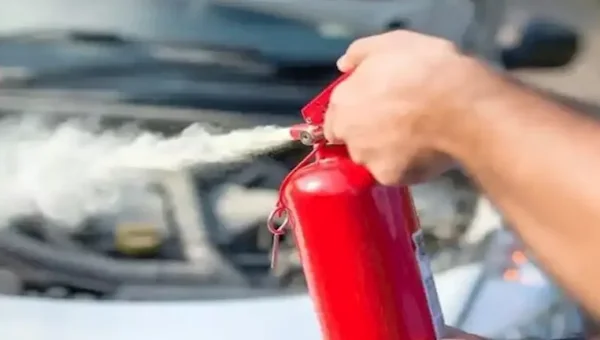
Car Fire Extinguisher: Prices, Shelf Life, and How to Use It Correctly
Car fire extinguishers are a key safety item, with prices in Egypt ranging from EGP 900 to EGP 950 for basic models. Water, dry powder, and foam extinguishers should be…

Tesla Pressures Europe to Approve FSD Amid Safety Expert Doubts
Tesla is pushing European regulators to speed up approval of its Full Self-Driving (FSD) system, citing a media campaign claiming delays cause road deaths. The company secured a Dutch approval…

Chinese Invasion: Baidu's 4,000 Robotaxis Head to Europe and Beyond
Chinese company Baidu announced plans to deploy over 4,000 self-driving taxis worldwide, with half heading to Europe in partnership with Uber. The collaboration will start in the Croatian city of…
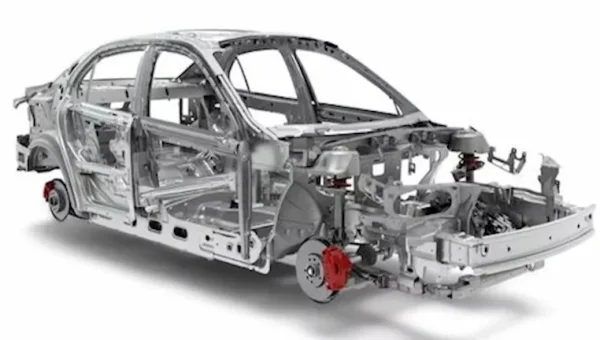
Not All Parts Wear Out: The Car Components That Last a Lifetime
Some car components are engineered to last the entire vehicle lifespan without routine replacement. The chassis, internal safety cage, and steering column are the most notable fixed parts that never…