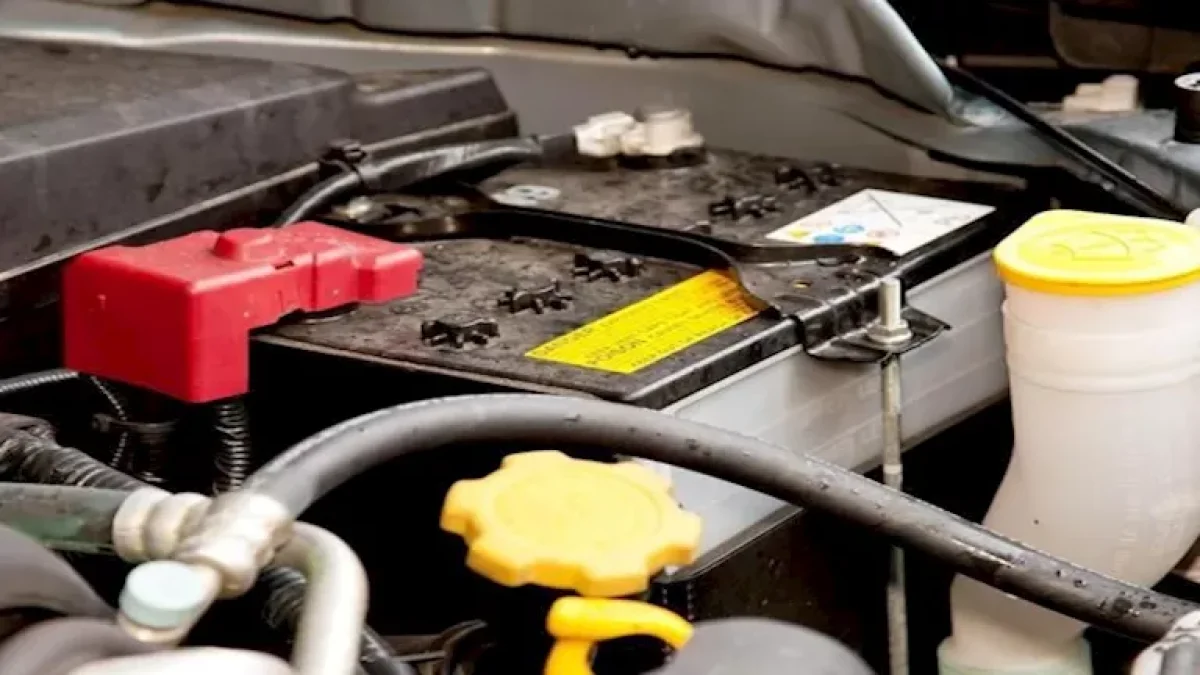
How to Keep Your Car Battery Alive in Winter: 7 Practical Tips to Avoid Breakdowns
Car batteries are affected by cold winter temperatures, reducing their ability to start the engine. Tips include avoiding short trips, reducing electrical loads, cleaning terminals, turning off devices before leaving, and checking voltage regularly. A fully charged conventional battery reads about 12.6 volts, and a professional test is recommended to assess its true condition. Regular maintenance and early inspection prevent sudden breakdowns.
As winter approaches and temperatures drop, many drivers struggle to start their engines due to a weak car battery or low charge. Cold weather directly affects the battery's ability to deliver the power needed for ignition. The problem can turn into a full breakdown if not addressed early. But how can you prevent it?
Why Does a Battery Weaken in Cold Weather?
Low temperatures slow down the chemical reactions inside the battery, reducing its ability to produce electric current. According to experts, checking the battery before cold weather sets in becomes essential, especially if it's old or shows signs of weakness like slow engine cranking or frequent need for recharging. Yet many drivers ignore these signs until they are completely stranded.
Practical Tips to Maintain Your Car Battery
Avoid Frequent Short Trips
Short trips don't give the battery enough time to recover the energy used during engine starts, especially when electrical devices are in use. Try to minimize these trips as much as possible, knowing that recharge time varies based on battery condition, charging system, and driving conditions.
Reduce Electrical Loads at Start-Up
Before starting the engine, turn off unnecessary devices such as seat heating, entertainment system, and extra lighting. This reduces electrical loads during ignition—crucial in cold weather. It's a simple but effective step.
Clean Battery Terminals
Inspect the battery terminals and make sure they are free from corrosion and deposits. That connections are tight. Corroded terminals or loose connections can cause starting difficulties. Seek a technician when cleaning or maintenance is needed.
Turn Off Electrical Devices Before Leaving the Car
Leaving headlights or some electrical devices on after the engine stops can drain the battery quickly. Make sure to turn off lights and equipment that don't shut off automatically before leaving the vehicle.
Check Battery Condition and Voltage
Regular checks help detect battery weakness before failure. A fully charged conventional battery reads about 12.6 volts or more when measured with the engine off after the charge stabilizes. But voltage reading alone isn't always enough to judge its condition; the battery may need a specialized test to determine its actual cranking ability.
Keep the Battery Clean and Secure
Ensure the battery is firmly mounted, as vibrations can damage internal plates. Clean the battery surface from dust and oils, which can cause slow electrical leakage.
Drive Regularly for Reasonable Distances
If your car is parked for long periods, start it occasionally and drive a sufficient distance to charge the battery. Driving for at least 20-30 minutes helps recharge. Don't leave the car without starting for weeks.
When Does the Battery Need Replacement?
The average battery lifespan ranges from 3 to 5 years, depending on conditions. If you notice repeated slow cranking, dimming lights during start-up, or swelling of the battery case, these are signs that replacement is due. Don't wait until it fails completely on a cold day. Regular maintenance and early inspection save you the cost of sudden breakdowns.
Frequently Asked Questions
3 questions answered
Related News
View All News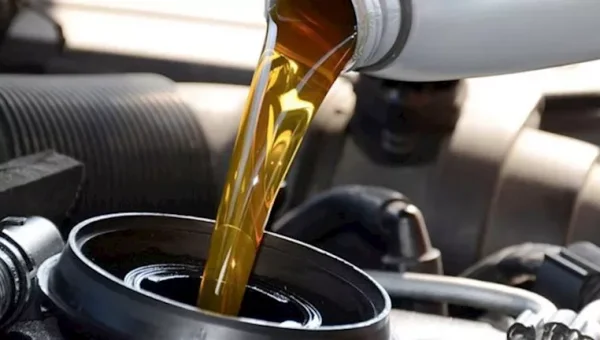
Before Changing Your Car Oil: 5 Steps to Choose the Right Type for Your Engine
Choosing the right engine oil depends on the manufacturer's recommendations in the owner's manual, not on price or brand. Viscosity numbers like 5W-30 determine oil performance at different temperatures, and…
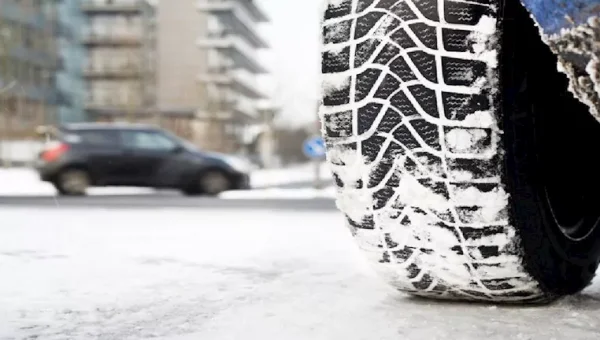
Do Egyptian Cars Really Need Winter Tires During Weather Shifts?
As winter approaches, many wonder whether winter tires are needed in Egypt. The mild climate in most regions makes summer or all-season tires sufficient. But in mountainous areas or those…
Traffic Reveals the Difference: Why Wet DCT Handles Heat Better Than Dry
Dual-clutch transmissions come in two versions: dry and wet. Wet DCT runs its clutches in oil, which absorbs heat and cools components, making it more tolerant of traffic and high…
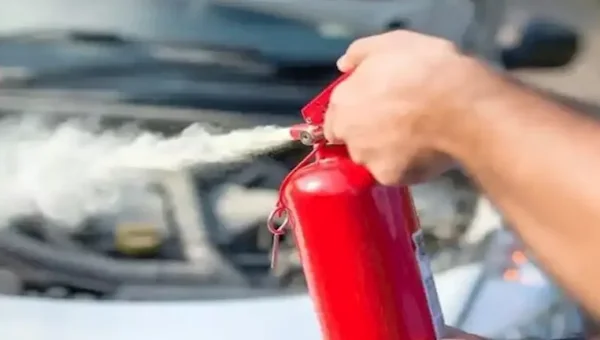
Car Fire Extinguisher: Prices, Shelf Life, and How to Use It Correctly
Car fire extinguishers are a key safety item, with prices in Egypt ranging from EGP 900 to EGP 950 for basic models. Water, dry powder, and foam extinguishers should be…

Tesla Pressures Europe to Approve FSD Amid Safety Expert Doubts
Tesla is pushing European regulators to speed up approval of its Full Self-Driving (FSD) system, citing a media campaign claiming delays cause road deaths. The company secured a Dutch approval…