Traffic Reveals the Difference: Why Wet DCT Handles Heat Better Than Dry
Dual-clutch transmissions come in two versions: dry and wet. Wet DCT runs its clutches in oil, which absorbs heat and cools components, making it more tolerant of traffic and high torque. Dry DCT offers better fuel efficiency but struggles with repeated low-speed slipping and heat buildup. For city driving in hot climates, the wet version is the safer long-term choice.
Dual-clutch transmission (DCT) is spreading across more new cars, offering fast shifts and strong fuel efficiency. But with two main versions out there — dry and wet — buyers face a real question. Which one can actually take the heat and survive daily traffic jams?
How Does a DCT Work?
Think of a DCT as two manual gearboxes working together, controlled electronically. It runs two separate clutches — one handles the odd gears, the other the even ones. While you're driving, the system has already pre-selected the next gear. Then it swaps clutches in milliseconds. That cuts shift time and sharpens response compared to many traditional automatics. Schaeffler says this setup allows gear changes in fractions of a second with almost no interruption in power. Yet that same design makes low-speed behavior different from a conventional automatic with a torque converter.
Dry vs. Wet DCT: The Core Difference
In a dry DCT, the clutch plates run without oil immersion. Heat escapes mainly through the surrounding air. This setup is simpler and delivers high mechanical efficiency because there's no oil drag. That's why it's common in small and mid-size engines with lower torque. A wet DCT does the opposite — the clutches sit in oil that absorbs heat and cools the plates. That higher cooling capacity lets the wet version handle more torque and heavier thermal loads. Automakers use it in stronger cars or applications that need sustained pressure tolerance.
Why Traffic Is Tough on DCT
Stop-and-go traffic puts serious stress on a dual-clutch gearbox. The car inches forward then stops, over and over. This forces the clutches to slip repeatedly to deliver torque at very low speeds. Slipping generates heat. In a dry DCT, there's no oil to soak up that heat, so clutch temperatures can spike and wear accelerates. Summer temperatures make it worse. Some cars may even limit launch smoothness or emit burning smells. The wet type handles this far better because oil disperses heat more effectively.
Does That Make Dry DCT a Bad Choice?
Not at all. It depends on how and where you drive. In crowded cities, a wet DCT is usually the safer bet for long-term durability. On open roads with smooth driving, the dry version shines with better fuel economy and sharp response. Some automakers have improved dry DCT reliability significantly, but the fundamental cooling gap remains. If you're shopping for a daily car in heavy traffic, the wet version offers a stronger buffer against heat and torque demands.
As more BMW, Hyundai, and Kia models adopt DCT, the question matters more than ever. The dry vs. wet difference isn't just a technical footnote — it shapes driving feel and gearbox lifespan in brutal traffic. If you're eyeing a used Toyota Corolla or Nissan Sunny, check the transmission type before you commit.
Frequently Asked Questions
3 questions answered
Related News
View All News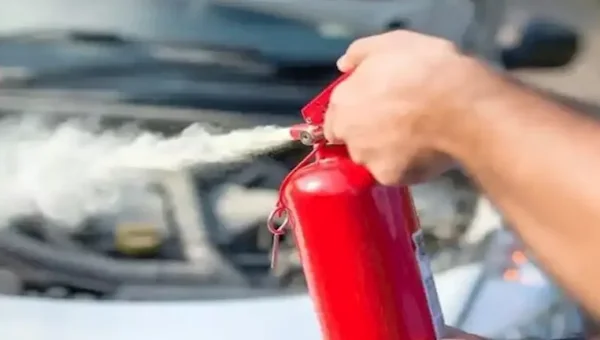
Car Fire Extinguisher: Prices, Shelf Life, and How to Use It Correctly
Car fire extinguishers are a key safety item, with prices in Egypt ranging from EGP 900 to EGP 950 for basic models. Water, dry powder, and foam extinguishers should be…

Tesla Pressures Europe to Approve FSD Amid Safety Expert Doubts
Tesla is pushing European regulators to speed up approval of its Full Self-Driving (FSD) system, citing a media campaign claiming delays cause road deaths. The company secured a Dutch approval…

Chinese Invasion: Baidu's 4,000 Robotaxis Head to Europe and Beyond
Chinese company Baidu announced plans to deploy over 4,000 self-driving taxis worldwide, with half heading to Europe in partnership with Uber. The collaboration will start in the Croatian city of…
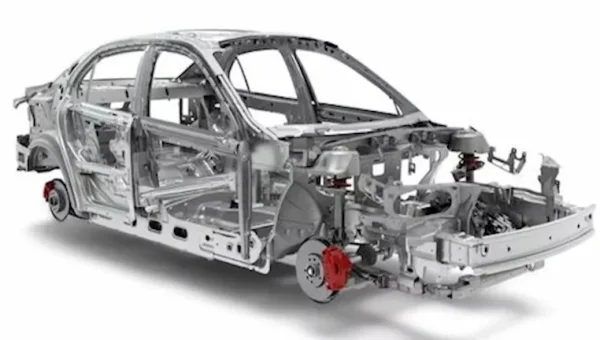
Not All Parts Wear Out: The Car Components That Last a Lifetime
Some car components are engineered to last the entire vehicle lifespan without routine replacement. The chassis, internal safety cage, and steering column are the most notable fixed parts that never…
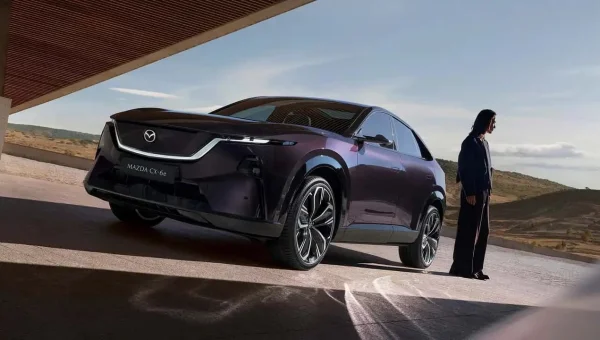
Mazda CX-6e EV Can Talk to Pedestrians via External Speaker — and It's Sparking Debate
Mazda has unveiled the External Announcement system in its CX-6e electric vehicle, an external speaker mounted on the front that allows the driver to broadcast pre-recorded or custom messages to…