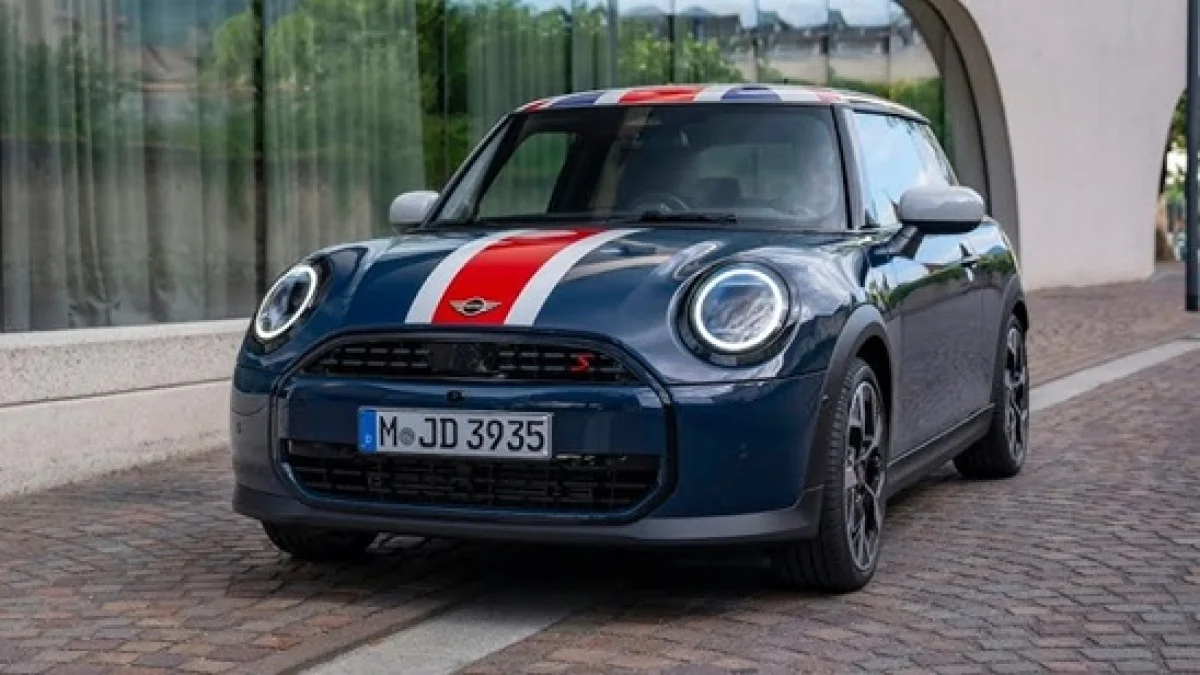
Mini Cooper Betrays Its Principles After 66 Years and Switches to Rear-Wheel Drive
Reports reveal that Mini Cooper will abandon its front-wheel-drive system after 66 years. The new electric Cooper will adopt BMW's Gen 6 platform with rear-wheel drive for the first time. The petrol variant may follow the same change by 2028. BMW confirms that driving pleasure remains the top priority.
After 66 years of unwavering loyalty to front-wheel drive, Mini Cooper is about to break its most sacred rule. A new report reveals the next-generation electric Cooper could adopt rear-wheel drive for the first time since its 1959 debut — a radical shift that sends mixed signals to the British brand's loyal fanbase.
Why is Mini abandoning front-wheel drive?
The company, which changed ownership three times before landing under BMW's umbrella in 2000, now appears ready to embrace an entirely new philosophy. According to a report by Autocar, the next-generation Cooper electric will be built on BMW's Gen 6 platform, the same architecture currently powering the iX3 and i3 models.
The change isn't limited to the EV version. The same source suggests the petrol variant could follow suit, especially with BMW planning to return the 1 Series to rear-wheel drive by 2028. Since the 1 Series shares the same technical base as the new Mini, the transition looks almost inevitable.
Official comment from BMW
Joachim Post, BMW's head of development, didn't rule it out. He openly stated that Mini Cooper might follow the rear-wheel-drive 1 Series, adding that the brand will choose the "best option" and that "absolute driving pleasure" remains the top priority. A statement that carries clear intent for a radical change in the car's character.
What does this mean for driving dynamics?
Switching to rear-wheel drive transforms the car's personality entirely. The current Gen 6 platform doesn't support all-wheel drive, with larger motors mounted on the rear axle equipped with gearboxes, while smaller front motors go without. This layout delivers completely different dynamics — sharper cornering and more aggressive acceleration.
The gap between generations will be significant. The new petrol variant will be a heavily improved version of the previous generation, while the electric version rides on a more modern platform. One question remains: will Mini enthusiasts accept this change? Only time will tell.
Frequently Asked Questions
3 questions answered
Related News
View All News
Chinese Invasion: Baidu's 4,000 Robotaxis Head to Europe and Beyond
Chinese company Baidu announced plans to deploy over 4,000 self-driving taxis worldwide, with half heading to Europe in partnership with Uber. The collaboration will start in the Croatian city of…
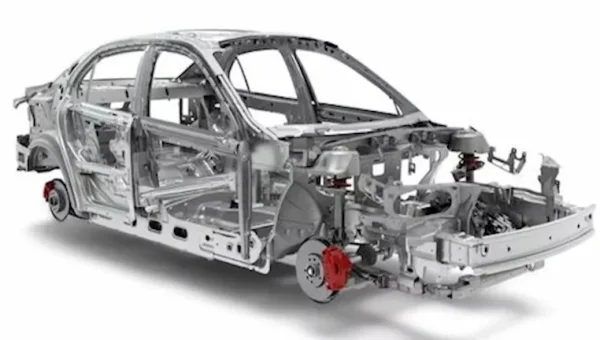
Not All Parts Wear Out: The Car Components That Last a Lifetime
Some car components are engineered to last the entire vehicle lifespan without routine replacement. The chassis, internal safety cage, and steering column are the most notable fixed parts that never…
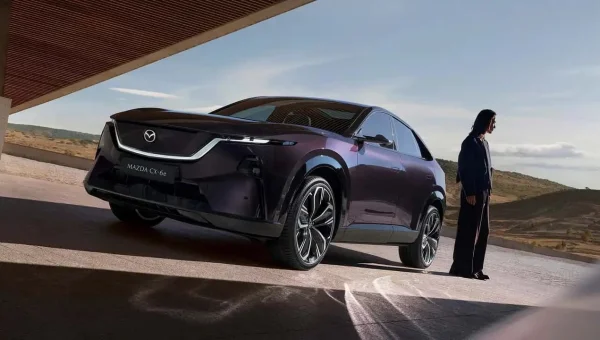
Mazda CX-6e EV Can Talk to Pedestrians via External Speaker — and It's Sparking Debate
Mazda has unveiled the External Announcement system in its CX-6e electric vehicle, an external speaker mounted on the front that allows the driver to broadcast pre-recorded or custom messages to…
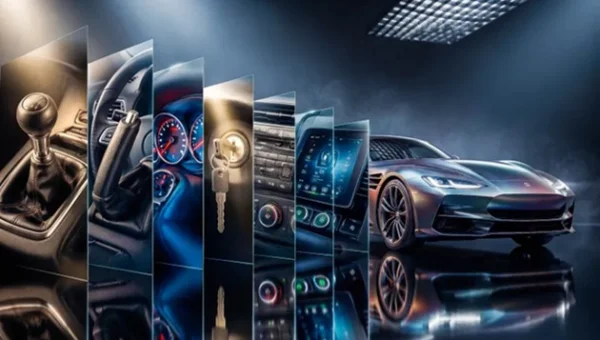
Key, Gauges, and Mirrors: Familiar Car Details That May Vanish from Your Next Vehicle
Modern cars are rapidly going digital, and traditional features drivers have used for decades are gradually disappearing. Analog instrument clusters are being replaced by screens, start buttons are giving way…
Batteries, Fuel Cells, or Hydrogen Combustion? 3 Technologies Racing for the Future of Cars
Three technologies are competing for the future of automobiles: battery electric vehicles, hydrogen fuel cells, and hydrogen combustion engines. Global EV sales surpassed 20 million units in 2025, roughly a…