European Test Reveals: Tesla's Full Self-Driving Reads Traffic Signs Then Ignores Them
A European test by Belgian safety organization Johanna.be found that Tesla's Full Self-Driving system committed traffic violations over 400 kilometers in Brussels. The system exceeded the speed limit on 55% of roads marked for 30 km/h and attempted to overtake cyclists in legally restricted areas. Compared with a Citroen C3, Tesla's system misread 6 of 7 speed signs, raising serious questions about its readiness for European roads.
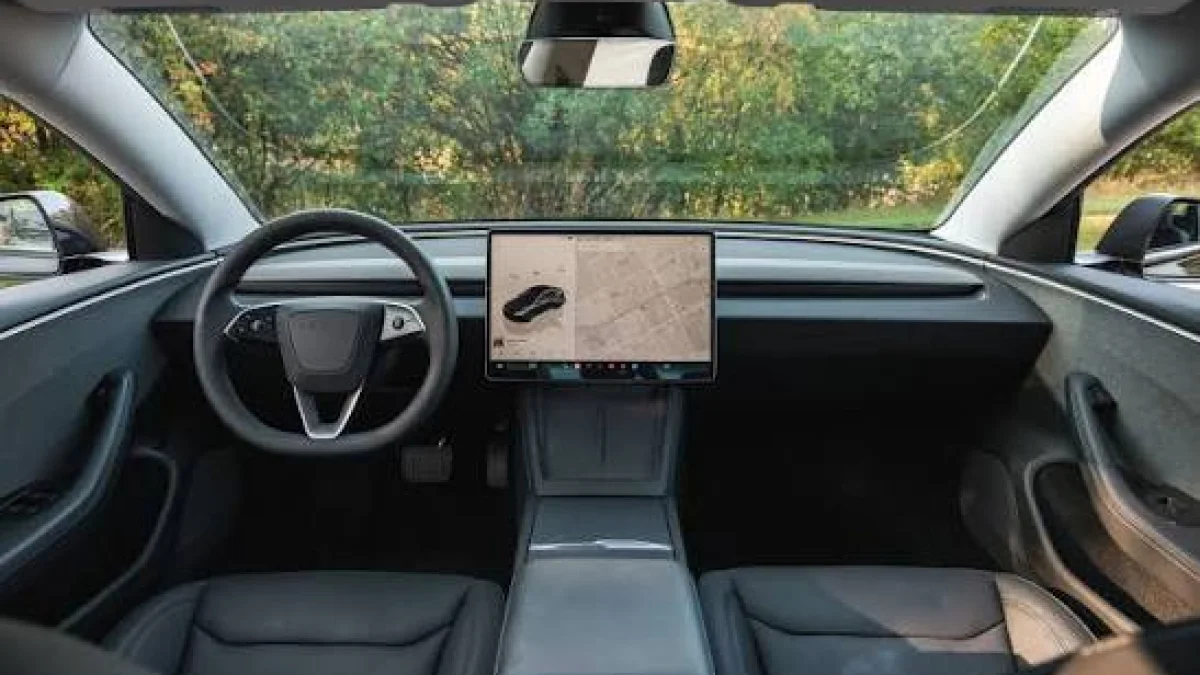
Tesla's Full Self-Driving system failed to comply with traffic rules during a new European test. Belgian safety organization Johanna.be drove the system roughly 400 kilometers through Brussels streets over three days in July, recording speed violations and attempts to overtake cyclists in areas where it's legally prohibited. The twist? The car read the signs... then ignored them.
Speed Limit Exceeded on 55% of 30 km/h Roads
The numbers tell the story. The system exceeded the legal speed limit on 55% of road sections with a 30 km/h maximum, hitting an average of 44 km/h when it did. That 14 km/h gap carries serious consequences in residential streets and shared pedestrian zones. The display showed a 50 km/h limit in about 90% of test areas marked for 30 km/h — even though the car correctly recognized the actual signs in some cases before displaying a different reading.
Residential Zones and Cyclists: Failed Tests
Five out of 12 residential zones tested saw the system breach the 20 km/h limit. These zones are designed to be safer for pedestrians and may allow children to use wide sections of the road. More alarming: the car repeatedly attempted to overtake cyclists on Belgian streets dedicated to bikes — a clear violation of traffic rules. In one case, the test recorded four consecutive overtaking attempts on a single cyclist before the supervising driver intervened and stopped the car.
Citroen C3 Comparison: 6 Errors vs. Zero
The comparison with the Citroen C3 revealed a stark gap in speed sign recognition. The French car correctly identified all seven signs tested, while the Tesla system failed on six of them and only determined the correct speed once. That performance raises serious questions about how ready autonomous driving systems are for Europe's narrow, crowded roads.
What This Means for the Future of Self-Driving
The test piles pressure on Tesla in a European market that takes a strict stance on safety systems. The Belgian organization focused on roads with heavy pedestrian and cyclist traffic — precisely the environments demanding the highest accuracy. Self-driving systems depend on reading and obeying signs, but these results point to a gap between what the cameras see and what the system actually does. The question now: does Tesla need a radical overhaul of its traffic-rule compliance algorithms before expanding further in Europe?
Frequently Asked Questions
3 questions answered
Related News
View All News
When Should You Replace Your Car's Shock Absorbers? 5 Signs You Can't Ignore
Shock absorbers are a core part of the suspension system, responsible for damping impacts and keeping the car stable. Five key signs indicate they are failing: unusual vibration, repeated bouncing…
Mercedes Unveils Holographic Windshield Display Invisible to the Driver
Mercedes-Benz has revealed its Holo Display technology that turns the windshield into a holographic screen showing personalized content for each occupant. The system uses a small projector and a transparent…
LUXEED Unveils SIVP Smart Parking System: Centimeter-Accurate Self-Parking and Remote Retrieval
LUXEED unveiled its Super Intelligent Valet Parking (SIVP) system at a global media test-drive event on October 20. The system supports fully autonomous parking and remote vehicle retrieval via mobile…
AI Is Stealing Car Chips: Aumovio Warns of Sharp Cost Increases
The automotive industry faces a new threat: a shortage of legacy semiconductors as chipmakers redirect production toward AI data center components. Nexperia interim CEO Stefan Tilger confirmed competitors have shifted…
Google Brings Gemini to CarPlay: Smart Conversations Sync Automatically to iPhone
Google has made its Gemini assistant available directly through Apple CarPlay for iPhone users, starting November 11, 2026. The feature enables interactive voice conversations via Gemini Live, including email summarization,…