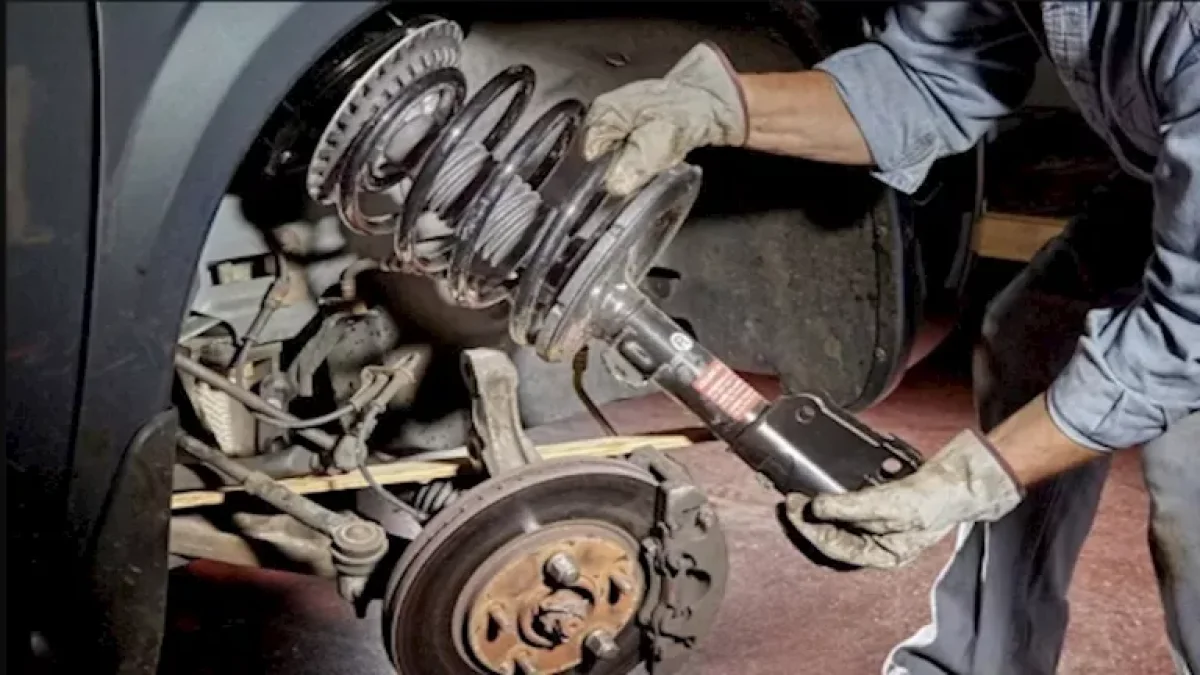
When Should You Replace Your Car's Shock Absorbers? 5 Signs You Can't Ignore
Shock absorbers are a core part of the suspension system, responsible for damping impacts and keeping the car stable. Five key signs indicate they are failing: unusual vibration, repeated bouncing after bumps, nose dive under braking, oil leaks, and uneven tire wear. Ignoring these signs affects driver control and shortens tire life. A periodic suspension check catches the problem before it escalates.
Five clear signs reveal worn shock absorbers before they turn into a real safety hazard on the road. Shock absorbers are a core part of the suspension system, responsible for damping the impacts and vibrations generated while driving on uneven roads. For keeping the vehicle stable and its occupants comfortable. With continuous use and exposure to speed bumps and potholes, shock absorbers gradually lose efficiency. That directly affects the driver's ability to control the car, especially at high speeds or during sudden maneuvers. Many drivers treat shock absorber replacement as a minor maintenance item — yet ignoring worn dampers opens the door to bigger problems that hit safety first and owners' wallets later.
Signs of Failing Shock Absorbers: When Does the Problem Start?
Unusual vibration on uneven roads is usually the first thing a driver notices. If the car keeps swaying and shaking even after clearing a bump, the shock absorbers have likely lost much of their ability to absorb impacts. Repeated bouncing after speed bumps is a second, equally obvious sign. The core job of shock absorbers is to control spring movement and reduce rebound after the car passes over a bump, so continued bouncing more than once means the dampers can no longer do that job properly — a symptom that can escalate quickly with daily driving.
Nose Dive and Oil Leaks: Precise Mechanical Indicators
Excessive dipping of the car's front end under braking is a sign that demands immediate inspection. That exaggerated nose dive may point to weak front shock absorbers, especially when accompanied by a feeling of instability as the car comes to a stop. An oil leak around the damper body is a mechanical warning that can't be postponed, since some shock absorbers rely on oil to function. A leak reduces efficiency and the ability to absorb impacts correctly. On long roads and repeated speed bumps, these signs show up more clearly in cars that cover big daily distances.
Irregular Tire Wear: The Silent Result of Worn Dampers
Uneven tire wear may be the most expensive consequence of ignoring worn shock absorbers. Weak dampers prevent the tires from maintaining consistent contact with the road surface, producing unevenly worn patches across the tire tread — which shortens tire life and raises long-term maintenance costs. A periodic suspension check at a specialized workshop reveals the condition of the shock absorbers before simple warning signs develop into compound faults that affect the car's overall performance.
Frequently Asked Questions
3 questions answered
Related News
View All News
Mercedes Unveils Holographic Windshield Display Invisible to the Driver
Mercedes-Benz has revealed its Holo Display technology that turns the windshield into a holographic screen showing personalized content for each occupant. The system uses a small projector and a transparent…

LUXEED Unveils SIVP Smart Parking System: Centimeter-Accurate Self-Parking and Remote Retrieval
LUXEED unveiled its Super Intelligent Valet Parking (SIVP) system at a global media test-drive event on October 20. The system supports fully autonomous parking and remote vehicle retrieval via mobile…

AI Is Stealing Car Chips: Aumovio Warns of Sharp Cost Increases
The automotive industry faces a new threat: a shortage of legacy semiconductors as chipmakers redirect production toward AI data center components. Nexperia interim CEO Stefan Tilger confirmed competitors have shifted…

European Test Reveals: Tesla's Full Self-Driving Reads Traffic Signs Then Ignores Them
A European test by Belgian safety organization Johanna.be found that Tesla's Full Self-Driving system committed traffic violations over 400 kilometers in Brussels. The system exceeded the speed limit on 55%…
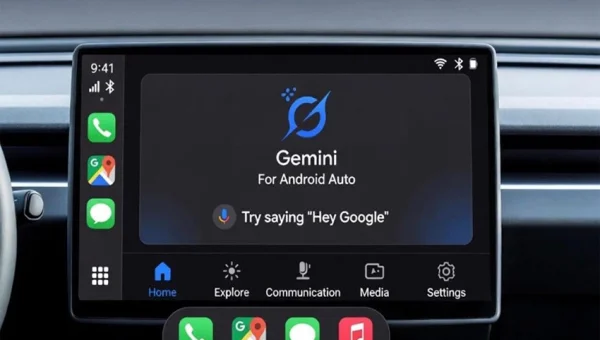
Google Brings Gemini to CarPlay: Smart Conversations Sync Automatically to iPhone
Google has made its Gemini assistant available directly through Apple CarPlay for iPhone users, starting November 11, 2026. The feature enables interactive voice conversations via Gemini Live, including email summarization,…