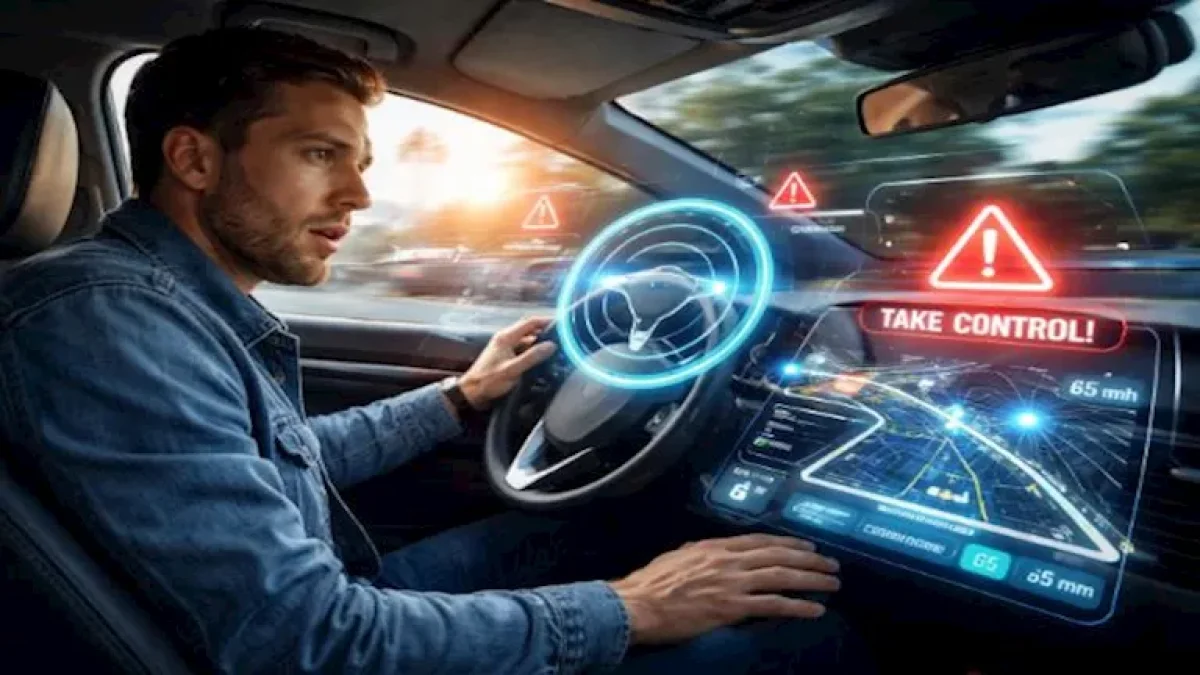
Tesla Pressures Europe to Approve FSD Amid Safety Expert Doubts
Tesla is pushing European regulators to speed up approval of its Full Self-Driving (FSD) system, citing a media campaign claiming delays cause road deaths. The company secured a Dutch approval and seven other national approvals, but seven road safety researchers challenged its studies. Experts say the data cannot prove FSD reduces fatal accidents, especially since tests relied on limited mileage and indirect behavioral indicators.
Tesla is pressing European regulators to accelerate approval of its Full Self-Driving (FSD) system. The American electric vehicle maker is leaning on a digital and media campaign claiming that delays in adopting the technology are causing road fatalities across Europe. Seven countries have already granted national approvals.
Dutch Approval Paves Way for EU Vote
Tesla secured a critical first approval in the Netherlands, setting the stage for an expected European vote involving regulators from all 27 EU member states. The system also won national approvals in seven other countries, including the Czech Republic, Belgium, and Denmark. This progress puts Tesla vehicles ahead in the regulatory race.
During the Dutch assessment, Tesla Model Y tried to influence the scope and methods of testing and requested trimming certain aspects of the regulatory review. Correspondence between the company and the Dutch regulator RDW showed the latter agreed in some cases to adjust audit methods and depth, using phrases like shared and mutual goals. But RDW defends its independence, stressing it conducted extensive testing on closed tracks, public roads, and in different conditions.
Road Safety Experts Question Tesla's Data
Seven researchers specializing in traffic safety reviewed the studies Tesla submitted to European authorities. They concluded the company's data can't prove FSD reduces accident or fatality rates. The European study compared cars driven by professional Tesla engineers with other cars driven by ordinary owners. But the mileage logged by test cars was extremely limited compared to the hundreds of millions of miles driven by other vehicles. That gap raises serious questions.
Instead of mileage data, Tesla Model Y turned to behavioral indicators such as horn usage, failure to use turn signals, sudden acceleration and deceleration, emergency braking, and sharp turns. These metrics don't directly measure fatal accident rates; they track behaviors theoretically linked to them. Experts say this shift weakens the credibility of the claims.
What It Means for the Future of Autonomous Driving in Europe
The pressure Tesla is exerting on European regulators comes at a sensitive time, as the company seeks to expand FSD beyond North America. Approval from seven European countries is a breakthrough, yet doubts raised by road safety experts could stall the upcoming European vote. If the system gets final approval, the landscape for Tesla prices in the European market could shift noticeably, with Full Self-Driving potentially offered as a paid option.
The debate doesn't stop at Europe's borders. The discussion over FSD's effectiveness and safety will influence regulatory decisions in other markets, including the used Tesla cars that rely on autonomous driving tech. The final outcome depends on what future tests reveal and what data the company may release later.
Frequently Asked Questions
3 questions answered
Related News
View All News
Chinese Invasion: Baidu's 4,000 Robotaxis Head to Europe and Beyond
Chinese company Baidu announced plans to deploy over 4,000 self-driving taxis worldwide, with half heading to Europe in partnership with Uber. The collaboration will start in the Croatian city of…
Not All Parts Wear Out: The Car Components That Last a Lifetime
Some car components are engineered to last the entire vehicle lifespan without routine replacement. The chassis, internal safety cage, and steering column are the most notable fixed parts that never…
Mazda CX-6e EV Can Talk to Pedestrians via External Speaker — and It's Sparking Debate
Mazda has unveiled the External Announcement system in its CX-6e electric vehicle, an external speaker mounted on the front that allows the driver to broadcast pre-recorded or custom messages to…
Key, Gauges, and Mirrors: Familiar Car Details That May Vanish from Your Next Vehicle
Modern cars are rapidly going digital, and traditional features drivers have used for decades are gradually disappearing. Analog instrument clusters are being replaced by screens, start buttons are giving way…
Batteries, Fuel Cells, or Hydrogen Combustion? 3 Technologies Racing for the Future of Cars
Three technologies are competing for the future of automobiles: battery electric vehicles, hydrogen fuel cells, and hydrogen combustion engines. Global EV sales surpassed 20 million units in 2025, roughly a…