Horsepower or Newton-Meters? A Technical Guide to Choosing Your New Car
The difference between horsepower and torque determines how a car performs in different driving conditions. Horsepower reflects an engine's ability to do work over time, while Newton-meters measure rotational force that dictates launch and overtaking. Choosing the right car depends on driving style and actual needs, not marketing figures alone. Understanding both concepts helps buyers make an informed decision.
When comparing two cars before buying, the numbers speak clearly: one engine produces 150 horsepower and 250 Newton-meters of torque, while the other delivers 180 horsepower but only 200 Newton-meters. Which is faster? The answer isn't a single figure. Understanding the difference between horsepower and torque is the key to choosing a car that truly fits your driving needs.
What Does Horsepower Actually Mean?
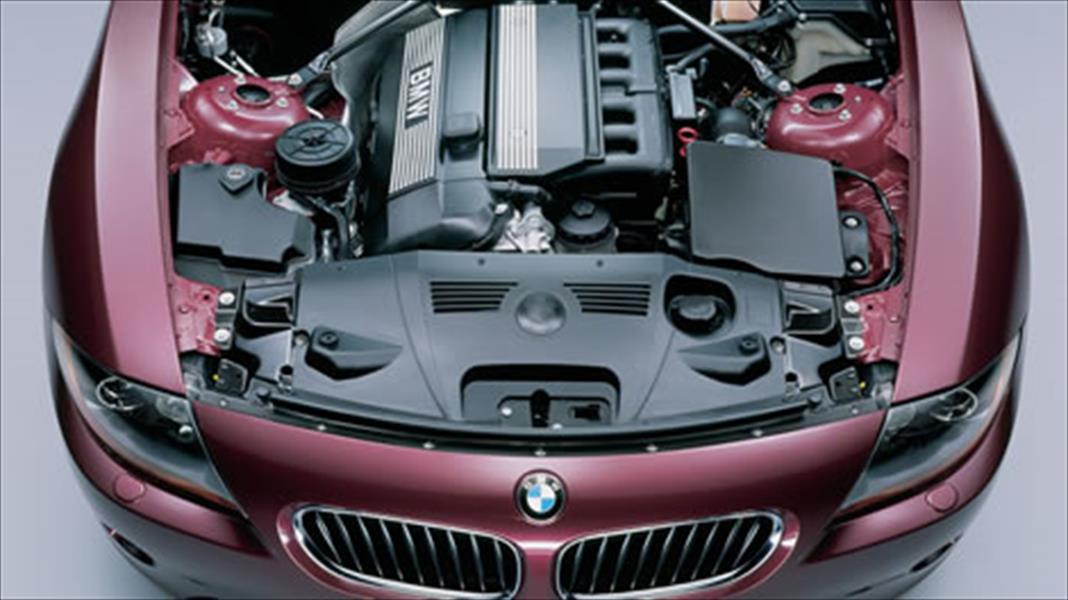
Horsepower is a unit of power that measures the rate at which an engine performs work over a specific period of time. The term traces back to Scottish engineer James Watt, who used it in the 18th century to compare steam engine output with the work horses could do. Mechanical horsepower equals about 746 watts, while metric horsepower used in some European specifications equals 735.5 watts. In the automotive world, horsepower plays a key role in a car's ability to sustain acceleration at high speeds and reach higher top speeds, provided other factors such as weight, aerodynamic drag. Gear ratios are similar. This is why performance brands like BMW and Mercedes highlight horsepower figures in their marketing. But a 200-hp car isn't necessarily faster than a 150-hp one — the lower-powered car might be significantly lighter or have a more efficient transmission.
Torque: The Force You Actually Feel
Torque is the rotational effect of force, measured in Newton-meters. In car engines it represents the twisting force produced at the crankshaft. This figure determines how well a car launches from a standstill and overtakes on the highway. A car with 250 Nm will outperform one with 200 Nm in acceleration and passing, even if the latter has more horsepower. The Toyota Corolla, for example, offers solid low-end torque suited to daily driving. Sporty models like the Audi A3 focus on a balanced mix of power and torque for well-rounded performance. When buying a new car, look at the torque curve, not just the peak number, because low-rpm torque is what you feel in everyday driving.
How to Choose Between Horsepower and Torque
The buying decision depends on your driving style. If you drive mainly in the city and most trips are short, you need good low-rpm torque — exactly what engines like the one in the Hyundai Elantra deliver with practical low-end pull. If you travel frequently on highways and need strong acceleration at high speeds, horsepower becomes a key factor. The Kia Cerato offers a good balance of power and torque for mixed use. Don't be swayed by promotional numbers alone — test-drive the car, examine the torque curve. Compare weight and transmission before deciding. Hyundai prices and Toyota prices in the Egyptian market reflect this diversity in performance and value.
The Technical Bottom Line Before You Buy
Understanding the difference between horsepower and torque gives you negotiating power at the dealership. Renault offers economical options with torque suited to city driving, while the Mitsubishi Lancer is known for engine reliability and balance. What matters is choosing the car that fits your lifestyle, not the one with the biggest number on paper. Torque is what you feel daily; horsepower is what you need in moments of maximum acceleration. Look at the Nissan Sunny if you want dependability and decent torque, or the Skoda Octavia for balanced European performance. The decision ultimately comes down to your real needs, not a single number on a spec sheet.
Frequently Asked Questions
3 questions answered
Related News
View All News
Five Brake Sounds You Should Never Ignore — Some Signal Serious Failure
Brake noises are more than an annoyance — they can signal serious problems in the stopping system. Squealing often points to worn pads or surface dust, while grinding and metal-on-metal…
Electric Vehicle Tire Crisis: Excess Weight Devours Tread Life and Wallets
Electric vehicles suffer from faster tire wear due to the added weight of lithium-ion battery packs and the instant torque delivery of electric motors. Replacing a full set of EV-specific…
Long Idling Warm-Up Ruins Your Engine — The Right Way Is to Drive Off After Seconds
Idling your car for long periods is no longer necessary for most modern vehicles with electronic fuel injection systems. According to AAA guidelines, a few seconds of engine operation is…

From Reckless Driving to Saving Lives: GTA Game Helps AI Develop Accident-Avoiding Cars
Researchers from universities worldwide are using GTA V to test human behavior and develop technologies that warn of road hazards, as well as train AI systems to avoid collisions. A…
Toyota Combines Professional Driver Expertise with AI to Advance Assisted Driving
Toyota has unveiled a plan to integrate real-world driving data and professional driver expertise with AI to develop advanced driver assistance systems. The company aims to deliver L2++ technology in…