Electric Vehicle Tire Crisis: Excess Weight Devours Tread Life and Wallets
Electric vehicles suffer from faster tire wear due to the added weight of lithium-ion battery packs and the instant torque delivery of electric motors. Replacing a full set of EV-specific tires can cost up to 60,000 Egyptian pounds, which is 20% to 30% higher than conventional tires. The problem is compounded by limited availability of these tires in the local market and their high prices. The solution lies in developing more wear-resistant rubber compounds by manufacturers.
Electric vehicle tires wear out faster than their gasoline counterparts. The added weight of lithium-ion battery packs presses constantly against the rubber, cutting tire lifespan by up to 30% in some cases. This isn't a minor inconvenience. It's a hidden cost that EV owners worldwide are grappling with.
Why Tesla and Other EV Tires Degrade Faster
Weight is the primary culprit. A mid-size electric vehicle's battery pack adds between 300 and 500 kg compared to a conventional combustion car in the same class. That extra mass increases friction between the tire and the road, significantly accelerating wear rates.
The second factor is the instant torque delivery of electric motors. An EV produces maximum torque from the very first moment of acceleration, placing immense stress on the front tires in particular. EV drivers consume their tires faster not necessarily because they drive aggressively, but because the nature of the powertrain imposes this pattern.
Ironically, manufacturers like Toyota and Hyundai are beginning to recognize this issue in their hybrid and electric models. They're developing dedicated tires with more wear-resistant rubber compounds. But the solution remains far from perfect.
A Hidden Cost Weighing on Consumer Wallets
Electric vehicle owners in Egypt face a tough equation. A single EV tire can exceed 15,000 Egyptian pounds in mid-range segments. A full set may reach 60,000 pounds. Add to that the limited availability of EV-specific tires in the local market.
Tire industry experts confirm the problem won't be solved overnight. Major companies like Michelin and Pirelli are working on new rubber compounds and low-rolling-resistance tires, but these products come at higher prices. The consumer ultimately foots the bill.
Do electric vehicles justify this extra cost? The answer depends on usage patterns. Those driving long distances daily will feel the difference in their wallets. Those using the car within the city for short trips may not notice the gap as sharply. Yet the numbers don't lie: the running cost of EVs in Egypt isn't as low as some would have you believe.
What This Means for BYD in the Egyptian Market
The leading Chinese electric vehicle brand has expanded aggressively in the Egyptian market over the past two years. A model like the BYD F3 achieved widespread penetration thanks to its competitive pricing. But with rising maintenance costs, especially tires, the Egyptian consumer may run new calculations before committing to a purchase.
Local distributors have begun importing EV-specific tires, but quantities remain limited and prices are high. Even MG tires designed for its electric models sell at 20% to 30% above conventional tires.
Insurance companies are also studying this angle. Some European insurers have started imposing higher premiums on electric vehicles due to elevated repair and replacement costs, including tires. In Egypt, that trend hasn't arrived yet, but it may.
The realistic solution for the Egyptian consumer is regular maintenance and weekly tire pressure checks. Low air pressure adds further wear. Replacing tires on schedule is far cheaper than neglecting them. But manufacturers carry a bigger burden: developing longer-lasting tires at reasonable prices is the key to sustaining EV adoption in emerging markets.
Related News
View All News
Five Brake Sounds You Should Never Ignore — Some Signal Serious Failure
Brake noises are more than an annoyance — they can signal serious problems in the stopping system. Squealing often points to worn pads or surface dust, while grinding and metal-on-metal…
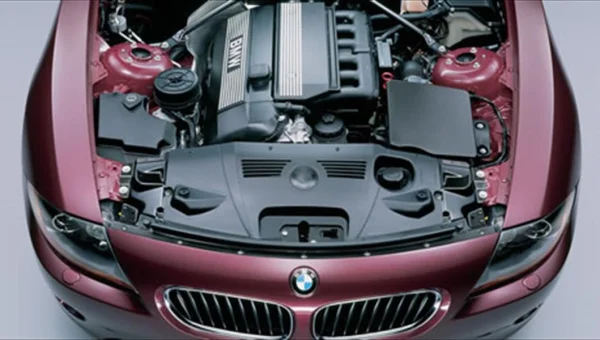
Horsepower or Newton-Meters? A Technical Guide to Choosing Your New Car
The difference between horsepower and torque determines how a car performs in different driving conditions. Horsepower reflects an engine's ability to do work over time, while Newton-meters measure rotational force…
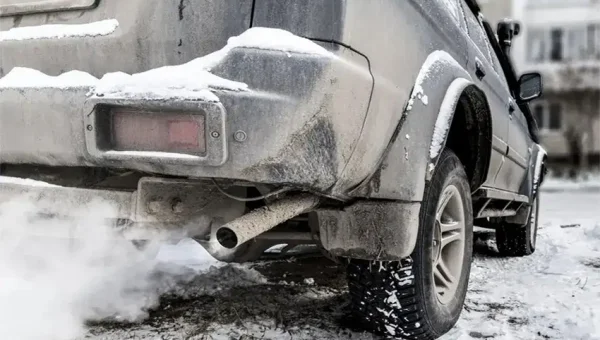
Long Idling Warm-Up Ruins Your Engine — The Right Way Is to Drive Off After Seconds
Idling your car for long periods is no longer necessary for most modern vehicles with electronic fuel injection systems. According to AAA guidelines, a few seconds of engine operation is…

From Reckless Driving to Saving Lives: GTA Game Helps AI Develop Accident-Avoiding Cars
Researchers from universities worldwide are using GTA V to test human behavior and develop technologies that warn of road hazards, as well as train AI systems to avoid collisions. A…
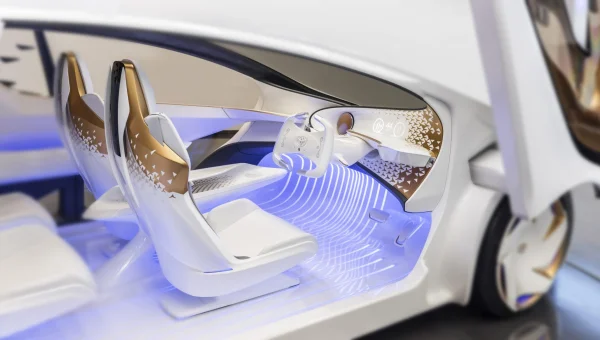
Toyota Combines Professional Driver Expertise with AI to Advance Assisted Driving
Toyota has unveiled a plan to integrate real-world driving data and professional driver expertise with AI to develop advanced driver assistance systems. The company aims to deliver L2++ technology in…