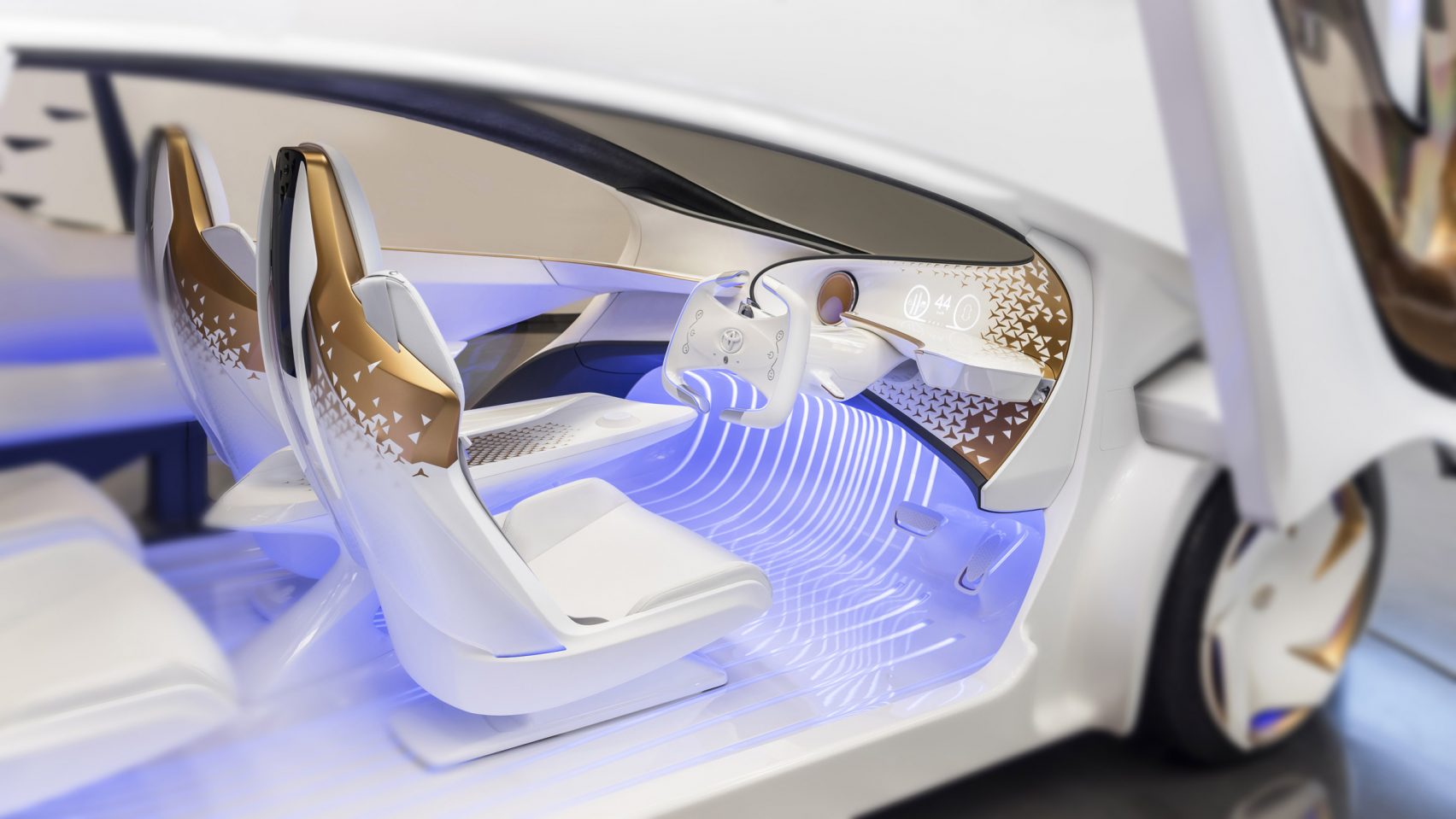
Toyota Combines Professional Driver Expertise with AI to Advance Assisted Driving
Toyota has unveiled a plan to integrate real-world driving data and professional driver expertise with AI to develop advanced driver assistance systems. The company aims to deliver L2++ technology in some commercial vehicles starting in 2028, while expanding its Arene software platform to 50 models and 10 million vehicles by 2030. Toyota moved 70% of Toyota Safety Sense verification tests to virtual environments and raised voice command accuracy to 92%.
Toyota has officially announced plans to integrate real-world driving data with professional driver expertise and in-house developed AI, aiming to deliver L2++ advanced driver assistance technology in some of its commercial vehicles starting in 2028. The reveal took place during a technology event at the company's research and development center in Michigan this November.
Not Full Self-Driving
The goal is to improve the vehicle's ability to handle various road conditions, not to achieve full self-driving. These new systems remain in the assistance category, requiring driver attention and readiness to intervene at any moment. Toyota has not yet disclosed which models or markets will receive the technology first, but confirmed global expansion will follow in subsequent years.
The Arene Software Platform
The plan relies heavily on the Arene software platform developed by Woven by Toyota, aiming to unify and improve vehicle software development across different models. Toyota plans to expand the platform's use from the RAV4 and Lexus ES to approximately 50 models and 10 million vehicles worldwide by 2030. The number is massive. This expansion reflects the company's bet on software as a core element of future vehicles.
70% of Verification Tests Now Virtual
Using simulation tools in software development helped move about 70% of verification tests for the Toyota Safety Sense system to virtual environments, according to internal tests on the RAV4. Another result: voice command recognition accuracy rose to 92% in internal results. These figures mean Toyota is reducing time and cost in field testing and relying more on simulation.
What It Means for the Market
The shift toward AI-supported driver assistance systems could change competition rules among automakers. Toyota wants its cars to learn from human expertise, not just sensors. But the real challenge remains in deploying this technology at scale by 2028. In making it available at reasonable prices in markets like Egypt.
Frequently Asked Questions
3 questions answered
Related News
View All News
Long Idling Warm-Up Ruins Your Engine — The Right Way Is to Drive Off After Seconds
Idling your car for long periods is no longer necessary for most modern vehicles with electronic fuel injection systems. According to AAA guidelines, a few seconds of engine operation is…

From Reckless Driving to Saving Lives: GTA Game Helps AI Develop Accident-Avoiding Cars
Researchers from universities worldwide are using GTA V to test human behavior and develop technologies that warn of road hazards, as well as train AI systems to avoid collisions. A…
Baidu Trains Robotaxis on 100,000 Virtual Kilometers Daily
Baidu has launched Apollo World, a virtual simulation system for training robotaxis. The system generates 100,000 virtual kilometers per day, equivalent to roughly three years of real-world testing. The tech…
Your Tesla Hides 5 Features That Change Everything — One Locks It Even With the Key
Tesla vehicles include five hidden software features most owners overlook, led by PIN to Drive, which prevents driving even with the original key. The list also includes Glovebox PIN for…
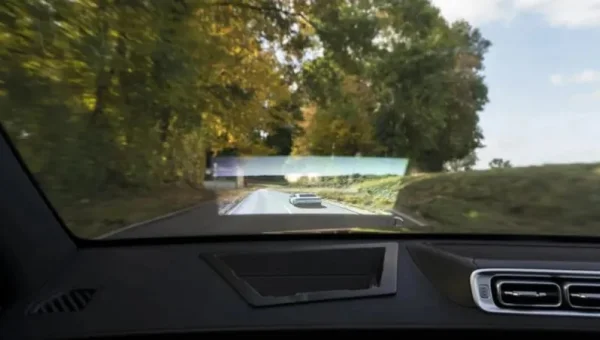
Mercedes Unveils Holo Display: The Windshield That Becomes a Targeted Holographic Screen
Mercedes-Benz is developing Holo Display, a technology that turns the windshield into a transparent holographic screen displaying information to specific occupants inside the car. The system uses a projector integrated…