Expert Shares 8 Essential Steps to Protect Your Car Engine and Cooling System During Summer
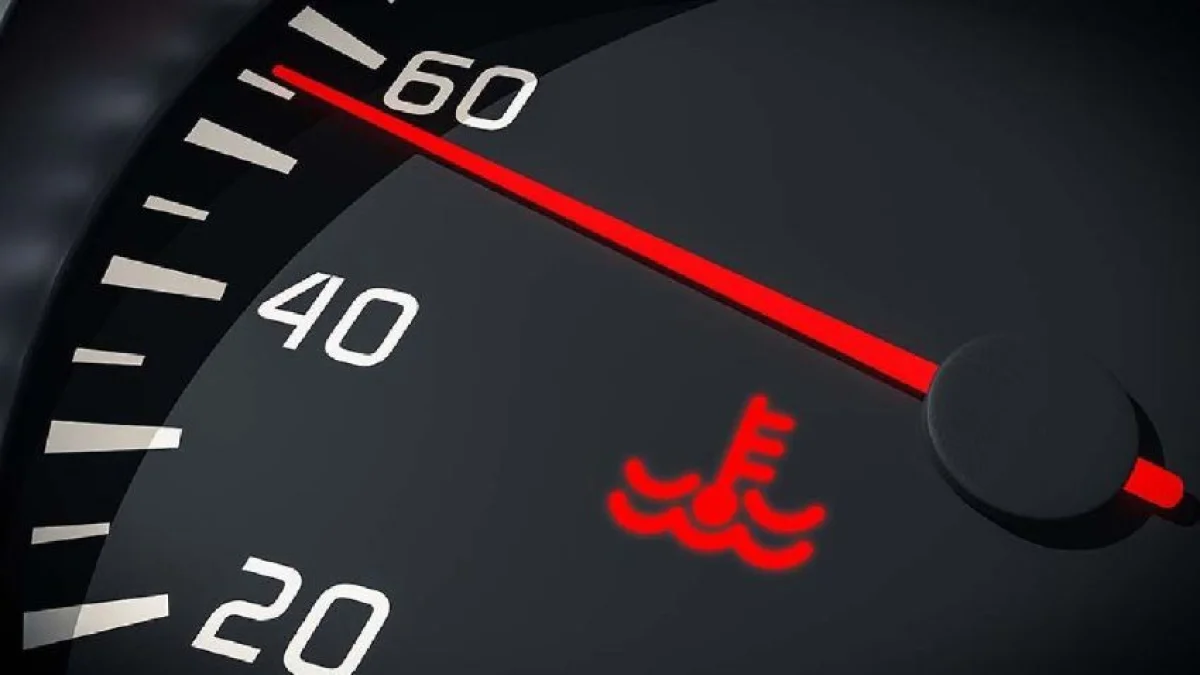
As temperatures climb during the summer months, the risk of engine overheating becomes a major concern for many drivers. Excessive engine heat can lead to costly mechanical failures if it is not handled properly. According to Walid Abdo, manager of an automotive service center, maintaining the vehicle's cooling system is the most effective way to keep the engine operating efficiently and reduce the likelihood of overheating in hot weather.
Maintaining the Cooling System
Abdo explained that regular maintenance of the cooling system is the first line of defense against rising engine temperatures. He stressed the importance of cleaning the radiator both internally and externally to remove dirt and deposits that may restrict cooling performance. He also emphasized checking the cooling fan regularly to ensure it operates correctly, as its efficiency plays a critical role in maintaining the engine's normal operating temperature.
He added that using the proper radiator coolant is a better choice than relying on tap water because it helps protect the cooling system while reducing rust formation and internal deposits. He also recommended inspecting the radiator periodically for leaks, paying particular attention to the radiator cap and hose connections, which are among the most common areas where leaks can develop over time.
Routine Maintenance and Driving Habits
Abdo noted that replacing engine oil at the recommended service intervals helps reduce friction between internal engine components and contributes to lowering engine temperatures. He added that approved oil additives may improve lubrication efficiency and enhance engine performance under high-temperature operating conditions. He also advised cleaning the engine exterior only with products specifically designed for that purpose while avoiding direct water washing to protect electrical and electronic components from potential damage.
He further recommended avoiding aggressive driving or placing continuous heavy loads on the vehicle, particularly in heavy traffic. According to Abdo, keeping the cooling system in good condition not only protects the engine but also helps preserve automatic transmissions in vehicles that rely on the radiator to cool transmission fluid. He also advised leaving sufficient space between vehicles while stopped in traffic to improve airflow through the front of the vehicle and increase radiator cooling efficiency. He concluded by warning drivers never to remove the radiator cap immediately after the engine temperature rises, as hot coolant or steam may escape because of pressure inside the cooling system. Instead, he advised waiting until the engine has cooled completely before opening the radiator cap or adding coolant.
Related News
View All News
Your Complete Guide to Maintaining Car Tires as Winter Temperatures Drop
As winter approaches and temperatures fall, car tires need extra care to maintain grip and safety. Regular pressure checks, tread depth inspection, crack monitoring, and wheel alignment are essential steps.…
From Paper to Pavement: Inside the Making of a New Car
Developing a new car begins in the design studio with initial sketches that become a 3D digital model and then a full-size clay model. Engineering teams work in parallel to…

Tesla Drops 'Self-Driving' Name in Europe, Calls It 'Driver Assistant'
Tesla has renamed its 'Autopilot' system to 'Tesla Driver Assistant' in Europe after misleading claims. This change follows legal disputes and a retreat from full self-driving promises. In the U.S.,…

Chery Tiggo 9 CSH Survives Brutal Safety Tests: Saltwater Immersion and Underbody Impacts
Chery conducted extreme safety tests on the Tiggo 9 CSH, including a 24-hour saltwater immersion of its high-voltage battery and an underbody scraping test against a solid obstacle. Results showed…
How a New Car Is Born: The Journey from Digital Sketches to the Production Line
Every new car undergoes a three-to-five-year development journey starting with segment definition and 3D digital design concepts. Engineers specify structural, powertrain, suspension, steering, and braking solutions during this phase. Prototypes…