Digital Car Keys Move Closer to Replacing Traditional Vehicle Keys
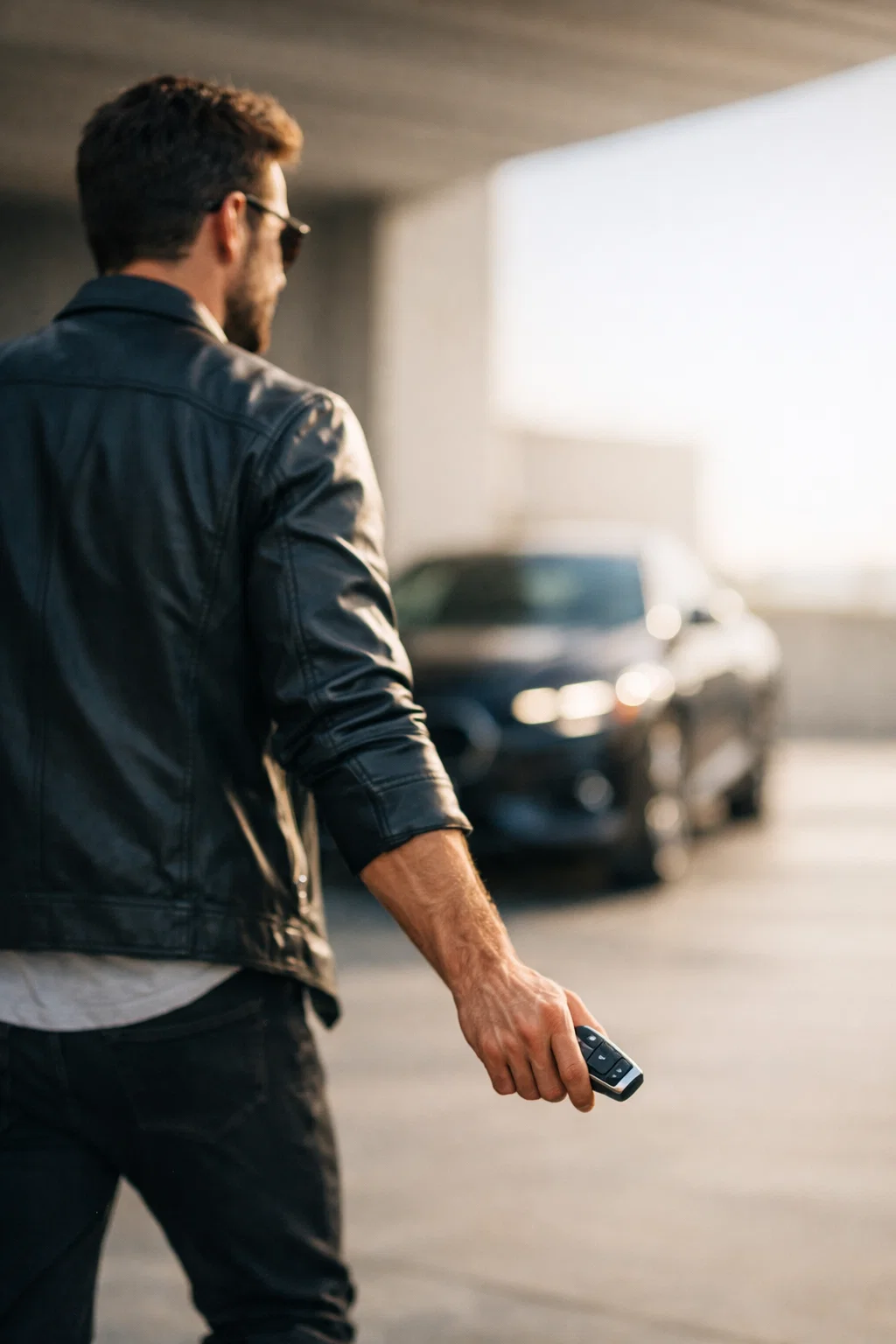
Just a few years ago, losing a car key could ruin an entire day. Today, a smartphone can unlock doors, start a vehicle, and even share digital access with other users through a single tap.
The concept of the digital car key is no longer limited to prototype vehicles. It has evolved into a real-world automotive technology that is rapidly expanding across the premium and smart vehicle segments. Automakers including BMW, Mercedes-Benz, Hyundai, Tesla, and Kia have already begun using smartphones and smartwatches as alternatives to conventional car keys.
How Does a Digital Key Work?
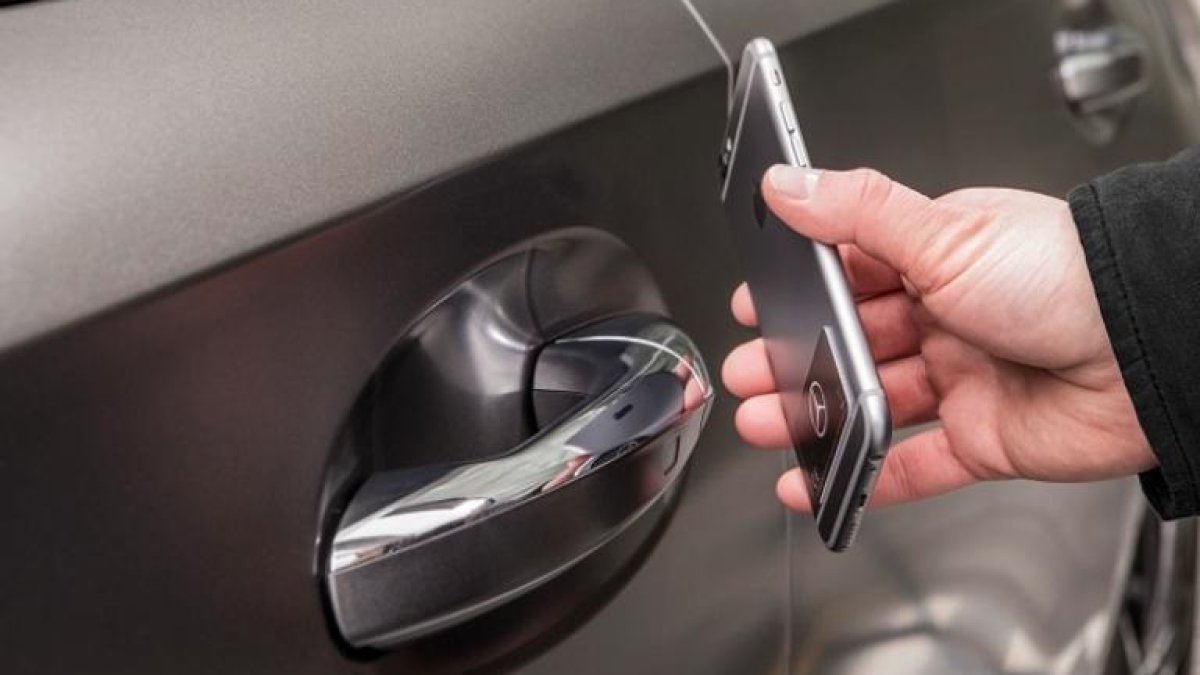
The system connects a vehicle to a smartphone using technologies such as NFC, Bluetooth, or Ultra Wideband, allowing the vehicle to automatically recognize the authorized device as it approaches.
Once the user reaches the vehicle, the doors can unlock automatically, while the engine can be started without removing the phone from a pocket or bag.
Some systems also allow owners to share a digital key with family members or friends through mobile applications, while setting specific permissions such as driving speed limits or usage schedules.
Why Are Automakers Moving Away from Traditional Keys?
Car manufacturers view digital keys as a more seamless and convenient user experience, particularly as modern vehicles continue to evolve into connected platforms linked to internet services, mobile applications, and cloud-based technologies.
The technology also helps reduce the risk of losing or forgetting traditional keys while simplifying the management of shared vehicles and modern rental services.
Is the Technology Truly Secure?
Security remains one of the biggest points of debate surrounding digital vehicle access systems. While manufacturers emphasize the use of highly advanced encryption technologies, some cybersecurity experts caution that any digitally connected system could theoretically face hacking attempts or data theft risks.
However, modern systems employ multiple layers of protection, including dynamic encryption, two-factor authentication, and Ultra Wideband technology, which helps reduce the risk of relay attacks that have occasionally been used in vehicle theft cases.
What Happens If the Phone Battery Dies?
This remains one of the most frequently asked questions about digital car keys. To address the concern, most manufacturers provide backup solutions, including the use of a traditional key or NFC functionality that can continue operating even when a smartphone battery is partially depleted on certain modern devices.
Related News
View All News
From Paper to Pavement: Inside the Making of a New Car
Developing a new car begins in the design studio with initial sketches that become a 3D digital model and then a full-size clay model. Engineering teams work in parallel to…
Tesla Drops 'Self-Driving' Name in Europe, Calls It 'Driver Assistant'
Tesla has renamed its 'Autopilot' system to 'Tesla Driver Assistant' in Europe after misleading claims. This change follows legal disputes and a retreat from full self-driving promises. In the U.S.,…
Chery Tiggo 9 CSH Survives Brutal Safety Tests: Saltwater Immersion and Underbody Impacts
Chery conducted extreme safety tests on the Tiggo 9 CSH, including a 24-hour saltwater immersion of its high-voltage battery and an underbody scraping test against a solid obstacle. Results showed…
How a New Car Is Born: The Journey from Digital Sketches to the Production Line
Every new car undergoes a three-to-five-year development journey starting with segment definition and 3D digital design concepts. Engineers specify structural, powertrain, suspension, steering, and braking solutions during this phase. Prototypes…
Before Replacing Your Car Battery: What Do CCA, CA, RC, and Ah Mean?
Choosing a car battery isn't just about size or price. It requires understanding the codes on the label, such as CCA, CA, RC, and Ah. CCA measures the battery's ability…