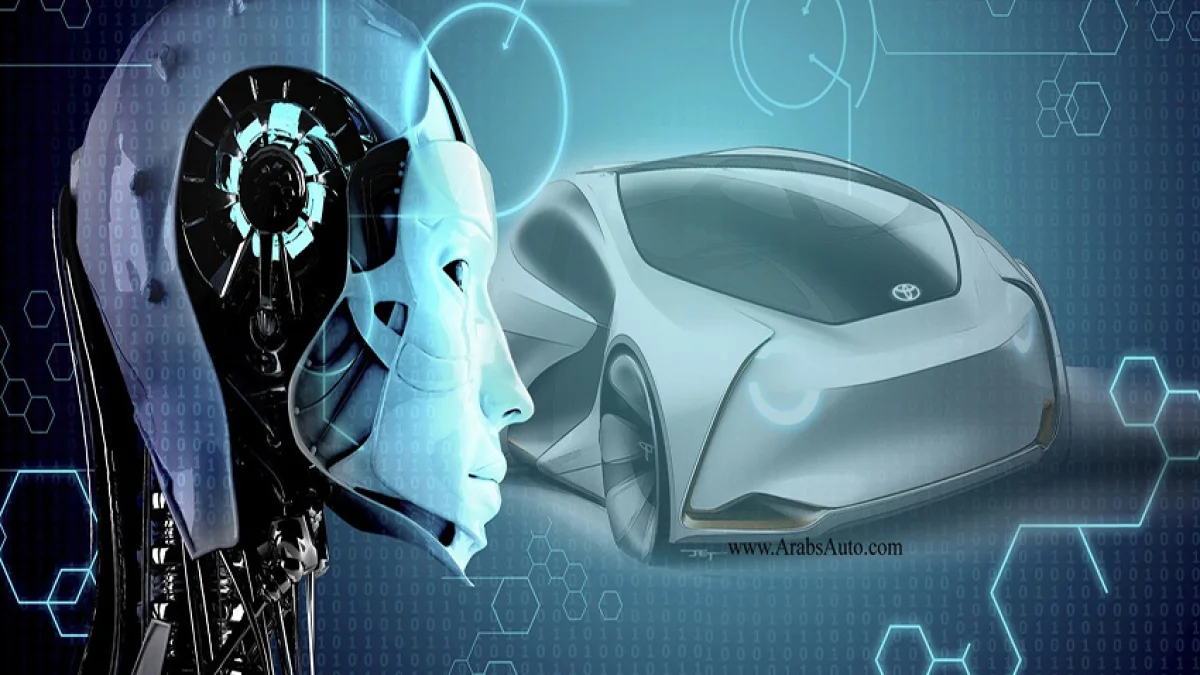
BMW and General Motors Use AI to Turn Hand-Drawn Sketches into 3D Models in One Day
For years, the journey of designing a new car began with a pencil sketch, followed by clay models, then months of testing and refinements before reaching the final shape. Today, this equation has changed dramatically, as artificial intelligence has become an essential partner in the design process—not to replace the designer, but to provide faster and more precise tools that help create more efficient and attractive vehicles. BMW and General Motors are leading this technological revolution, leveraging generative design and AI to accelerate the pace of innovation.
AI Generates Thousands of Ideas in Hours Instead of Weeks
The biggest change brought by AI is not just about drawing the car, but about the speed of developing ideas. Instead of producing a limited number of sketches, generative AI tools can create hundreds of different concepts within hours, adjusting details such as lines, angles, and body proportions to meet each brand's requirements. At General Motors, a designer now starts with a simple hand-drawn sketch, and AI converts it into 3D models and animations in less than a day—a process that previously took weeks or even months. The company emphasizes that this speed gives design teams more time for creativity instead of being occupied with repetitive technical tasks.
How AI Has Changed the Shape of Cars
Drivers may not notice that AI has been involved in designing their car, but it is now present in many small details. Modern design software helps develop aerodynamic lines that reduce air resistance, suggest more efficient shapes for the front and rear, design lighter-weight wheels, improve the distribution of air intakes, and even integrate sensors and radars into the car's body in a more elegant way. This directly impacts energy consumption and the range of electric vehicles, making it relevant for anyone tracking new car prices in the Egyptian market.
AI-Powered Virtual Wind Tunnel
At General Motors, the company has developed a virtual wind tunnel powered by AI that can analyze air resistance and send results to designers almost instantly. These tests used to take days in real wind tunnels, but now they are completed in record time without the need for costly physical models. This advancement accelerates the entire product development cycle and allows for rapid design adjustments based on real-time data.
A Tool to Enhance Creativity, Not Replace Humans
BMW confirms that generative design technologies are now used to design components such as rims and seats. Engineering and aesthetic requirements are fed into the system, which then generates dozens—even hundreds—of proposals in a short time, while the final decision remains with the designer. The company describes AI as "a tool to enhance creativity and efficiency," not a replacement for the human mind. This approach ensures that cars retain a unique character while benefiting from the speed and precision offered by artificial intelligence.
Related News
View All News
Signs of Spark Plug Failure in Your Car Engine — When to Replace Them
Spark plugs are essential engine components, and their failure causes difficulty starting, engine vibration, poor acceleration, and increased fuel consumption. Other signs include an illuminated check engine light and exhaust…

Your Complete Guide to Maintaining Car Tires as Winter Temperatures Drop
As winter approaches and temperatures fall, car tires need extra care to maintain grip and safety. Regular pressure checks, tread depth inspection, crack monitoring, and wheel alignment are essential steps.…
From Paper to Pavement: Inside the Making of a New Car
Developing a new car begins in the design studio with initial sketches that become a 3D digital model and then a full-size clay model. Engineering teams work in parallel to…

Tesla Drops 'Self-Driving' Name in Europe, Calls It 'Driver Assistant'
Tesla has renamed its 'Autopilot' system to 'Tesla Driver Assistant' in Europe after misleading claims. This change follows legal disputes and a retreat from full self-driving promises. In the U.S.,…
Chery Tiggo 9 CSH Survives Brutal Safety Tests: Saltwater Immersion and Underbody Impacts
Chery conducted extreme safety tests on the Tiggo 9 CSH, including a 24-hour saltwater immersion of its high-voltage battery and an underbody scraping test against a solid obstacle. Results showed…