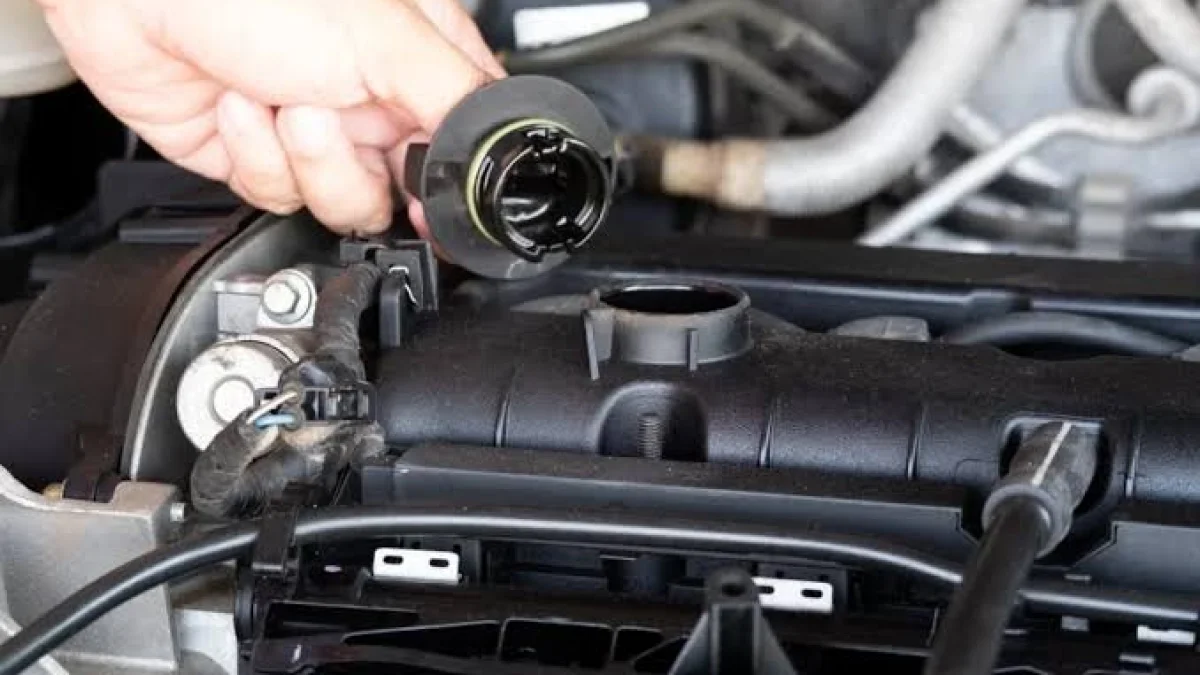
Air Coming Out of Oil Cap: When Is It a Warning of Engine Failure?
This guide explains the difference between normal airflow from the oil filler cap and the forceful pressure indicating serious trouble. The cause usually traces back to a blocked PCV valve or worn piston rings, known technically as Blow-By. Engineer Ayman Saeed details the symptoms accompanying each scenario and the best diagnostic approaches. Replacing the PCV valve is simple and affordable, but ignoring strong pressure may require a full engine rebuild or replacement.
Strong air pressure escaping when you open the engine oil filler cap can be a normal phenomenon, but in other cases it becomes an early warning sign of costly mechanical failure. Experts like engineer Ayman Saeed, an automotive mechanics specialist, say the difference lies in the pressure level and accompanying symptoms. The real trouble starts when that mild airflow turns into a forceful blast that's hard to control.
When Is Air Coming from the Oil Cap Normal?
Your car engine generates a small amount of pressure inside the crankcase during operation. That's unavoidable in any internal combustion engine. The Positive Crankcase Ventilation system, commonly known as PCV, regulates this pressure and removes accumulated gases continuously. So mild air escaping when you open the oil filler cap should not cause concern in most cases, especially if it's not accompanied by smoke, burning smells, or unusual engine vibrations. Careful observation of these symptoms separates a driver who protects their engine from another who pays for neglect later.
When Does the Problem Become Serious?
The situation changes completely when air forcefully rushes out of the oil cap opening — that's a clear sign of abnormally high internal pressure. Forced air means the system can no longer handle the generated pressure. You must find the root cause immediately. Compressed gases always seek an escape route; if they don't find it through designated passages, they'll push through seals and gaskets, causing oil leaks and further damage across the engine bay.
PCV Valve Blockage and Worn Piston Rings
A blocked or faulty PCV valve ranks as the first and most common cause of rising pressure inside the crankcase. This small component performs a vital function by venting accumulated pressure and gases; when it fails, internal pressure builds up and searches for an outlet, with the oil filler cap being one of the easiest paths. Symptoms accompanying this issue include rough engine idling, visible oil leaks. A whistling or hissing sound from the engine compartment. The good news is that the valve itself is usually inexpensive and replacing it's a relatively simple procedure on most vehicles. The second major cause involves worn piston rings, and that's where the real danger lies.
Blow-By: The Silent Enemy of Your Engine
Worn piston rings allow combustion gases to escape into the crankcase instead of staying inside the cylinders — a condition technically known as Blow-By. These hot, compressed gases significantly raise internal engine pressure, gradually damaging seals, causing oil consumption, and degrading overall performance. Fixing this problem requires engine disassembly and new piston rings, a costly procedure demanding a specialized technician; early detection is critical. Engineer Saeed emphasizes that strong pressure must never be ignored, as neglect can transform a repairable engine into worthless scrap metal. A compression test and PCV system inspection are the first two steps you should take upon noticing this warning sign.
The rule is simple: light airflow means no worries, while powerful pressure means act immediately. Early detection saves you thousands of pounds in major repairs and protects engine life. If you notice strong air rush along with oil discoloration or smoke from the exhaust, visit a specialized workshop immediately before a simple PCV valve fix turns into a complete engine replacement.
Frequently Asked Questions
3 questions answered
Related News
View All News
From Paper to Pavement: Inside the Making of a New Car
Developing a new car begins in the design studio with initial sketches that become a 3D digital model and then a full-size clay model. Engineering teams work in parallel to…

Tesla Drops 'Self-Driving' Name in Europe, Calls It 'Driver Assistant'
Tesla has renamed its 'Autopilot' system to 'Tesla Driver Assistant' in Europe after misleading claims. This change follows legal disputes and a retreat from full self-driving promises. In the U.S.,…

Chery Tiggo 9 CSH Survives Brutal Safety Tests: Saltwater Immersion and Underbody Impacts
Chery conducted extreme safety tests on the Tiggo 9 CSH, including a 24-hour saltwater immersion of its high-voltage battery and an underbody scraping test against a solid obstacle. Results showed…

How a New Car Is Born: The Journey from Digital Sketches to the Production Line
Every new car undergoes a three-to-five-year development journey starting with segment definition and 3D digital design concepts. Engineers specify structural, powertrain, suspension, steering, and braking solutions during this phase. Prototypes…
Before Replacing Your Car Battery: What Do CCA, CA, RC, and Ah Mean?
Choosing a car battery isn't just about size or price. It requires understanding the codes on the label, such as CCA, CA, RC, and Ah. CCA measures the battery's ability…