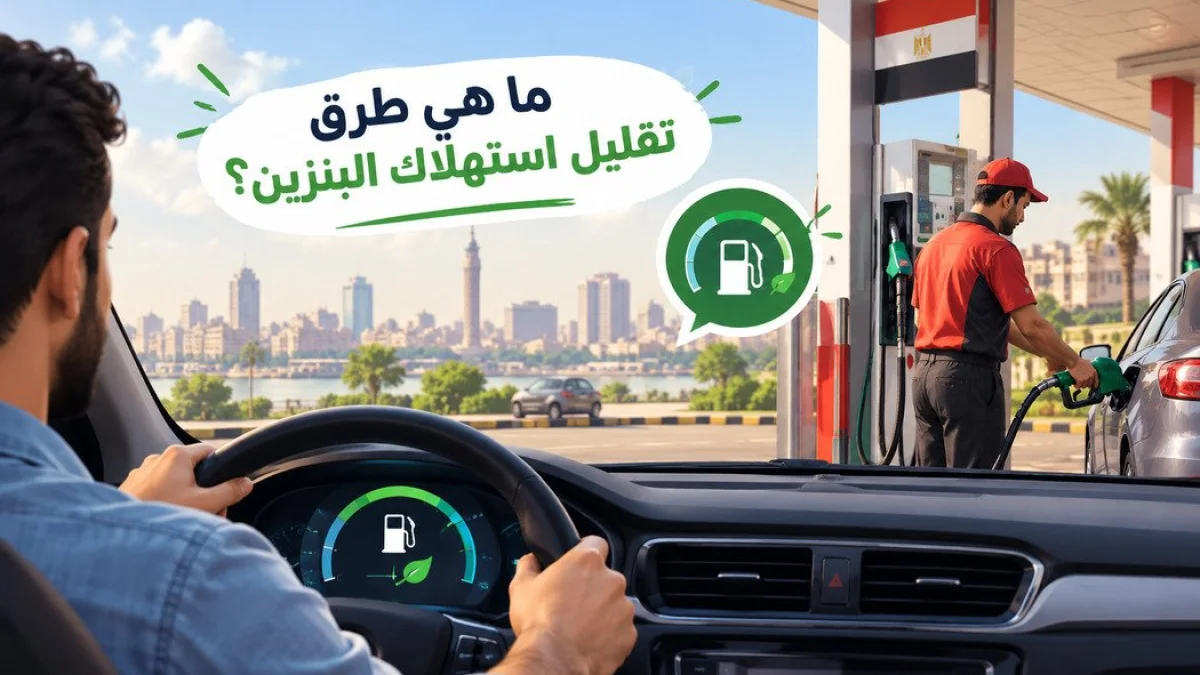
Cut Fuel Consumption: 5 Practical Tips and 6 Mistakes to Avoid
Rising fuel consumption in your car is linked to multiple factors, from tire pressure to daily driving habits. Correct tire inflation, reducing vehicle weight, smooth driving, and sticking to scheduled maintenance all noticeably cut fuel use. Avoiding long idling, high speeds, and stop-and-go driving saves real petrol. Applying these steps together can reduce fuel consumption by up to 15% or more.
Higher fuel consumption in your car isn't just a daily annoyance — it signals a problem that needs immediate attention. If your vehicle is burning through petrol faster than usual, the cause is rarely the fuel itself. Driving habits, tire pressure, and vehicle weight are the real culprits. The first step to reducing fuel consumption is identifying what is actually driving up your numbers. The good news: most of these causes are fixable without spending a fortune.
Why Your Fuel Consumption Is Rising
Your car burns more fuel for reasons that seem minor but add up fast. Under-inflated tires increase rolling resistance, forcing the engine to work harder to move the vehicle. Check tire pressure regularly and stick to the manufacturer's recommended figure, not the number molded on the sidewall. If you notice repeated pressure loss, get the tire inspected. Correct pressure saves fuel and extends tire life at the same time.
5 Practical Ways to Cut Fuel Consumption
1. Set Your Tire Pressure First
Proper tire pressure is the simplest and most effective step to reduce fuel consumption. An under-inflated tire is like driving through sand — it wastes energy and burns extra fuel without you noticing. Check pressure every two weeks at minimum, and always before long trips. Do not forget the spare tire. A small adjustment can save you real money over the year.
2. Shed Excess Weight
Every extra kilogram your car carries demands energy to move. That translates directly into higher fuel use. Remove tools and luggage you don't need from the trunk. Extra weight burns fuel on every single trip with zero benefit. Pay attention to roof racks and cargo boxes too — they increase aerodynamic drag. A lighter car means the engine works less and your fuel lasts longer.
3. Drive Smoothly — Avoid Hard Acceleration
Pressing hard on the accelerator spikes fuel consumption sharply. Rapid acceleration followed by hard braking is pure wasted petrol. Maintain a steady speed whenever possible. Ease off the throttle gradually as you approach traffic lights or congestion. Smooth driving isn't just safer — it's significantly more fuel-efficient. Watch your speedometer and try to stay within your car's optimal range.
4. Stick to Scheduled Maintenance
Car maintenance and fuel savings are directly linked. Delaying service or ignoring issues that affect engine performance drives consumption up. Change engine oil and filters according to the recommended schedule. A clogged air filter restricts airflow to the engine and increases fuel use. Worn spark plugs cause incomplete combustion. Keeping up with maintenance intervals keeps your engine efficient and delivers real fuel savings.
5. Use the AC Wisely
Air conditioning consumes extra fuel because it runs off the engine. In heavy traffic, rolling down windows may be better than running the AC. But on highways, open windows increase aerodynamic drag and burn more fuel than the AC itself. Set a moderate temperature and avoid over-cooling. Regular AC system maintenance also keeps it efficient and reduces strain on the engine.
6 Common Mistakes That Raise Fuel Consumption
Some daily habits we assume are harmless actually burn more fuel than we think. Idling your engine for long periods in the morning is unnecessary in most modern cars and wastes fuel. Driving at high speeds on highways dramatically increases aerodynamic drag — higher speed means higher consumption. Letting the engine run during long stops is pure waste. Using higher-octane fuel than recommended doesn't improve performance; it just costs more. Neglecting to change the air filter chokes the engine and raises consumption. And finally, stop-and-go driving in heavy traffic burns more fuel than cruising on open roads.
How to Actually Save Fuel in Egypt
With fuel prices climbing, saving petrol has become a necessity — not a luxury. Start by checking your tire pressure today. Clear unnecessary items from your trunk. Follow your maintenance schedule and don't postpone oil and filter changes. Drive smoothly and avoid aggressive acceleration. Together, these simple steps can cut your consumption by up to 15% or more. Real savings start with your daily habits behind the wheel, not the type of fuel you buy. Track your consumption weekly and you will see the difference yourself.
Frequently Asked Questions
3 questions answered
Related News
View All News
Lynk & Co 03 Tests Dynamic Capabilities at Ain Sokhna Circuit
The Lynk & Co 03 was put through a real driving test at a racetrack in Azha Village, Ain Sokhna. The session focused on dynamic capabilities and immediate driving response.…
As Autumn Begins: Keep Your Car in Top Shape with These Tips
As autumn begins and temperatures drop, checking your battery and fluids becomes essential to avoid breakdowns. Batteries lose efficiency in cold weather and last between 18 months and three years.…
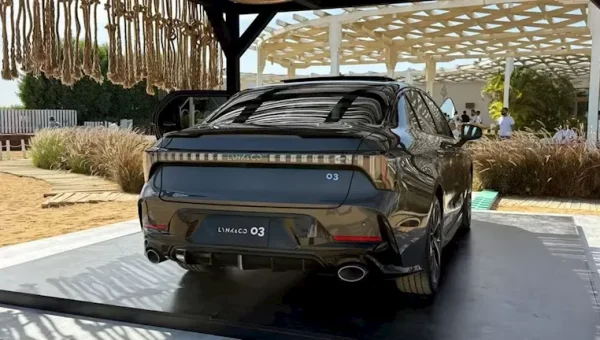
Cairo to Ain Sokhna: Link & Co 03 Track Drive Puts 181 HP to the Test
Al-Arab Group organized a Link & Co driving experience from Cairo to Ain Sokhna, with the main focus on testing the 03 sedan on a dedicated track. The car runs…
Before You Buy: 7 Warning Signs That Reveal Serious Problems in a Used Car
Before buying a used car, there are 7 warning signs you should never ignore. Thick exhaust smoke, engine noises, and vibrations during driving may indicate serious mechanical faults. fluid leaks…
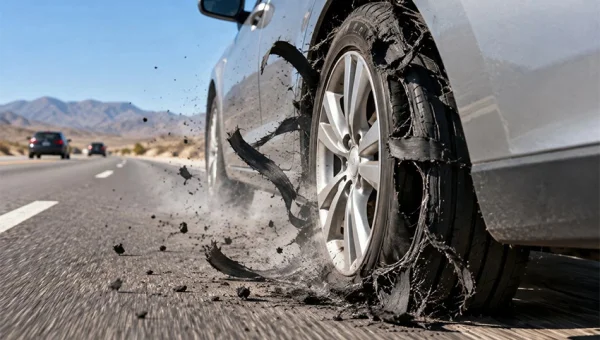
Tire Expert Warns: A Small Side Bulge or Crack Could Blow Your Tire While Driving
Emad El-Feqi, manager of a specialized tire maintenance center, warned that maintaining correct air pressure alone does not guarantee safety, as defects like sidewall cracks and bulges can appear even…