As Autumn Begins: Keep Your Car in Top Shape with These Tips
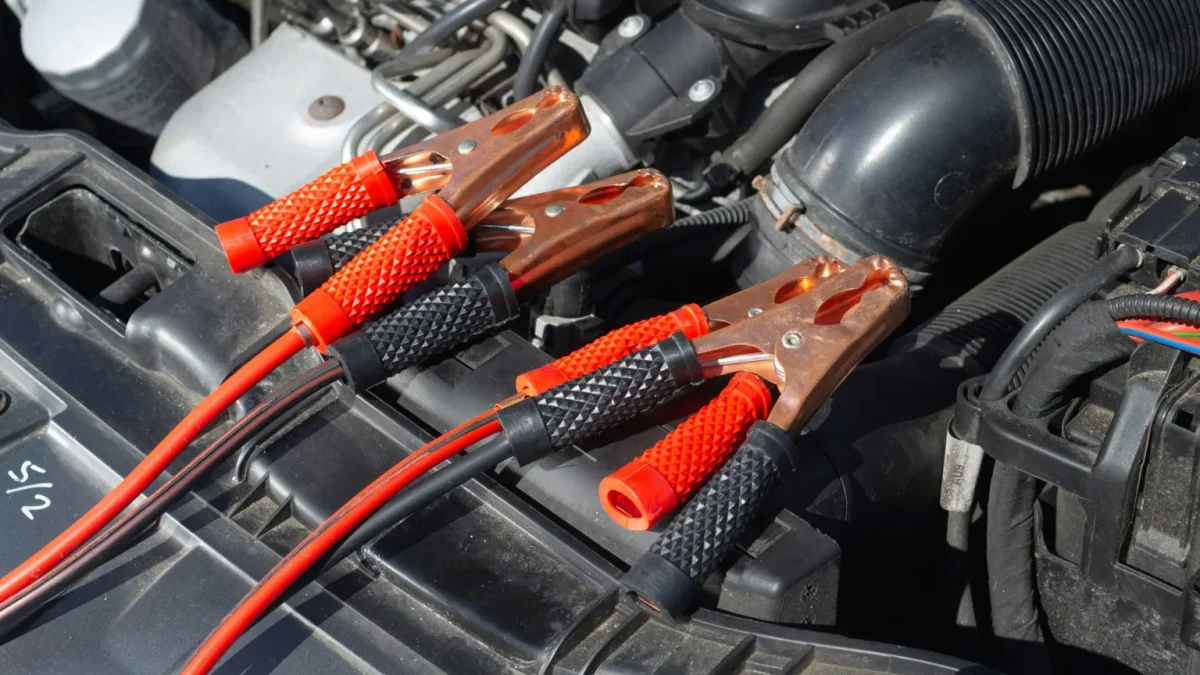
As autumn begins and temperatures drop, checking your battery and fluids becomes essential to avoid breakdowns. Batteries lose efficiency in cold weather and last between 18 months and three years. Wiper blades rarely last more than a year and need replacement. Mixing coolant types is forbidden and a specialized workshop should handle the job.
As autumn arrives and nighttime temperatures drop, checking your battery and fluids becomes essential to avoid sudden breakdowns. Dead batteries are a common problem this time of year, as cold weather significantly reduces their efficiency. Taking time to inspect vital components in your car can spare you multiple headaches down the road.
Battery: The First Weak Point in Cold Weather
Most car batteries last between a year and a half and three years. They carry a label showing their expiry date. Owners should inspect batteries for corrosion signs and note when they approach the end of their lifespan. Some electrical parts like the starter and alternator can fail, but battery neglect remains the most common cause. When the weather cools, it simply dies.
Wiper Blades and Fluids: Small Details with Big Impact
The weather is either cold and dry or hot and dry, and UV rays damage everything. Wiper blades typically don't last more than a year — they stick to the windshield in summer, then bend from lack of use. Flexible, pliable blades are best for clear visibility while driving.
Checking coolant levels is critical, and owners must avoid adding water that could freeze inside the radiator. Mixing different coolant types causes chemical reactions that lead to sediment buildup. Even multi-purpose coolant from a parts store may not blend well and won't work efficiently. A specialized workshop is the best option for handling the various coolant fluids that should never be mixed.
Clean Fluids Are a Must in Winter and Summer
In winter, when temperatures drop and you ask transmission components to suddenly start working and move on the road, you need good fluids — not used ones. This makes a big difference in summer too. Clean fluids ensure reliable performance year-round.
Regular inspection of your Toyota, Hyundai, or Nissan before autumn begins prevents unexpected failures. Preventive maintenance of the battery, fluids, and wiper blades isn't a luxury — it's an investment in your peace of mind and road safety.
Frequently Asked Questions
3 questions answered
Related News
View All News
Cut Fuel Consumption: 5 Practical Tips and 6 Mistakes to Avoid
Rising fuel consumption in your car is linked to multiple factors, from tire pressure to daily driving habits. Correct tire inflation, reducing vehicle weight, smooth driving, and sticking to scheduled…

Lynk & Co 03 Tests Dynamic Capabilities at Ain Sokhna Circuit
The Lynk & Co 03 was put through a real driving test at a racetrack in Azha Village, Ain Sokhna. The session focused on dynamic capabilities and immediate driving response.…
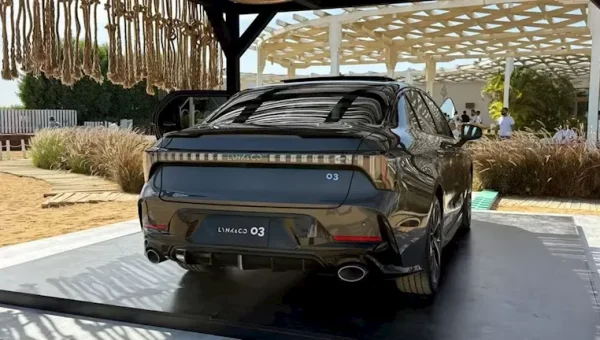
Cairo to Ain Sokhna: Link & Co 03 Track Drive Puts 181 HP to the Test
Al-Arab Group organized a Link & Co driving experience from Cairo to Ain Sokhna, with the main focus on testing the 03 sedan on a dedicated track. The car runs…

Before You Buy: 7 Warning Signs That Reveal Serious Problems in a Used Car
Before buying a used car, there are 7 warning signs you should never ignore. Thick exhaust smoke, engine noises, and vibrations during driving may indicate serious mechanical faults. fluid leaks…
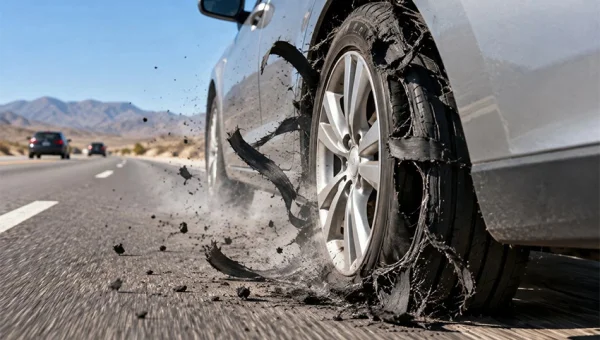
Tire Expert Warns: A Small Side Bulge or Crack Could Blow Your Tire While Driving
Emad El-Feqi, manager of a specialized tire maintenance center, warned that maintaining correct air pressure alone does not guarantee safety, as defects like sidewall cracks and bulges can appear even…