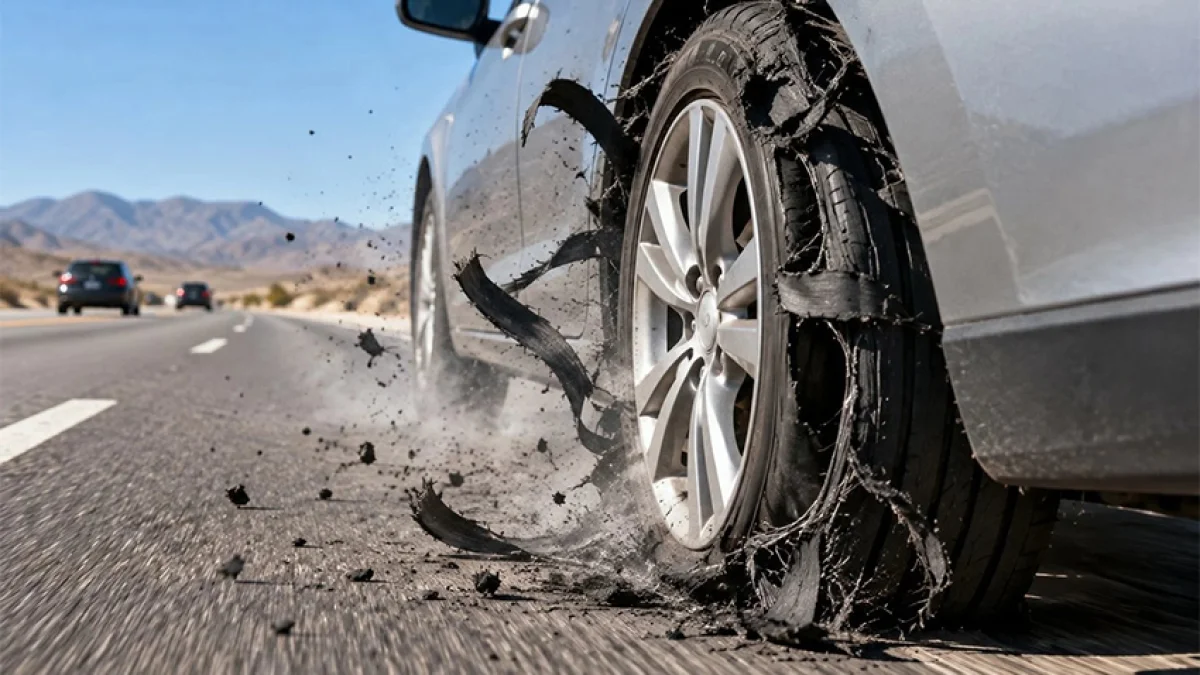
Tire Expert Warns: A Small Side Bulge or Crack Could Blow Your Tire While Driving
Emad El-Feqi, manager of a specialized tire maintenance center, warned that maintaining correct air pressure alone does not guarantee safety, as defects like sidewall cracks and bulges can appear even on new tires and develop into sudden blowouts. These hidden flaws can lead to loss of vehicle control and serious accidents. El-Feqi recommends inspecting tires at least once a week, and never exceeding two weeks, to catch problems early and extend tire lifespan.
On a highway, a tiny tire defect can turn deadly. Emad El-Feqi, manager of a specialized tire maintenance center, revealed that maintaining correct air pressure alone doesn't guarantee safety, because hidden defects only appear during a direct physical inspection. The difference between a safe trip and a horrific crash could be a small sidewall crack. The number of drivers who never check their tires until something goes wrong is staggering.
What Are the Early Warning Signs of a Tire Blowout?
Sidewall cracks and bulges, commonly known as balloons, are among the most dangerous signs that demand immediate attention. These defects can appear even on new tires and worsen over time if undetected. El-Feqi explained that ignoring these signs could lead to a sudden blowout while driving, increasing the risk of losing control and causing serious accidents. Many drivers simply don't look.
Why Is Pressure Monitoring Not Enough?
Relying only on air pressure readings gives drivers a false sense of security. El-Feqi stressed that a visual inspection can reveal defects that pressure checks alone will never show. That is why a comprehensive routine inspection, looking for cracks and bulges, not just checking the gauge, is essential. A car can drive perfectly normally while a tire is quietly preparing to fail.
How Often Should Tires Be Checked?
Weekly. That is the absolute minimum El-Feqi insists on. If that's not possible, the interval should never exceed two weeks under any circumstances. Regular tire monitoring not only extends tire life but also significantly reduces the risk of accidents linked to hidden defects. Early detection prevents a small issue from becoming a sudden hazard on the road.
The Bottom Line: A Simple Habit That Saves Lives
Tire inspection isn't a luxury or a secondary task. It's as essential as filling the fuel tank. A few minutes every week could prevent a blowout on the highway. El-Feqi confirmed that catching a problem in its early stages is the difference between a safe journey and a serious accident. Don't wait until you feel a vibration or hear a strange noise. Check your tires now.
Frequently Asked Questions
3 questions answered
Related News
View All News
Best Used Car for Beginners: Your Guide to a Smart First Purchase
Choosing the best used car for beginners comes down to several key factors: reasonable price, fuel efficiency, reliability, and parts availability. Models like the Toyota Corolla, Hyundai Accent, and Kia…

Nissan Navara 2025 Off-Road Test: Coil Spring Suspension Outperforms Rivals
The 2025 Nissan Navara underwent a punishing off-road test on a closed track in South Africa, tackling a deep mud pit and a slippery 32-degree hill. Thanks to its 2.5-liter…
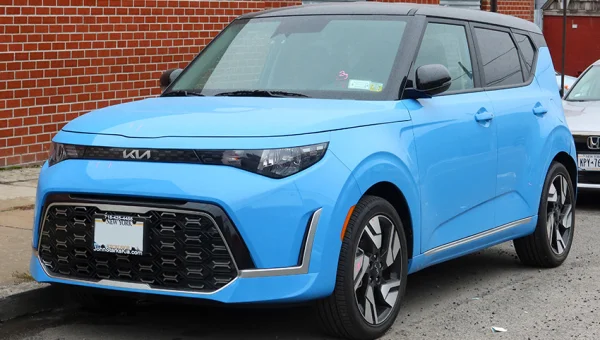
Kia Soul and Subaru Forester Top List of Easiest Cars to Get In and Out
AARP and Consumer Reports data reveals Kia Soul (2020-2025) and Subaru Forester (2019-2024) as the easiest cars to get in and out. Soul offers a boxy design and high seat,…
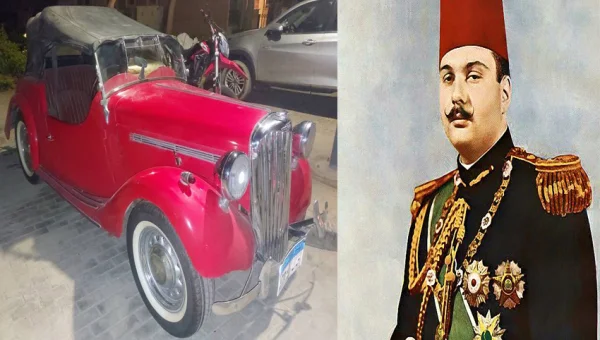
King Farouk's 1938 Singer Returns: Is This 87-Year-Old Classic Worth EGP 3 Million?
A 1938 Singer, an English classic tied to King Farouk's royal fleet, has been listed for sale in Egypt at EGP 3 million, nearly double its previous EGP 2 million…

Hyundai Venue 2027 vs Accent RB: A Sibling Rivalry in the Egyptian Market
Hyundai has launched the Venue 2027 in Egypt as a compact crossover with a 1.6-liter engine producing 123 hp and 151 Nm of torque, competing directly with its sibling, the…