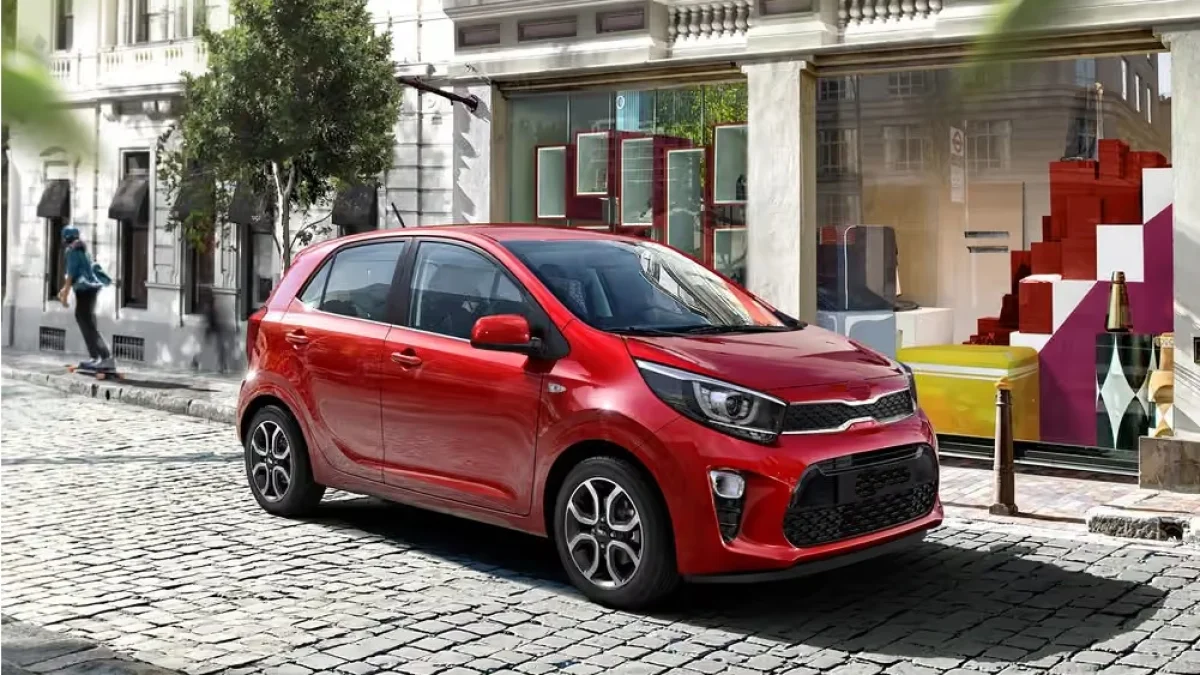
City Cars on Long Trips: The Truth May Surprise You
City cars can travel long distances despite common misconceptions. Modern compact models now offer decent comfort and stability on highways, but the real difference lies in engine power, stability, insulation, passenger and luggage space, and the car's condition before the trip. A small engine is not automatically a barrier to travel, though the power-to-weight ratio plays a key role in safe overtaking.
City cars can handle long journeys, and some deliver decent comfort and safety on highways, but the real difference emerges in engine power, stability, insulation, passenger and luggage space, and the car's condition before the trip. Recent tests of compact models reveal that today's best small cars are no longer helpless on lengthy drives as once assumed.
A 1.0L or 1.2L engine isn't a barrier to travel
Having a 1.0- or 1.2-liter engine under the hood doesn't automatically mean a Nissan Sunny or any small car is unfit for highway driving. Modern compact models use these engines and can maintain cruising speeds naturally. Problems arise when the engine is underpowered relative to the car's weight and load, forcing the driver to press hard on the accelerator during overtaking or climbing hills, especially with the A/C on and multiple passengers aboard. The key metric isn't displacement alone but the power-to-weight ratio.
Overtaking: the real test on the highway
In city traffic, drivers may hardly notice the difference between a 70 hp car and a 120 hp one, but on the open road the picture becomes clear. A car that takes too long to go from 80 to 120 km/h makes overtaking require more space and careful planning, as seen in tests of some small cars that excelled in urban settings yet struggled when passing on highways. Judging a car solely by its top speed is misleading because what matters for travel is how quickly it can add speed when needed. This is why some compact Hyundai models remain acceptable travel companions despite modest horsepower.
Stability and insulation matter as much as power
Are small cars less stable? The answer isn't absolute. Some modern compact cars offer good high-speed stability thanks to improved suspension and structural design, but sound insulation remains a weak point in many, with road and wind noise rising inside the cabin. That may not bother a driver on short trips, yet it becomes a fatigue factor on long journeys. Passenger and luggage space also remain inherently limited in city cars, a reality any traveler must consider.
Vehicle condition before the trip: the decisive factor
The car's own condition before departure plays a decisive role in the travel experience. An old or poorly maintained city car may suffer mechanical or overheating issues on highways, while a modern, well-kept one can cover hundreds of kilometers comfortably. Checking tires, oil, and coolant before setting off becomes even more critical on long drives, as these elements gain outsized importance at sustained speeds.
What does this mean for city car buyers?
City cars aren't the enemy of travel, but they aren't ideal for it either. Those planning frequent long trips may prefer a car with a stronger engine, better stability. Improved insulation, while occasional long-distance travelers can rely on their small car provided they understand its limits. In every case, traveling by small car remains possible and enjoyable when the right model is chosen and properly prepared for the journey.
Frequently Asked Questions
3 questions answered
Related News
View All News
7 Causes of Steering Wheel Vibration at High Speeds and How to Protect Your Car
Steering wheel vibration at high speeds is a common problem that starts mild and worsens over time. Causes include wheel imbalance, damaged tires, bent rims, and worn suspension and steering…
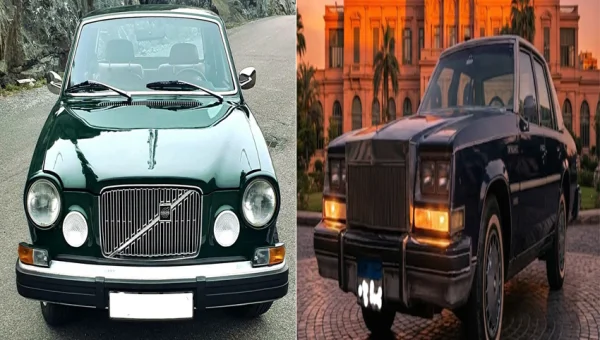
Buick LeSabre 1979 vs Volvo 164E 1973: A Classic Showdown in Egypt
The Buick LeSabre 1979 and Volvo 164E 1973 represent two distinct automotive philosophies: American power and space versus Swedish durability and safety. The Buick produces 170 horsepower from a 3.8-liter…
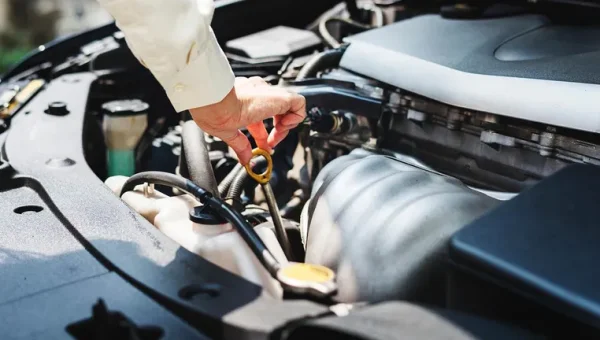
Car Startup Noises: 7 Warning Signs That Could Save Your Engine
Startup noises range from harmless to seriously alarming. Rapid clicking usually points to a weak battery or corroded terminals, while a single loud clunk suggests a starter motor or relay…
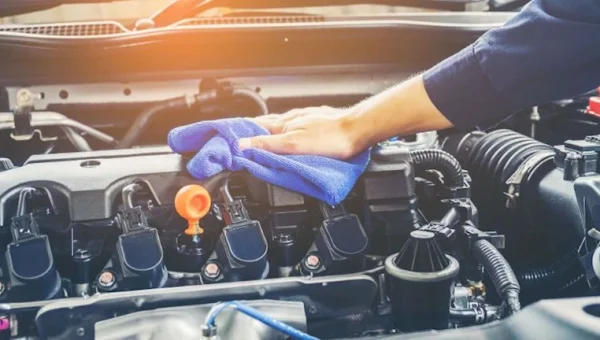
7 Daily Mistakes That Destroy Your Engine and Transmission — And Cost You Thousands
Seven common daily driving mistakes shorten engine and transmission life and lead to costly repairs. Key offenders include revving a cold engine, delaying oil changes, and shifting the automatic gearbox…

Nissan Magnite Tested for 7 Days: Does It Deserve Egyptian Buyers' Trust?
The Nissan Magnite underwent a seven-day driving test in Egypt, a compact crossover powered by a 1000cc turbo engine producing 100 hp and 152 Nm of torque. The test highlighted…