7 Causes of Steering Wheel Vibration at High Speeds and How to Protect Your Car
Steering wheel vibration at high speeds is a common problem that starts mild and worsens over time. Causes include wheel imbalance, damaged tires, bent rims, and worn suspension and steering components. The vibration becomes obvious between 80 and 120 km/h and affects control and safety. Early inspection saves drivers from costly repairs and keeps the car stable.
Steering wheel vibration at high speeds starts small and grows. The shake becomes obvious between 80 and 120 km/h, a range that exposes a mechanical fault most drivers ignore. This isn't just about comfort. Control on highways drops, and safety goes with it. The causes range from tires and wheels to suspension and steering components.
Tires and Wheels: The Usual Suspects Behind Steering Wheel Vibration
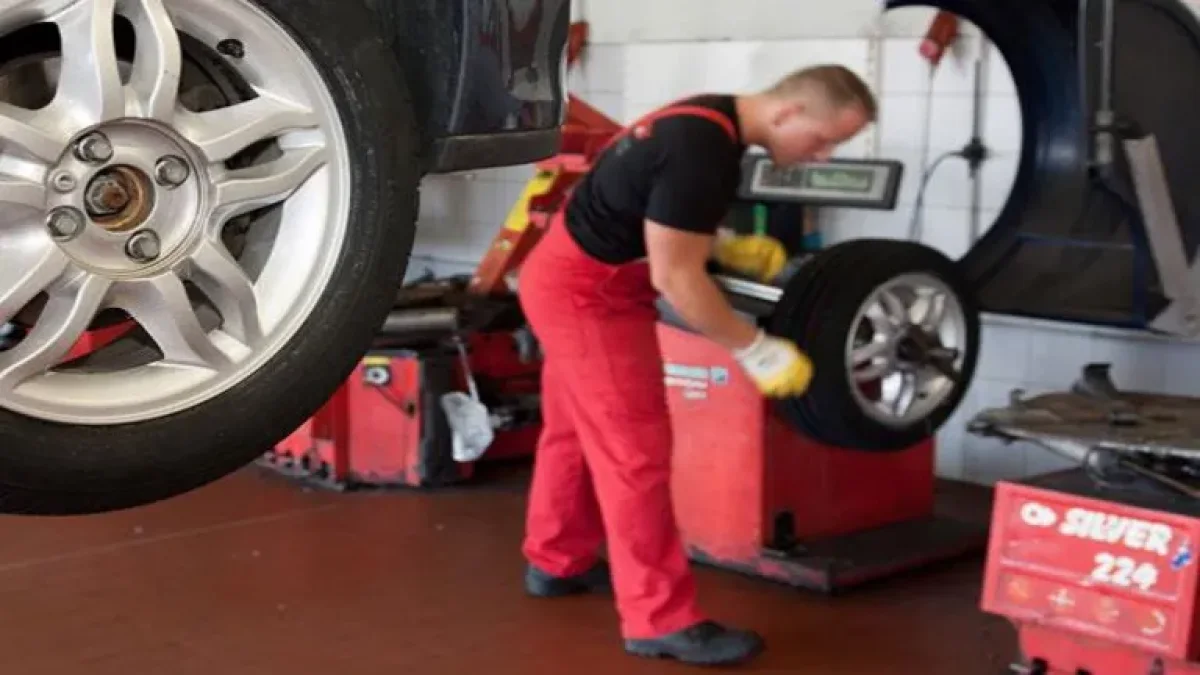
Wheel imbalance is the most common cause. Uneven weight distribution around the tire sends vibrations straight to the steering wheel. Damaged or irregularly worn tires do the same. Bulges or deformations on the tire surface affect wheel balance and overall vehicle stability. Regular inspection and replacement of worn tires aren't optional.
Bent wheels are another serious cause. Impacts from potholes or curbs twist the rim, causing irregular rotation and vibration that worsens as speed climbs. The problem is that drivers often notice a bent rim only after the vibration becomes obvious at high speeds. A visual check during tire rotation catches it earlier.
Suspension and Steering: The Hidden Fault
The suspension system includes shock absorbers, control arms. Bushings — parts that absorb impacts and keep the car stable. Failure in any of them produces vibration while driving, especially on uneven roads. The impact goes beyond vibration to reduced stability and response. The steering system, meanwhile, includes tie rod ends and steering arms that directly affect how the wheels respond to steering input. Wear or damage makes the car harder to control.
Ignoring repeated vibrations opens the door to bigger problems. More parts wear out, safety margins shrink, and repair costs climb over time. Early inspection of any steering wheel shake saves drivers money. No mechanical expertise is needed. The moment a vibration appears at a steady speed, check tires and wheels first, then suspension and steering.
Frequently Asked Questions
3 questions answered
Related News
View All News
Buick LeSabre 1979 vs Volvo 164E 1973: A Classic Showdown in Egypt
The Buick LeSabre 1979 and Volvo 164E 1973 represent two distinct automotive philosophies: American power and space versus Swedish durability and safety. The Buick produces 170 horsepower from a 3.8-liter…
Car Startup Noises: 7 Warning Signs That Could Save Your Engine
Startup noises range from harmless to seriously alarming. Rapid clicking usually points to a weak battery or corroded terminals, while a single loud clunk suggests a starter motor or relay…

7 Daily Mistakes That Destroy Your Engine and Transmission — And Cost You Thousands
Seven common daily driving mistakes shorten engine and transmission life and lead to costly repairs. Key offenders include revving a cold engine, delaying oil changes, and shifting the automatic gearbox…

Nissan Magnite Tested for 7 Days: Does It Deserve Egyptian Buyers' Trust?
The Nissan Magnite underwent a seven-day driving test in Egypt, a compact crossover powered by a 1000cc turbo engine producing 100 hp and 152 Nm of torque. The test highlighted…
Nissan Magnite Tested: Did Critics Unfairly Judge the Three-Cylinder Engine?
The locally assembled Nissan Magnite in Egypt underwent a seven-day driving test across various roads. The car uses a 1000cc three-cylinder turbo engine paired with an X-Tronic CVT gearbox. Testing…