7 Daily Mistakes That Destroy Your Engine and Transmission — And Cost You Thousands
Seven common daily driving mistakes shorten engine and transmission life and lead to costly repairs. Key offenders include revving a cold engine, delaying oil changes, and shifting the automatic gearbox before a full stop. Correct driving habits and scheduled maintenance protect mechanical components and save significant money.
Seven common driving mistakes are silently eating away at your engine and transmission — and the repair bills that follow are anything but small. Most of these habits feel harmless at first. Repeat them daily, though, and a healthy car turns into a mechanical headache, especially with parts prices climbing in the Egyptian market.
Revving a Cold Engine: The Number One Offender
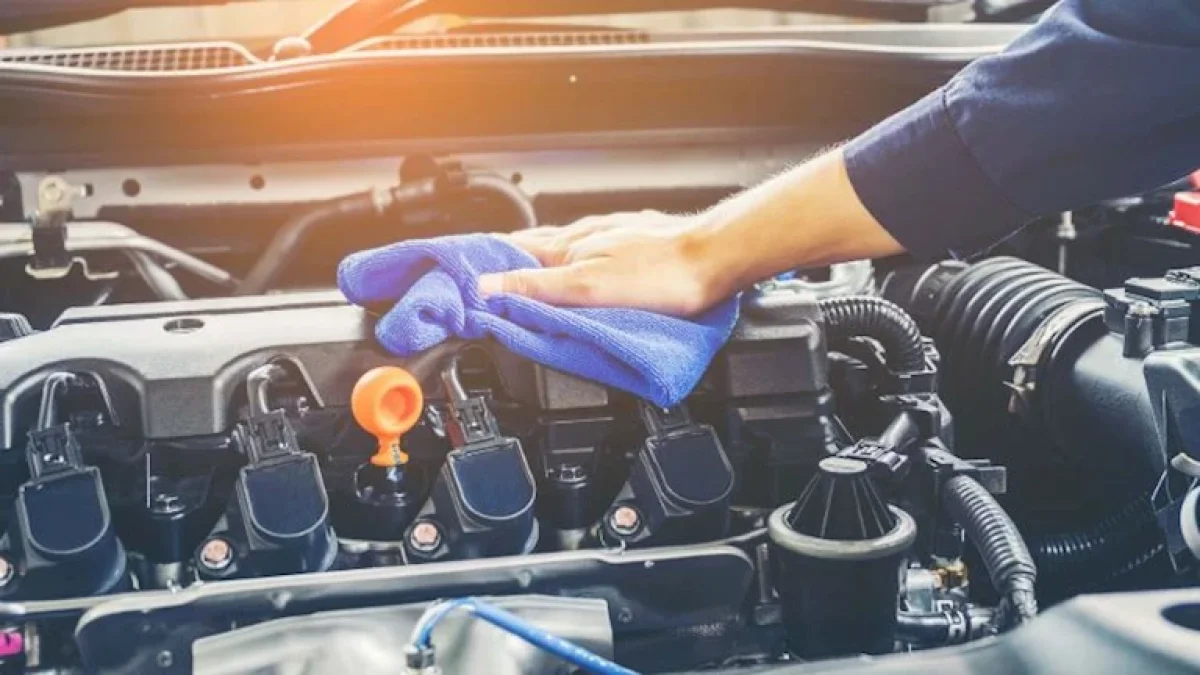
Starting the car and immediately accelerating hard or pressing the throttle firmly is a costly reflex. The engine needs those first minutes to circulate oil to every internal passage and reduce friction. Move gently and avoid heavy loads early on. This single habit can spare you complex internal damage on modern car engines.
Delaying Oil Changes: Small Savings, Huge Losses
Engine oil is your first line of defense against wear, heat, and sludge. Pushing past the recommended interval accelerates internal wear. Sticking to the manufacturer's service schedule is non-negotiable — and so is using the correct oil type and viscosity. Many Kia and Nissan owners ignore this exact point until knocking and smoke appear.
Automatic Gearbox Errors: Shifting Before Stopping
Moving the gear lever from D to R before the car has fully stopped puts unnecessary stress on automatic transmission components. A complete stop before selecting a new direction is a basic rule. Avoiding this habit extends gearbox life and delays the overhaul or replacement cost that can easily run into tens of thousands of pounds.
Selecting P Before Stopping: A Lock Mechanism Killer
Some drivers engage Park before the car comes to a full halt. That practice loads the transmission's locking mechanism beyond its design limits. The right sequence is a complete stop, foot on the brake, then shift to P. A small habit — but its impact on a Corolla or any automatic car is obvious over time.
Scheduled maintenance alone won't save you. How you start, drive, and handle the transmission determines whether your car lasts for years or lands in the workshop early. Watch the warning lights, never ignore a change in vehicle behavior. You'll save a fortune down the road.
Frequently Asked Questions
3 questions answered
Related News
View All News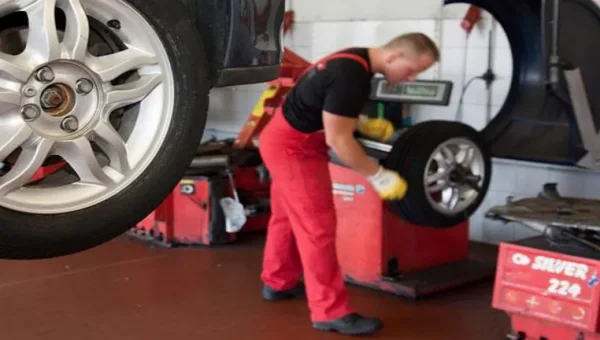
7 Causes of Steering Wheel Vibration at High Speeds and How to Protect Your Car
Steering wheel vibration at high speeds is a common problem that starts mild and worsens over time. Causes include wheel imbalance, damaged tires, bent rims, and worn suspension and steering…
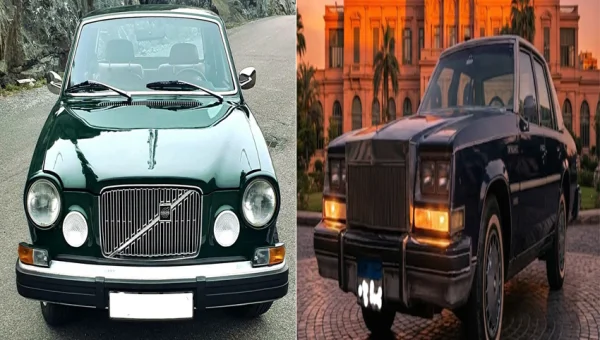
Buick LeSabre 1979 vs Volvo 164E 1973: A Classic Showdown in Egypt
The Buick LeSabre 1979 and Volvo 164E 1973 represent two distinct automotive philosophies: American power and space versus Swedish durability and safety. The Buick produces 170 horsepower from a 3.8-liter…
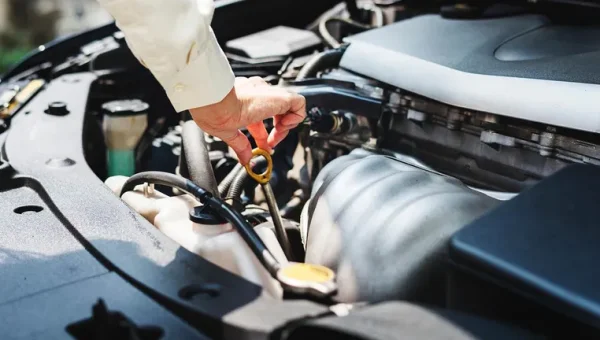
Car Startup Noises: 7 Warning Signs That Could Save Your Engine
Startup noises range from harmless to seriously alarming. Rapid clicking usually points to a weak battery or corroded terminals, while a single loud clunk suggests a starter motor or relay…
Nissan Magnite Tested for 7 Days: Does It Deserve Egyptian Buyers' Trust?
The Nissan Magnite underwent a seven-day driving test in Egypt, a compact crossover powered by a 1000cc turbo engine producing 100 hp and 152 Nm of torque. The test highlighted…
Nissan Magnite Tested: Did Critics Unfairly Judge the Three-Cylinder Engine?
The locally assembled Nissan Magnite in Egypt underwent a seven-day driving test across various roads. The car uses a 1000cc three-cylinder turbo engine paired with an X-Tronic CVT gearbox. Testing…