Car Startup Noises: 7 Warning Signs That Could Save Your Engine
Startup noises range from harmless to seriously alarming. Rapid clicking usually points to a weak battery or corroded terminals, while a single loud clunk suggests a starter motor or relay fault. Early inspection of the battery and starting circuit prevents escalation and saves hundreds in repair costs.
A rapid clicking sound when you turn the key is more than an annoyance. That repetitive noise you hear while cranking the engine often points to a weak battery that can no longer deliver enough current to spin the starter motor — a problem that gets worse as winter drains older batteries. Ignoring it costs money. Every time.
Why Does Your Car Make Noise at Startup?
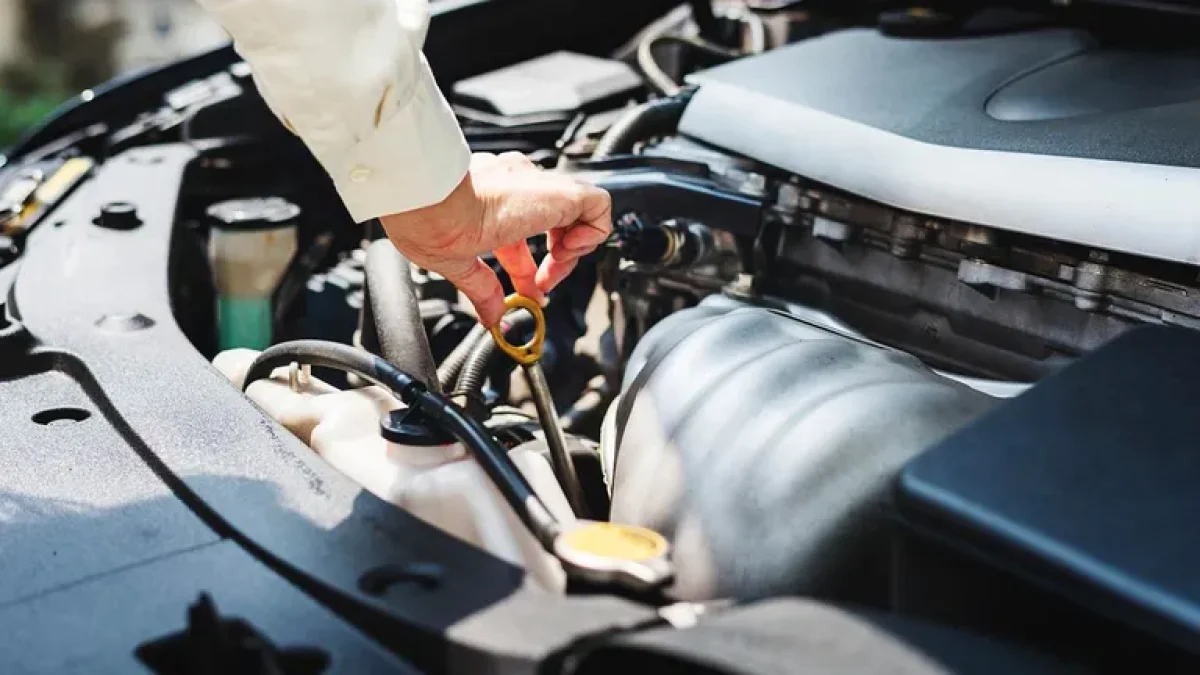
Noises that erupt the moment you crank the engine vary widely in origin. Some are perfectly normal and harmless, but others carry clear warnings of imminent failures in the battery, the starter motor, or the drive belts — and some can signal internal engine damage. Catching these sounds early gives drivers a golden window to avoid expensive repairs, because early diagnosis is always cheaper than rebuilding an engine. On Egypt's roads, where stop-start traffic and temperature swings hammer the electrical system, listening matters more than most drivers realize.
Small sounds ignored today become mechanical disasters tomorrow. That is the reality service centers see every week.
Rapid Clicking: The Battery Takes the Blame
Rapid, repeated clicking during a startup attempt is one of the most common complaints in repair shops. The sound comes from a battery that's too weak to feed the starter, or from loose or corroded battery terminals and wiring. The driver hears click-click-click... but the engine never turns over. In this case, test the battery voltage and inspect the connections, especially if the clicking comes with dim headlights or repeated hard-starting episodes. A five-minute voltage check beats a tow truck bill.
One Loud Clunk: The Starter Under Scrutiny
If you hear a single, solid clunk when you turn the key and the engine refuses to crank, the suspect is the starter motor or its electrical relay. Faulty wiring in the starting circuit or a weak battery can produce the same symptom, so a full inspection of the battery, starter, and starting circuit is the only way to pinpoint the fault — particularly if the clunk repeats with every attempt or the car goes completely silent. Diagnosis first. Parts second.
When Should You Stop Driving Immediately?
Not all startup noises carry equal danger. A click or a single clunk may still let you limp to a nearby workshop. But knocking, grinding, or metallic screeching from the engine bay demands an immediate shutdown. Continuing to drive with abnormal noises compounds the damage and multiplies the repair bill. Paying attention to these small details is what separates a driver who protects their car from one who pays for it later.
Frequently Asked Questions
3 questions answered
Related News
View All News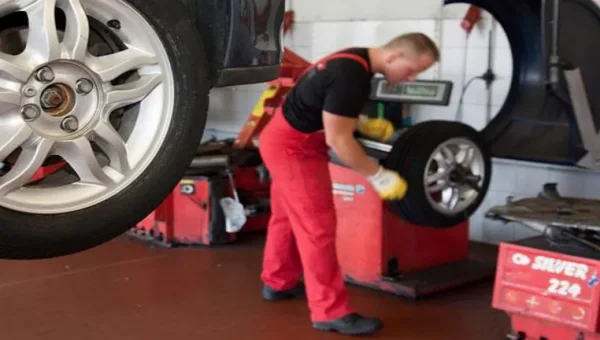
7 Causes of Steering Wheel Vibration at High Speeds and How to Protect Your Car
Steering wheel vibration at high speeds is a common problem that starts mild and worsens over time. Causes include wheel imbalance, damaged tires, bent rims, and worn suspension and steering…
Buick LeSabre 1979 vs Volvo 164E 1973: A Classic Showdown in Egypt
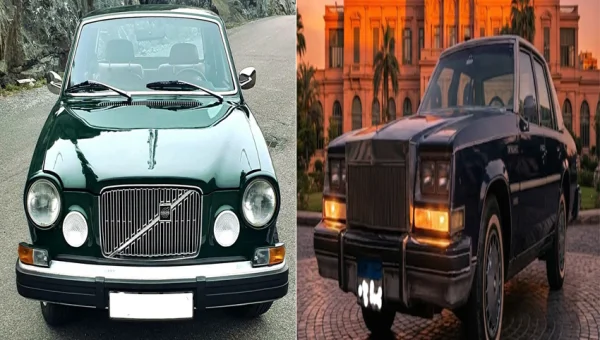
The Buick LeSabre 1979 and Volvo 164E 1973 represent two distinct automotive philosophies: American power and space versus Swedish durability and safety. The Buick produces 170 horsepower from a 3.8-liter…
7 Daily Mistakes That Destroy Your Engine and Transmission — And Cost You Thousands
Seven common daily driving mistakes shorten engine and transmission life and lead to costly repairs. Key offenders include revving a cold engine, delaying oil changes, and shifting the automatic gearbox…
Nissan Magnite Tested for 7 Days: Does It Deserve Egyptian Buyers' Trust?
The Nissan Magnite underwent a seven-day driving test in Egypt, a compact crossover powered by a 1000cc turbo engine producing 100 hp and 152 Nm of torque. The test highlighted…
Nissan Magnite Tested: Did Critics Unfairly Judge the Three-Cylinder Engine?
The locally assembled Nissan Magnite in Egypt underwent a seven-day driving test across various roads. The car uses a 1000cc three-cylinder turbo engine paired with an X-Tronic CVT gearbox. Testing…