
Motion Sickness in Electric Cars: Why It Happens and How to Avoid It
As electric vehicles become increasingly common on roads worldwide, a growing number of passengers are reporting unusual feelings of nausea or dizziness during trips, even those who never suffered from motion sickness in conventional cars. Experts attribute this phenomenon to the fundamental differences in driving dynamics and vehicle response between electric cars and internal combustion engine vehicles. They emphasize that this sensation does not indicate a mechanical fault but is rather a natural physiological response of the brain to a new style of acceleration and braking.
Instant Acceleration Confuses the Nervous System
Electric vehicles deliver full torque instantly upon pressing the accelerator pedal, resulting in immediate yet smooth but powerful propulsion. This sensation is markedly different from the gradual acceleration that passengers are accustomed to in traditional gasoline cars. Specialists believe this sudden change can disrupt the vestibular system in the inner ear, which is responsible for balance, especially during a passenger's first few rides in an electric car. The brain struggles to adapt to this new movement pattern, leading to a mismatch between visual signals and physical sensations.
The Role of Regenerative Braking in Discomfort
Most electric vehicles utilize a regenerative braking system that automatically slows the car down as soon as the driver lifts their foot off the accelerator, recovering energy to recharge the battery. While this technology significantly improves energy efficiency, the frequent deceleration, particularly during stop-and-go city driving, can exacerbate feelings of nausea among passengers. This repeated pattern of sudden slowing and acceleration presents an additional challenge for the nervous system, which is not accustomed to such a dynamic driving style.
Silent Operation Tricks the Senses
In conventional cars, engine noise plays a crucial role in helping passengers anticipate moments of acceleration or deceleration, creating a sensory harmony between what the ears hear and what the body feels. In electric vehicles, the near-silent operation means that changes in motion occur without clear auditory cues, creating a conflict between visual input (the scenery passing by the window) and the body's kinesthetic sense. This is a classic trigger for motion sickness, as the brain's ability to build accurate predictions about the car's movements is compromised.
Practical Tips to Minimize Discomfort
Experts recommend several simple measures to reduce the likelihood of motion sickness inside electric vehicles. These include using a calm or Eco driving mode to soften acceleration response, and reducing the intensity of regenerative braking if the vehicle allows such adjustment. It is also advisable to sit in the front seats rather than the back, and to focus on the road ahead instead of using a smartphone or reading. Additionally, opening windows or activating the ventilation system improves cabin air quality, while avoiding heavy meals before travel can also help prevent nausea.
Adaptation Over Time
Specialists confirm that most passengers gradually adapt to the driving characteristics of electric vehicles after several trips, as the brain learns to predict and accommodate the new acceleration and deceleration patterns. Studies indicate that this phenomenon is temporary and typically diminishes with regular use, meaning the riding experience in electric cars becomes more comfortable over time. As this technology continues to evolve, manufacturers are actively working on refining suspension systems and acceleration control to provide an even smoother ride suitable for all occupants.
Related News
View All NewsLand Rover Officially Enters Egypt's Electric Vehicle Market
Land Rover has announced its official entry into Egypt's electric vehicle market with the fully electric Range Rover. The vehicle features dual motors producing over 500 horsepower and a range…

Opel Bets on LFP Batteries to Cut EV Prices and Counter Chinese Competition
Opel CEO Florian Huettl announced the company will expand its use of lithium iron phosphate (LFP) batteries to reduce electric vehicle prices. The move comes amid pressure on the European…

Dongfeng Electric SUV Heads to Egypt: 480 km Range and Local Assembly
Dongfeng is preparing to launch a fully electric SUV in Egypt with a range of 480 kilometers. The vehicle is being assembled locally in partnership with El Nasr Automotive Manufacturing…
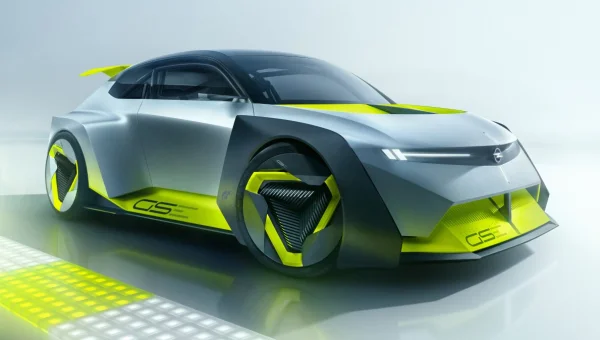
Opel CEO: 800V Tech Is Ready in Our New Platforms, But Applying It to Every Car Raises Prices
Opel CEO Florian Huettl stated that the company's new STLA platform can technically support 800-volt charging, but rolling it out across all models would increase costs and prices. He noted…
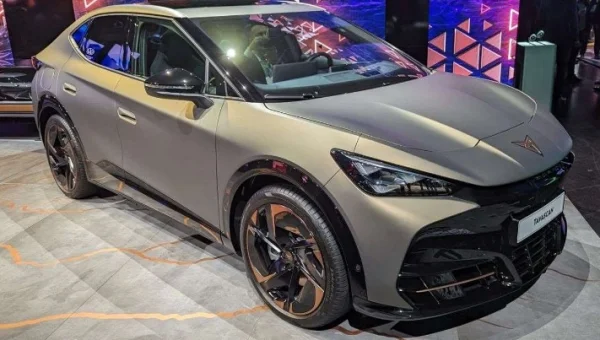
CUPRA Tavascan EV Launches Officially in Egypt as CUPRA Sales Surpass 8,000 Units
Kayan Egypt, CUPRA's exclusive distributor in Egypt, has officially launched the CUPRA Tavascan, the brand's first fully electric coupe SUV in the local market. CUPRA's cumulative sales in Egypt have…