Opel Bets on LFP Batteries to Cut EV Prices and Counter Chinese Competition
Opel CEO Florian Huettl announced the company will expand its use of lithium iron phosphate (LFP) batteries to reduce electric vehicle prices. The move comes amid pressure on the European industry to counter Chinese competition. Huettl confirmed Opel will select battery technology based on each model's requirements, while continuing high-energy-density batteries for larger models. The strategy aims to deliver affordable EVs without compromising performance.
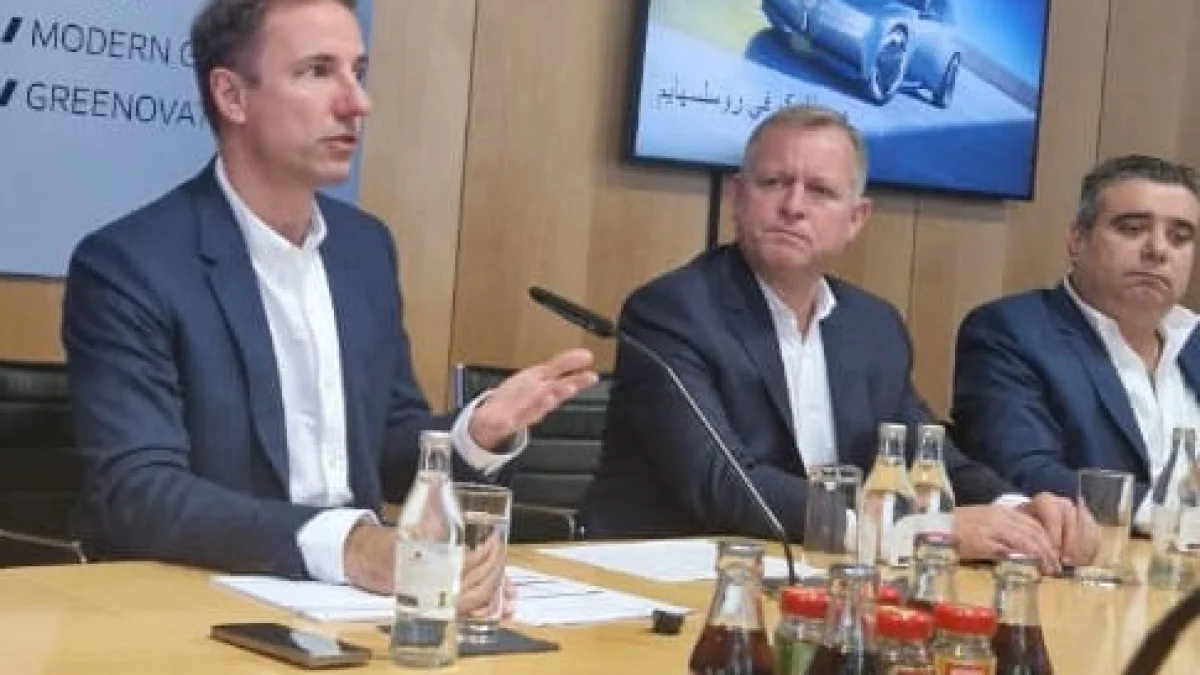
Opel CEO Florian Huettl has confirmed the company will expand its use of lithium iron phosphate (LFP) batteries as part of plans to develop more affordable electric vehicles. The announcement came during a press conference at the 2026 Paris International Motor Show, attended by Egyptian journalists on a media trip organized by Stellantis Al Mansour Automotive. The move aims to reduce EV costs amid fierce competition from Chinese manufacturers.
What Makes LFP Batteries Central to Opel's Strategy?
LFP batteries are cheaper than higher-energy-density alternatives, making them suitable for vehicles targeting lower price segments. Lower energy density remains a technical challenge, Huettl noted. But it doesn't prevent efficient use in cars that don't require extremely high driving range. This cost-performance balance is the core of Opel's new approach.
Huettl stressed that Opel will select battery technology based on each model's requirements, rather than using the same type across all vehicles. The company will continue relying on high-energy-density batteries for larger models aimed at customers wanting long distances per charge. This segmentation allows for multiple options tailored to different needs.
European Market Pressures and Chinese Rivalry
The strategy comes as the European automotive industry faces pressure to reduce EV costs, with ongoing competition from Chinese companies that have made significant progress in battery technology. Huettl explained that offering affordable EVs requires precise engineering and economic decisions balancing performance, cost, and customer needs. The European market is searching for practical solutions to counter the Chinese advance.
LFP batteries aren't new to the auto industry, but their expanded use reflects a shift in European priorities toward cost reduction. Opel wants to lead this shift. Will it succeed? The competition won't be easy.
Frequently Asked Questions
3 questions answered
Related News
View All News
Dongfeng Electric SUV Heads to Egypt: 480 km Range and Local Assembly
Dongfeng is preparing to launch a fully electric SUV in Egypt with a range of 480 kilometers. The vehicle is being assembled locally in partnership with El Nasr Automotive Manufacturing…
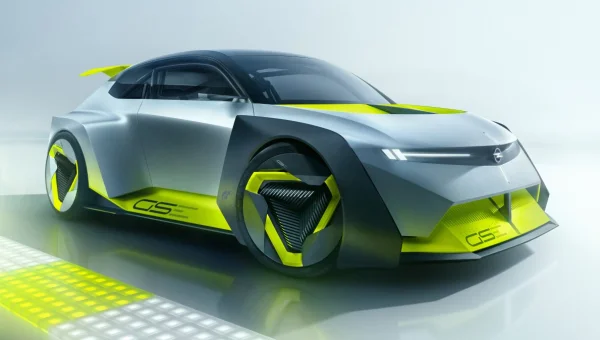
Opel CEO: 800V Tech Is Ready in Our New Platforms, But Applying It to Every Car Raises Prices
Opel CEO Florian Huettl stated that the company's new STLA platform can technically support 800-volt charging, but rolling it out across all models would increase costs and prices. He noted…
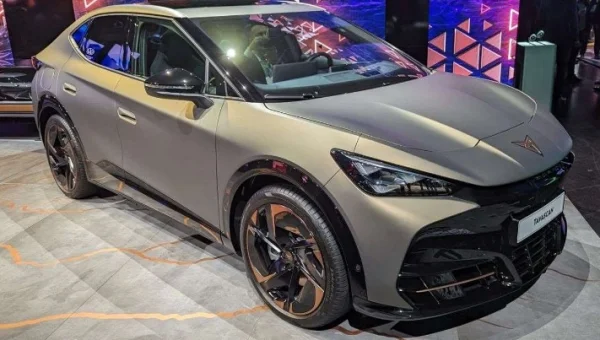
CUPRA Tavascan EV Launches Officially in Egypt as CUPRA Sales Surpass 8,000 Units
Kayan Egypt, CUPRA's exclusive distributor in Egypt, has officially launched the CUPRA Tavascan, the brand's first fully electric coupe SUV in the local market. CUPRA's cumulative sales in Egypt have…
Tesla Roadster Flies, Drives Upside Down, and Accelerates in One Second: The Supercar's Wild Capabilities Revealed
Tesla revealed the next-generation Roadster in a demo at SpaceX's Texas facility, where the car drove upside down and flew through the air. The system uses air suction generating force…
If Your Car Is Hybrid, Avoid This Oil Mistake That Could Damage Your Engine
Hybrid cars require specially designed engine oil because the gasoline engine stops and restarts repeatedly during driving. Hybrid-specific oils feature low viscosity, fast flow, and full synthetic formulations that maintain…