Not Just Electricity: Hisham El-Zeiny Offers 3 Hybrid Alternatives for Car Buyers
Hisham El-Zeiny says the future of cars is not limited to choosing between petrol and fully electric vehicles, with intermediate technologies gaining wider adoption. These include conventional hybrids, plug-in hybrids, and REEV systems that rely primarily on an electric motor with a combustion engine generating power. These solutions represent a critical transitional phase for Egyptian consumers who want electrification benefits without fully abandoning petrol.
Hisham El-Zeiny, editor-in-chief of Ahram Auto, says the future of cars isn't limited to choosing between petrol and fully electric vehicles, pointing to intermediate technologies gaining ground among mainstream consumers. The numbers speak. The global and local markets are expanding with hybrid, plug-in hybrid, and REEV options from brands like BYD — technologies that give buyers more flexibility by combining combustion engines with electric power to varying degrees.
Conventional Hybrid vs. Full Electric: What's the Difference?
Conventional hybrids run a petrol engine alongside an electric system — the simplest and most affordable option of the three. Plug-in hybrids allow external battery charging while keeping the combustion engine, giving drivers extended range without range anxiety. The logical question: which one suits Cairo? The answer depends on daily driving patterns and charging availability. Both options are on the market, but Toyota and Hyundai lead this segment with hybrid versions of the Corolla and Elantra.
REEV Technology: The Middle Ground Waiting for Its Moment
On Egypt's long intercity highways, REEV technology may be the best fit. The concept is simple: the electric motor does the driving, while a petrol engine acts as a generator to extend range without needing an external charger. That means drivers get the smoothness of electric driving without worrying about a dead battery mid-trip. It's a smart transitional step for anyone wanting the EV experience but unwilling to let go of the petrol station entirely. The number is striking — vehicles using this system are growing, especially from Chinese brands like BYD.
Why Is the Egyptian Buyer Hesitating?
The challenges are clear. Charging infrastructure in Egypt remains limited outside major cities, and fast-charging stations aren't available everywhere. Consumers want the benefits of electric driving — fuel savings and lower maintenance — but remain wary of relying entirely on an EV. This is where the three alternatives El-Zeiny outlined become critical, blending the strengths of both technologies. The choice is no longer petrol or electric — there is a wide middle ground worth exploring. That middle ground may well be the best fit for the Egyptian market in the coming years. Toyota and BYD hybrid pricing has become more competitive against full EVs.
What Does This Mean for the Market's Future?
Hybrids, plug-in hybrids, and REEVs represent a necessary transitional phase. They aren't the final answer, but they give consumers time to adapt to the electric shift. El-Zeiny believes these solutions can serve as an important bridge for buyers who want the advantages of electrification but still fear going fully electric amid charging challenges. The Egyptian market will absorb these technologies gradually. The sales figures will reveal which one takes hold first. The game is far from over.
Frequently Asked Questions
3 questions answered
Related News
View All News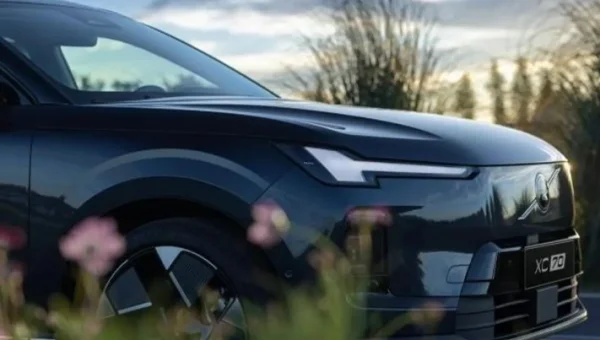
Volvo Launches Longer-Range Hybrid XC60 and XC90 for US and European Markets
Volvo has announced upgraded hybrid versions of the XC60 and XC90 with extended electric range for European and American markets. The new XC60 offers 200 km on a single charge,…
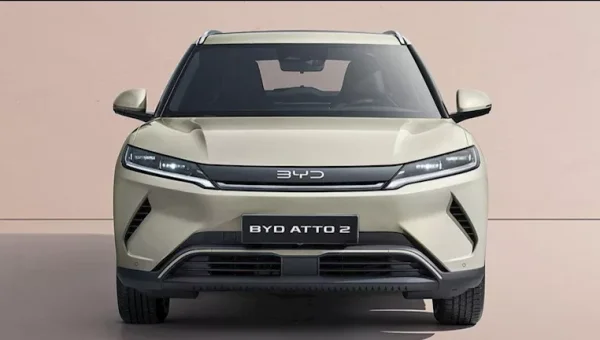
BYD Atto 2 Electric SUV Makes Egyptian Debut on September 18
BYD is set to officially launch the Atto 2 electric SUV in Egypt on September 18, 2026, through local distributor Man Dream. The compact SUV measures 4,310 mm long with…
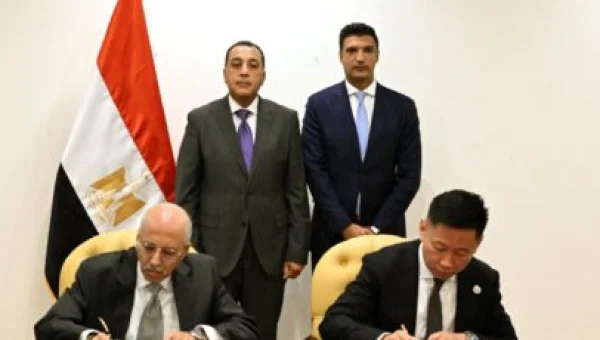
CATL Signs Deal to Build Egypt's First Major EV Battery Plant with EGP 2 Billion Investment
CATL has signed a contract to build an electric vehicle battery plant in Egypt through BME, a company founded by MCV and Auto D. Phase one carries an estimated EGP…
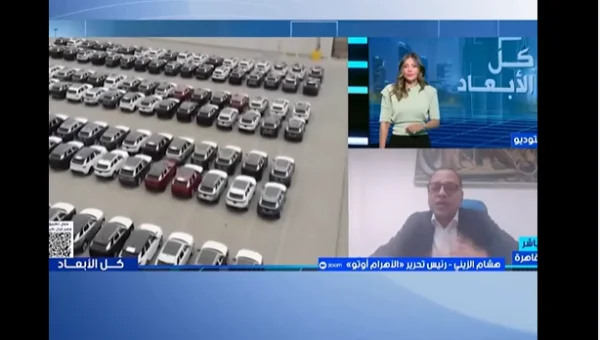
Expert: Charging from Home Meter May Cancel Out EV Savings
Hesham El-Ziny, editor-in-chief of Ahram Auto, warned that charging an electric vehicle from a standard home meter may cancel out expected savings on running costs. He explained the ideal scenario…
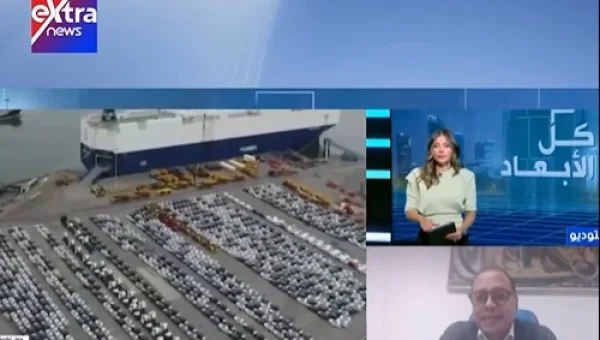
Before Buying an EV: Expert Says Garage and Home Charger May Decide Your Purchase
Hisham El-Ziny, editor-in-chief of Ahram Auto Portal, advised potential EV buyers not to base their decision solely on price or running costs. Speaking on "Kol El Abaad" on Extra News,…