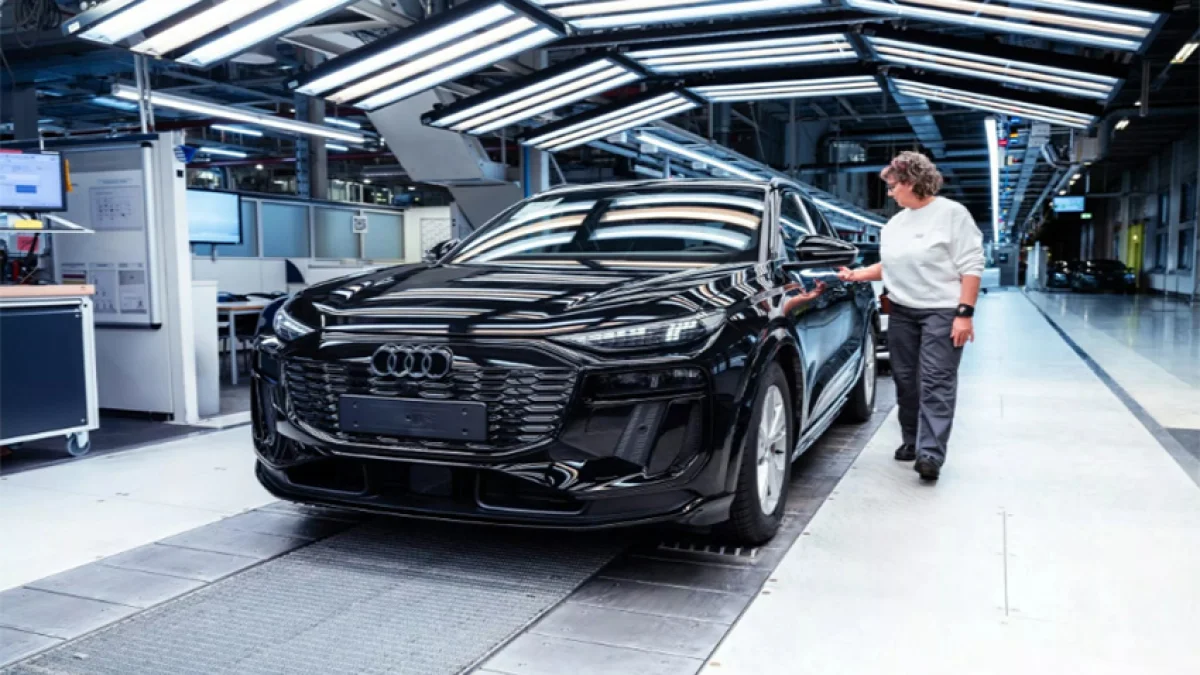
Half of Germany's EV Subsidies Go to Households Earning Under €45,000 Annually
Recent German government data reveals that nearly half of the approvals under the new electric vehicle subsidy program go to low-income households. As of July 10, households with a taxable annual income not exceeding €45,000 accounted for 48% of all approved applications, according to an unpublished government response to a parliamentary inquiry by Left Party MP Juria Buss, as reported by German news agency dpa.
Details of the Government EV Subsidy Program
The German government program offers financial support for purchasing or leasing fully electric vehicles and certain plug-in hybrid models, provided the vehicle is first registered after January 1, 2026. The subsidy amount depends on the vehicle type, annual income, and number of family members, and can reach up to €6,000. As of the mentioned date, a total of 17,226 applications had been approved, reflecting initial uptake of the new scheme.
Social Grading of Subsidies and Its Impact
Buss, the Left Party's transport policy expert, said: "The initial figures show that the social grading of the subsidy is at least partially achieving its goal, with nearly half of approvals going to the lowest income bracket. However, the fundamental problem remains: many low-income earners still cannot afford to buy a new car even with government support." He stressed that by 2027 at the latest, the program must be expanded to include affordable used cars, adding, "Otherwise, the shift to electric mobility will remain financially out of reach for many, despite the social grading of the subsidy."
The basic subsidy from the German government stands at €3,000 for fully electric vehicles. Households with an annual income up to €60,000 receive €4,000, while those earning up to €45,000 get €5,000. The subsidy increases by €500 per child, up to a maximum of €1,000. Recipients must keep the vehicle for at least three years from the purchase date. Households exceeding €80,000 in annual income are not eligible for the subsidy, highlighting the program's focus on less affluent groups.
Related News
View All News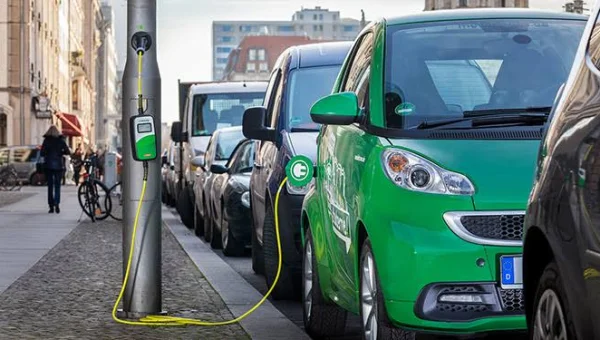
As Gas Prices Climb, Are Electric Vehicles Really the Better Choice?
Rising gasoline prices worldwide have reignited the debate over whether switching to electric vehicles is worthwhile, but the data shows interest does not always convert into sales. Around 57% of…
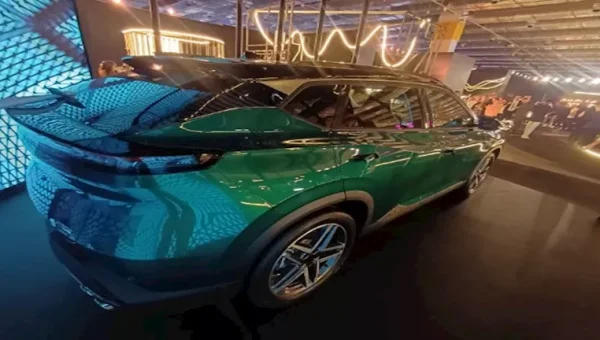
Dongfeng Mage EV Set to Launch from El Nasr Plants with 480 km Range
SN Automotive is preparing to launch the Dongfeng Mage EV, assembled locally at El Nasr Automotive's plants in Helwan. The compact SUV uses a front-mounted 161 hp motor and a…
Land Rover Officially Enters Egypt's Electric Vehicle Market
Land Rover has announced its official entry into Egypt's electric vehicle market with the fully electric Range Rover. The vehicle features dual motors producing over 500 horsepower and a range…
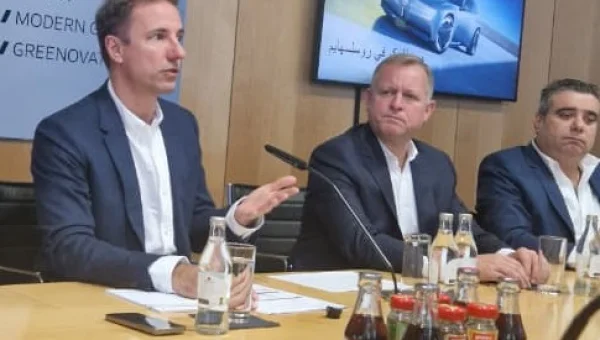
Opel Bets on LFP Batteries to Cut EV Prices and Counter Chinese Competition
Opel CEO Florian Huettl announced the company will expand its use of lithium iron phosphate (LFP) batteries to reduce electric vehicle prices. The move comes amid pressure on the European…

Dongfeng Electric SUV Heads to Egypt: 480 km Range and Local Assembly
Dongfeng is preparing to launch a fully electric SUV in Egypt with a range of 480 kilometers. The vehicle is being assembled locally in partnership with El Nasr Automotive Manufacturing…